
Zenless Zone Zero’s second year is where the game finally finds its footing. It builds on the strengths of year one while confidently experimenting with new ideas across its story, combat, and overall player experience. Not every addition lands — a few mechanics and story threads miss — but the willingness to keep evolving, plus outstanding presentation and consistently satisfying gameplay, makes this one of the strongest live-service action RPGs you can play right now.
Quick context if you’re new: ZZZ is a fast-paced action gacha RPG where you play as the legendary Proxy Phaethon, the siblings Wise and Belle. You guide teams of Agents through dangerous Hollows in real-time combat built around dodges, parries, assists, and powerful team combos, then spend the rest of your time recruiting Agents, building teams, pushing through endgame modes, and seasonal events while uncovering the mysteries of New Eridu.










Looking Back at Year Two
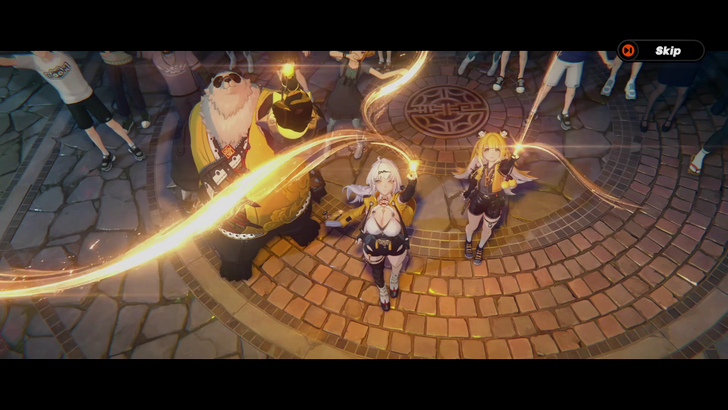
After a year of constant updates, it’s easy to judge ZZZ one patch at a time. A controversial mechanic here, a great story chapter there, a new Agent that reshapes the meta. Taken individually, those moments rarely answer the bigger question: has ZZZ actually become a better game than it was a year ago?
Now, with Version 3.0 arriving before the second anniversary, enough time has passed to answer that. Not every experiment paid off — some mechanics proved more frustrating than exciting, and a few story threads never delivered on their early promise — but taken together, the second year reveals a game that’s steadily improved in ways single updates don’t always capture.
A Bigger World With Better Storytelling
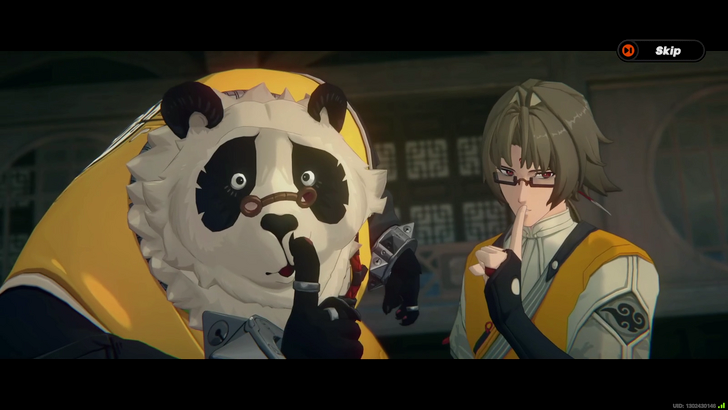
Season 2 is a major turning point for the narrative. The Waifei Peninsula dramatically expands the world beyond the districts of New Eridu, and it pushes Wise and Belle’s journey into far more consequential territory, peeling back the mysteries around their abilities, Miss Carole, and the forces operating behind the scenes.
Spoiler warning: this section discusses major story developments from the Waifei Peninsula, plus the opening chapter of Version 3.0. Skip ahead to the last image of this section if you’d rather experience it firsthand.
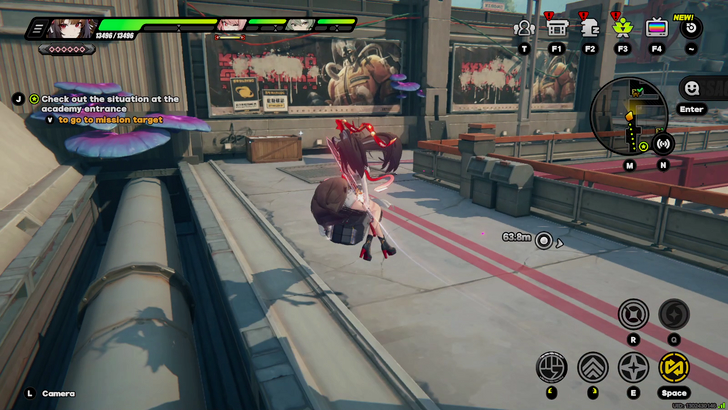
The biggest change isn’t the peninsula itself, it’s how the game tells its story now. Moving away from TV Mode wasn’t just swapping one mechanic for another — it meant moving away from a defining part of the Proxy experience. Investigation Zones don’t replace that identity outright, but they create far more chances for exploration, combat, and character interaction to flow together, giving the story a much stronger sense of momentum.
That comes with a tradeoff. Because Investigation Zones stick around across multiple updates, you naturally get familiar with the Hollows you revisit. Story-wise it makes perfect sense — Phaethon’s reputation is built on navigating Hollows others can’t crack, and mastering those routes is part of what makes Wise and Belle exceptional Proxies. As a player, though, repeatedly retracing familiar ground slowly replaces the tension of exploring the unknown with the comfort of a commute. The Hollows never stop being dangerous, but that familiarity softens the sense of venturing into one of New Eridu’s greatest unknowns.
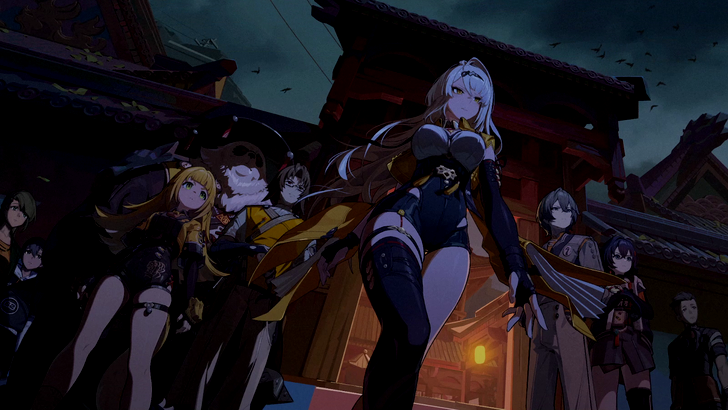
Season 2 also gives the twins a real direction. Year one spent most of its time chasing scattered clues with few answers. Armed with the lead left by Mayor Mayflower, the Waifei Peninsula finally gives them something tangible to pursue. Under Yixuan’s guidance, they start learning to harness abilities that previously surfaced only in rare, unexplained moments, and their search for Miss Carole gains real traction. The season begins connecting mysteries that have been building since launch, which makes it feel like Wise and Belle are finally making progress toward the truth behind their own past and the larger forces shaping New Eridu.
That momentum makes one weakness harder to ignore. The Exaltists start as one of the season’s most intriguing ideas, then gradually become the explanation behind one conspiracy after another. It ties the peninsula together at first, but eventually many of its mysteries feel less like discoveries and more like waiting for the next Exaltist reveal. By the time Sarah’s story concludes and the organization fades from the narrative, they’ve served more as a convenient storytelling device than the formidable long-term threat they seemed destined to become.
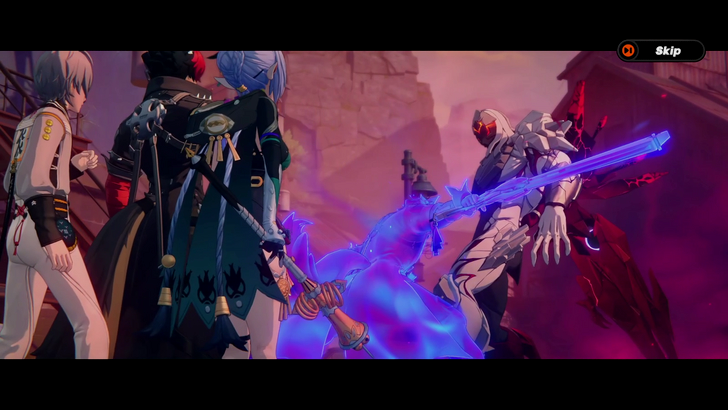
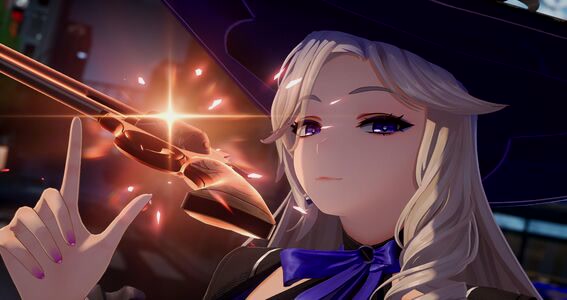
Yixuan, face of Version 2.0 and one of the setting’s most influential figures, never quite reaches the potential her introduction suggests. Her quieter moments with Wise and Belle do a wonderful job establishing her as a mentor, and it’s clear she trusts them deeply. The story keeps pulling her attention elsewhere, though, so many of her most important relationships and personal struggles seem to unfold just beyond your reach. Whether she’s answering the responsibilities of being Grandmaster or facing something personal like Yijiang, I kept wishing those moments carried a stronger emotional presence instead of simply moving the plot forward.
Thankfully that isn’t representative of Season 2 as a whole. It consistently shines when it slows down for smaller, personal stories: Seed’s journey toward accepting the loss of her adoptive father, Lucia finally finding closure with the father she lost to the Hollows, and Ye Shunguang’s fading memories each explore grief from a different angle. The game is often at its best when it focuses on the people living through its world rather than the mysteries around them. That carries into character arcs too — Cissia debuts in Version 2.6, goes playable in 2.7, and keeps developing into 2.8 instead of ending the moment her banner arrives, so her bond with Wise and Belle grows across multiple updates rather than one patch.
Enter Roscaelifer
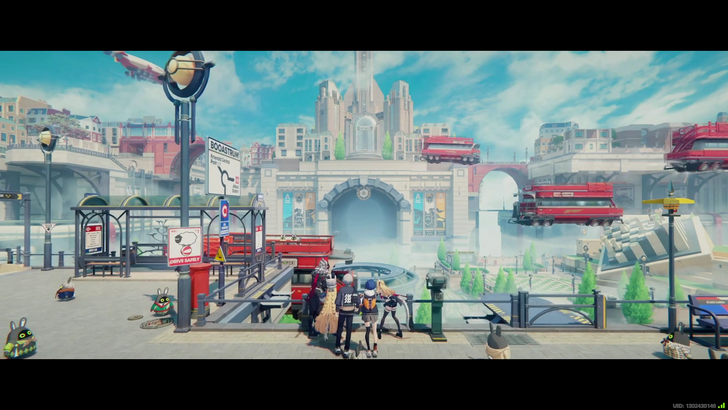
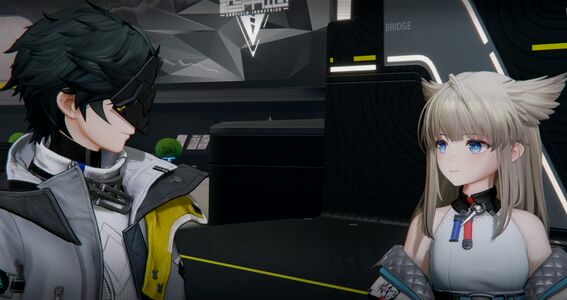
Roscaelifer could easily have felt disconnected from everything before it. Waifei Peninsula had already stretched the game far beyond New Eridu’s streets, and another leap into unfamiliar territory risked pushing the story away from the identity it spent a year redefining. Instead the transition never feels jarring. Familiar faces keep traveling with Wise and Belle, unresolved threads carry over, and the story gives you time to settle into Roscaelifer before its bigger conflicts unfold. The result feels like a genuine expansion of the world rather than a fresh start.
That slower introduction is one of my favorite parts. Rather than rushing to show off the next mystery or tossing you into another crisis, the city introduces itself through its Bangboo residents, its daily routines, and the people who live there. Those quiet moments also let Wise and Belle just breathe. Despite everything, they’re still looking ahead with cautious optimism as they begin their treatment, and those smaller interactions make the opening feel grounded before the pressure ramps up. By the time the larger conflicts take shape, Roscaelifer already feels like somewhere you’ve settled in.
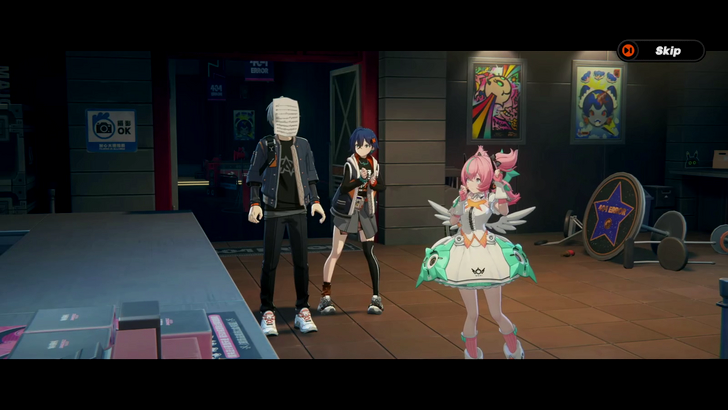
Looking back, ZZZ has grown well beyond the streets of New Eridu, yet its best stories remain the most personal ones. Not every mystery gets the slow burn I wanted, and a few plot threads move faster than I’d like, but Roscaelifer’s opening leaves me optimistic that the game keeps building on its strongest material.
Combat Continues to Raise the Bar
If there’s one area where year two confidently builds on its foundation, it’s combat. The game doesn’t reinvent the system — it keeps expanding it with new mechanics, increasingly distinctive Agent kits, and bosses that ask more than whether you can react to a flash on screen.
One of the biggest additions is Rupture, an Agent Specialty built around Sheer Force, an HP-scaling damage type that ignores enemy DEF. Rather than adding another flavor of the Attack role, most Rupture Agents spend HP to unleash stronger attacks and then recover it through their own abilities, which creates a satisfying risk-and-reward playstyle. Yixuan plays a little differently, leaning on her Adrenaline Gauge instead, but as a whole Rupture feels like a genuinely creative expansion of the combat sandbox rather than a new label for damage.
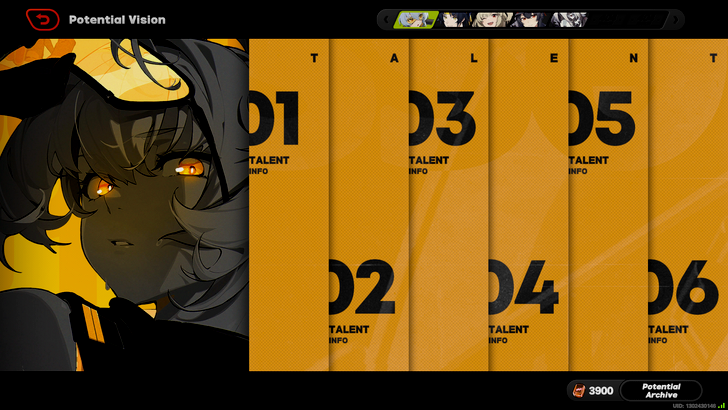
That philosophy carries through the whole Season 2 roster. Yidhari’s deliberate hammer swings, Banyue’s fighting game-inspired combo strings, Aria’s aggressive ground-pound playstyle, and the growing emphasis on Aftershock teams through Agents like Orphie, Yuzuha, and Ju Fufu each push you toward different ways of approaching fights instead of just chasing bigger numbers.
Potential Vision revisits older Agents instead of adding shiny new mechanics. Burnice, Grace, and Soldier 11 all get meaningful additions that fit Season 2’s evolving design — Burnice, for example, grows beyond her role as a Disorder enabler with a new follow-up attack that rewards rotating her back onto the field, letting her contribute real burst damage through Abloom instead of just inflating her numbers. That’s an uncommon move for action gachas, where older characters usually get revived through new teammates or gear rather than direct kit additions. It’s the kind of long-term support I want more of, especially in a game where people spend months or years on their favorite characters.
Season 2’s bosses are just as impressive. Some ask you to manipulate the battlefield before you can open an attack; others hide from view and have to be tracked down. The game even experiments with enemies that remove the familiar assist flash entirely, so you have to learn attack animations and trust your own timing instead of waiting for a prompt.
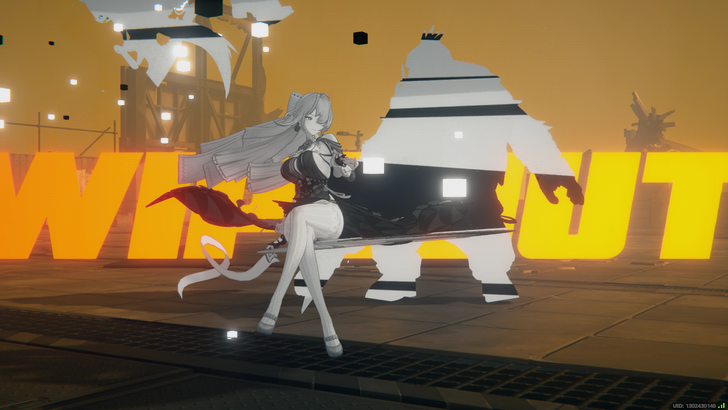
Not everything lands, though. Miasmic Shields are interesting on paper: you create openings through Dodge Counters, Defensive Assists, and Ultimates, then deal massive Purification Damage. In score-driven modes like Shiyu Defense and Deadly Assault, I found them considerably less fun. Every mistimed parry or whiffed Ultimate wasn’t just a mistake — it was progress lost toward breaking the shield. Instead of feeling engaged, I felt like I was trying to earn the right to start dealing meaningful damage again. Version 3.0 keeps the experimentation going with Wind through Velina, adding another layer to Anomaly teams. Even when some additions miss, year two never stopped giving you new ways to fight.
Style That Still Stands Out
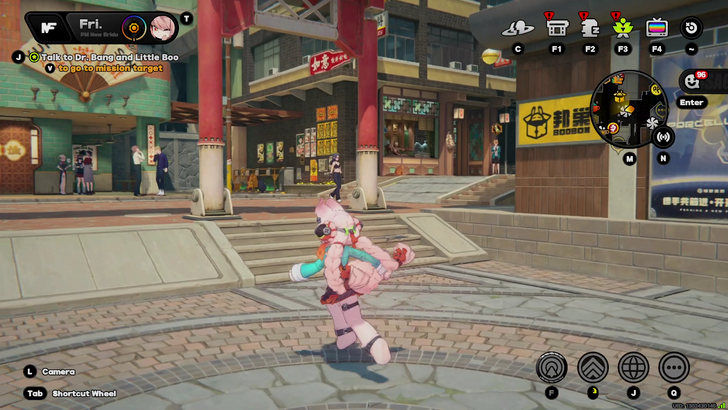
ZZZ has always had one of the strongest audiovisual identities among modern gacha games, and year two only reinforces that. Waifei Peninsula gives the art team more room to play: each Investigation Zone carries its own atmosphere, with abandoned streets, ruined architecture, and Hollow distortions telling stories before a line of dialogue is spoken. There’s a surprising sense of order to the chaos, so every environment feels intentionally crafted.
My only real nitpick is a handful of designs. Yixuan, Yidhari, and Lucia keep distinct silhouettes but share enough visual sensibility that they don’t stand apart from each other as much as earlier additions. It hardly hurts the overall presentation, but I’d have liked more variety among the season’s headline characters.
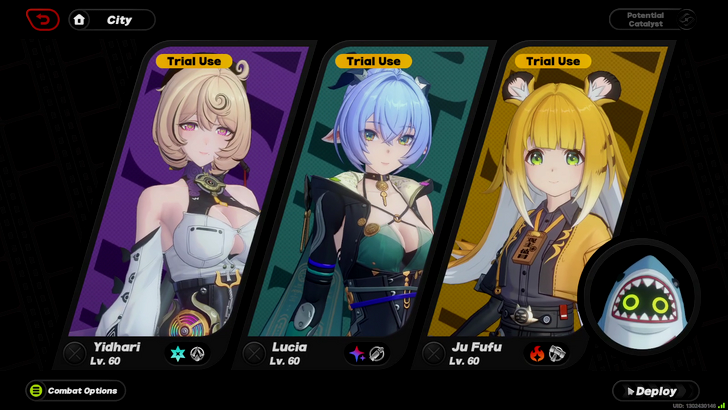
Combat stays just as satisfying to watch. Every new Agent brings its own animation style, and flashy effects overlap without obscuring the action. Whether it’s an Ultimate, a perfectly timed Defensive Assist, or a boss unleashing something elaborate, fights keep striking that balance between stylish spectacle and readable gameplay the game is known for. The soundtrack deserves equal praise — I can’t think of a single track that felt out of place, whether exploring Waifei Peninsula or facing a standout boss. Strong voice performances and punchy sound effects give every hit, parry, and explosion real weight. Together, presentation is one of the game’s biggest strengths.
Experimenting With the Endgame
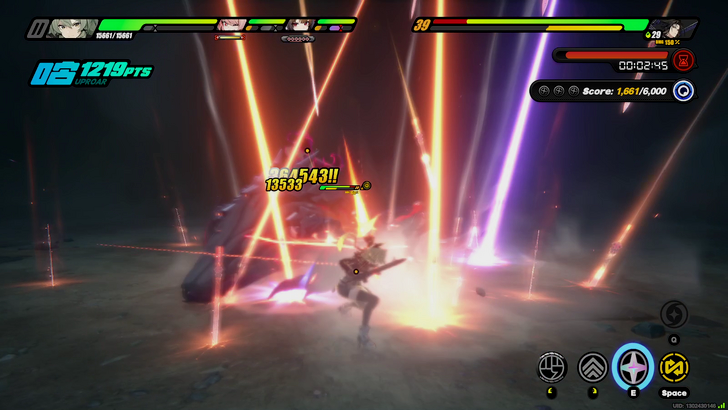
One thing I came to appreciate was the willingness to experiment with endgame content. Deadly Assault quickly became one of my favorite additions: another mode to test your rosters that doesn’t demand perfect scores just to earn the cycle’s Polychromes. It’s built for players with three well-built teams, so newer players will take longer to get value from it, but it fills that role well.
The same willingness shows in the mechanics behind those modes. Rupture was a genuinely interesting new Specialty, and Miasmic Shields struck me as a good idea on paper — instead of brute-forcing encounters, they rewarded understanding boss mechanics and knowing when to capitalize on openings. Where things got shakier was how those mechanics mixed with score-driven content. I kept holding Ultimates and Defensive Assists for shields instead of using them naturally, knowing a mistimed one cost valuable progress. It demanded cleaner play, sure, and I could always retry, but frustration often outweighed satisfaction.
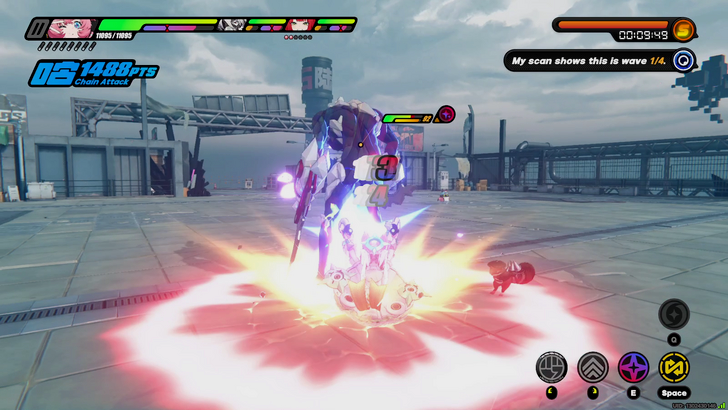
I found a similar issue in the attempts to rein in Miyabi. Ice Resistance already pushed players toward other team compositions, which made Freeze immunity feel like an unnecessary extra step. Layering both restrictions together sometimes read as an overcorrection rather than a natural incentive to diversify. Still, that’s my biggest takeaway from year two’s endgame: most updates made me rethink my teams instead of relying on the same solutions forever, which is healthier for the game even when some nudges felt heavy-handed.
A Better Game Between Updates
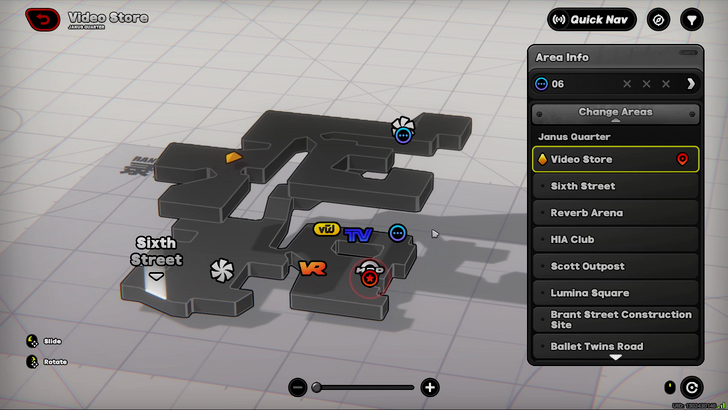
Not every improvement came from story chapters or combat systems. Some of the most noticeable changes simply made playing ZZZ more convenient: better navigation, cleaner interfaces, and an improved world map that made getting around Waifei Peninsula far less cumbersome, especially since the region is much larger than Sixth Street and Lumina Square.
Social features kept improving too, with additions like Outposts and the Intel Board. They don’t replace dedicated community spaces, but they make the game feel less solitary. I checked in for the extra rewards and chatted now and then — small interactions that made the community feel more present during the daily grind without eating much of my time.
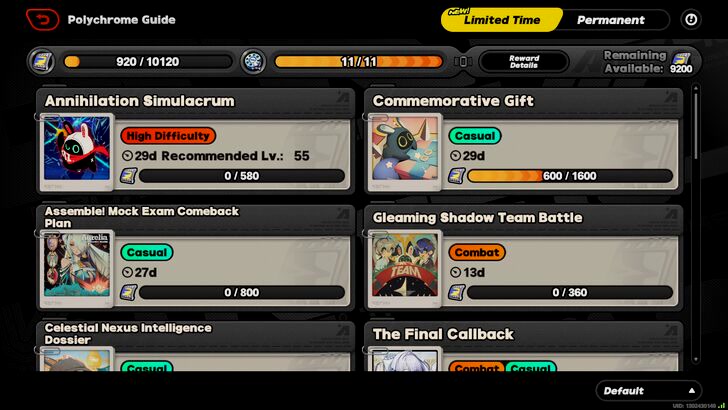
My favorite addition, though, was the Polychrome Guide from the end of the season. Seeing exactly how many Polychromes a patch offered, neatly categorized by origin, made planning future pulls far more straightforward. It’s a small feature that quietly removes a ton of guesswork from saving for upcoming Agents. None of these changes are flashy on their own, but together they make ZZZ feel noticeably smoother than it did a year ago.
Is Zenless Zone Zero Worth It?
A game that keeps getting better
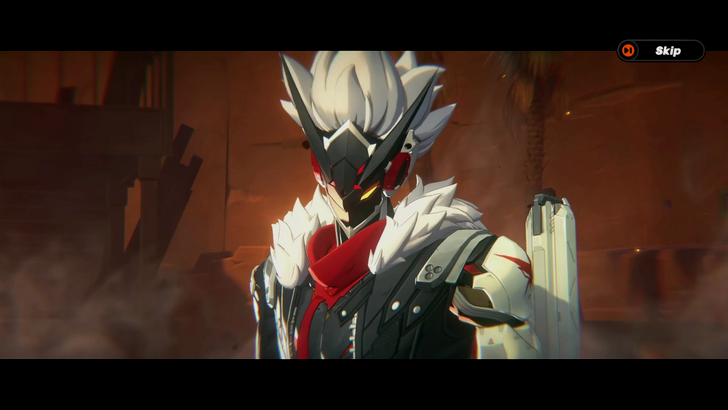
Year two marks the point where ZZZ grows beyond the foundation of its first. The Waifei Peninsula broadens the world past the familiar streets of New Eridu and pushes Wise and Belle closer to the truth behind Helios Academy, combat keeps evolving with creative new mechanics and Agent designs, and a steady stream of quality-of-life work makes the game easier to enjoy every day.
That doesn’t mean every experiment sticks. Some storylines wanted a slower burn, and parts of the endgame leaned too hard into steering you toward specific answers. But ZZZ rarely settles for simply repeating what already worked, and more often than not, those risks pay off.
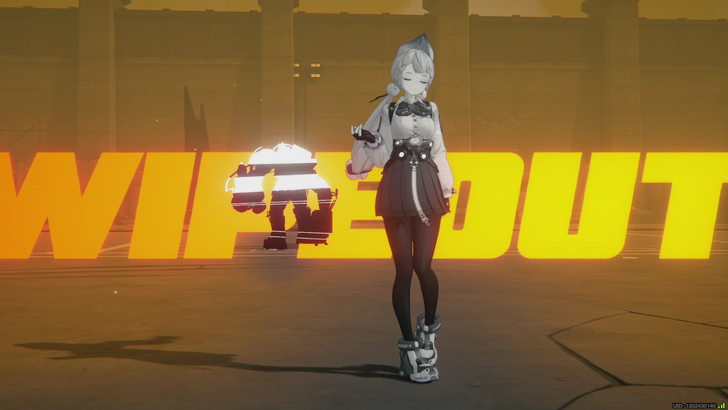
What impressed me most was how confidently the game kept building on itself. Looking back, it’s easy to see how those individual changes shaped something far more cohesive than what we had a year ago, with Version 3.0 carrying that momentum forward. If Season 1 introduced ZZZ, Season 2 is when it truly found its footing. It stumbled now and then, but it always kept moving, and those steps mostly pointed in the right direction. There’s still room to improve, but I have little hesitation recommending ZZZ to anyone looking for one of the strongest live-service action RPGs available today.
How to catch up as a new player
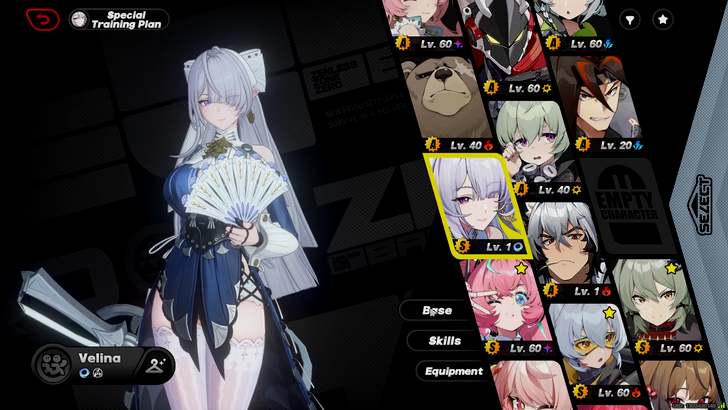
Starting a two-year-old live-service game can feel intimidating. Dozens of limited Agents, multiple endgame modes, and a long story make it easy to think you’ve already fallen behind. ZZZ actually handles new players well, though. Between story rewards, events, and permanent content, you’ll earn plenty of Polychromes while building a roster that can clear the campaign and work toward the endgame.
Your biggest priority is simply pushing through the story. It unlocks new systems and activities while paying out Polychromes, upgrade materials, and resources that strengthen your roster. Rerolling is technically possible but generally not worth the effort — reaching the gacha takes a while, and the game already gives you enough to build a capable roster naturally. Several Standard S-Rank Agents have also received Potential Vision upgrades, so even some early pulls become worthwhile long-term investments.
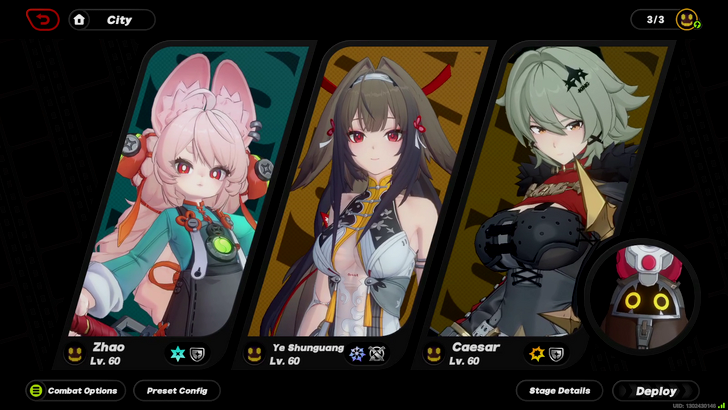
When you spend, build one complete team before branching out. A single well-built squad carries you through the story, while spreading resources thin only slows you down. Prioritize Agent levels, W-Engines, and Core Skills first, save serious Drive Disc farming for later, and grab Mini Cargo Trucks and HIA Coins whenever you spot them — those extra resources add up faster than you’d expect. From there it’s mostly about consistency: as your Inter-Knot Level rises and your roster grows, stronger teams, better gear, and tougher content all unlock naturally. It takes time before you’re ready for every endgame mode, but the journey feels much less overwhelming than a two-year lifespan suggests.
Guides by category

















The Bottom Line
ZZZ’s second year is the point where the game stops coasting on its launch and starts compounding its wins. The Waifei Peninsula broadens the world, the story pushes Wise and Belle toward real answers, combat keeps growing in interesting directions, and the quality-of-life work quietly makes every session smoother. It stumbled along the way, but those stumbles rarely stopped it moving forward, and Version 3.0 only reinforces the momentum.

Zenless Zone Zero delivers a great experience with a score of 88/100.