
Twenty-seven years on, The Legend of Zelda: Ocarina of Time still shows up on “greatest game ever made” lists, and not out of nostalgia alone. Released for the Nintendo 64 in 1998, it handed 3D adventure games their rulebook: a lock-on camera, a world that bent around songs and time, and a sense of scale console players had never touched. This review revisits the original N64 release on its own terms, then points you to the version worth playing today.
Key Takeaways
- Ocarina of Time shipped for the Nintendo 64 in 1998 under producer Shigeru Miyamoto and director Eiji Aonuma, selling roughly 7.6 million copies worldwide.
- Its Z-targeting (lock-on) system became the template for 3D action and adventure games across every publisher.
- Aggregators rate it the best-reviewed game in history: Metacritic 99/100 from 22 reviews, plus perfect scores from IGN, GameSpot, Edge, EGM, and Famitsu.
- The 2026 Switch 2 remake (IGN 9/10; Breath-of-the-Wild-style controls, 60fps, re-recorded score) is now the definitive way to play, with the 2011 3DS remake and the N64 original on Switch Online as strong alternatives.
- Our verdict: a 99/100 timeless classic that every modern open-world and 3D action game still builds on.
What Is Ocarina of Time?
The Legend of Zelda: Ocarina of Time is an action-adventure game developed by Nintendo’s Entertainment Analysis & Development (EAD) division and published by Nintendo. It launched in Japan on November 21, 1998, reached North America on November 23, and arrived in Europe in December of that year (Wikipedia, retrieved 2026-11-05). Players control Link, a young boy tasked with stopping the thief Ganondorf from seizing the Triforce and plunging Hyrule into ruin.
The game was produced by Shigeru Miyamoto, the series co-creator, and directed by a team that included Eiji Aonuma, who would go on to define the franchise for the next two decades. It was a commercial juggernaut: more than 500,000 pre-orders in the United States set a record for the time, and it sold over one million copies within a week of release. Worldwide, the N64 version moved roughly 7.6 million units (Wikipedia, retrieved 2026-11-05).
The Scores at a Glance
Overall, Ocarina of Time earns a 99 out of 100 — not a nostalgia grade, but the score the original release actually received. Broken down the way we score every review:
- Story & world: 10/10. Hyrule reads as a real place, and the child-to-adult leap gives the plot genuine weight.
- Gameplay: 10/10. Movement, combat, and puzzle design cohere into a loop that still feels clean.
- Visuals (for 1998): 9/10. Polygonal and dated now, but strong art direction carries it.
- Audio: 10/10. Koji Kondo’s score, including the ocarina themes, is among the most recognizable in games.
- Innovation: 10/10. The systems it invented are still industry standard.
- Value: 10/10. Dozens of hours, then a remake that extends the life further.
Z-Targeting: The Lock-On the Whole Industry Borrowed
Before Ocarina of Time, 3D combat was a guessing game. Pressing Z (later L in the remake) locked the camera and Link’s facing toward a target, auto-correcting thrown objects and letting players circle a foe without losing them. That single mechanic — Z-targeting, or lock-on — became a foundation of 3D action design, echoed in everything from Dark Souls to Spider-Man. Nintendo did not just ship a good game; it shipped the camera convention every 3D adventure now takes for granted (Wikipedia, retrieved 2026-11-05).
Time Travel and the Child/Adult Divide
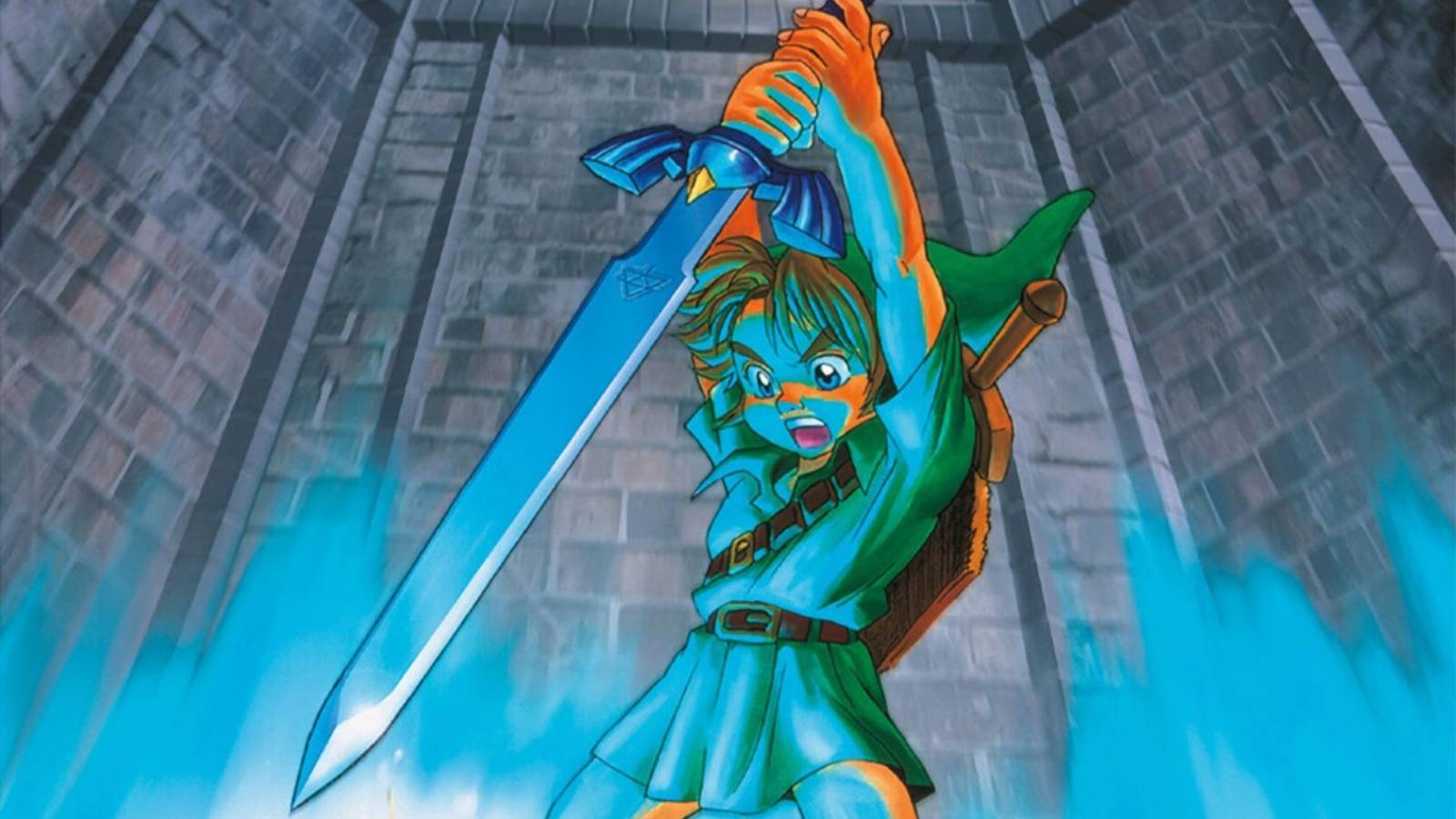
The hook is structural, not cosmetic. Pull the Master Sword from its pedestal and Link is cast seven years into the future as an adult; return the sword and he is a child again. Each era opens different dungeons, items, and social puzzles. As a child you slip through gaps adults cannot; as an adult you wield strength the story denies the young Link. Few games have tied their central mechanic to their narrative this tightly.
A Perfect-Storm of 10/10s
The reception was not merely positive; it was near-universal. Metacritic lists Ocarina of Time at 99/100 across 22 critic reviews, the highest aggregate score in the site’s history, while GameRankings held it at 98% (Wikipedia, retrieved 2026-11-05). Individual outlets were no less effusive: IGN, GameSpot, Edge, Electronic Gaming Monthly, and Famitsu all awarded perfect or equivalent-perfect scores.
That consensus is why so many publications — Game Informer (1999), Edge (2000), IGN (2008), and Nintendo Power (multiple years) — have named it the greatest video game ever made. The chart above shows just how uniformly the critics aligned.
The 3DS Remake and the Legacy
Ocarina of Time did not end in 1998. A Master Quest edition followed on GameCube in 2003, and in June 2011 Nintendo released The Legend of Zelda: Ocarina of Time 3D for the Nintendo 3DS, developed alongside Grezzo and supervised by Eiji Aonuma (Wikipedia, retrieved 2026-11-05). The remake sharpened the visuals, added gyro aiming, and made the control scheme feel native to a handheld. Today the N64 original is also playable through Nintendo Switch Online’s N64 library, so newcomers have two legitimate on-ramps.
Its DNA is everywhere. Open-world quest design, context-sensitive buttons, and the very idea of a living, song-driven overworld all trace back to this release. If you have played Breath of the Wild or Tears of the Kingdom, you are playing a descendant.
The 2026 Switch 2 Remake
As of November 5, 2026, Ocarina of Time has its most ambitious revival yet: a full remake built for Nintendo Switch 2. IGN’s Logan Plant reviewed the Switch 2 version and scored it 9/10 — an Editors’ Choice — calling it “the best Zelda has ever looked and sounded” (IGN, retrieved 2026-11-05). Unlike the 2011 3DS update, this is a modern interpretation rather than a 1:1 touch-up: Link moves with the free dash and jump of Breath of the Wild and Tears of the Kingdom, aiming uses a third-person camera with gyro, Koji Kondo’s score is re-recorded by a small ensemble, and the whole game runs at a steady 60fps in both docked and handheld play.
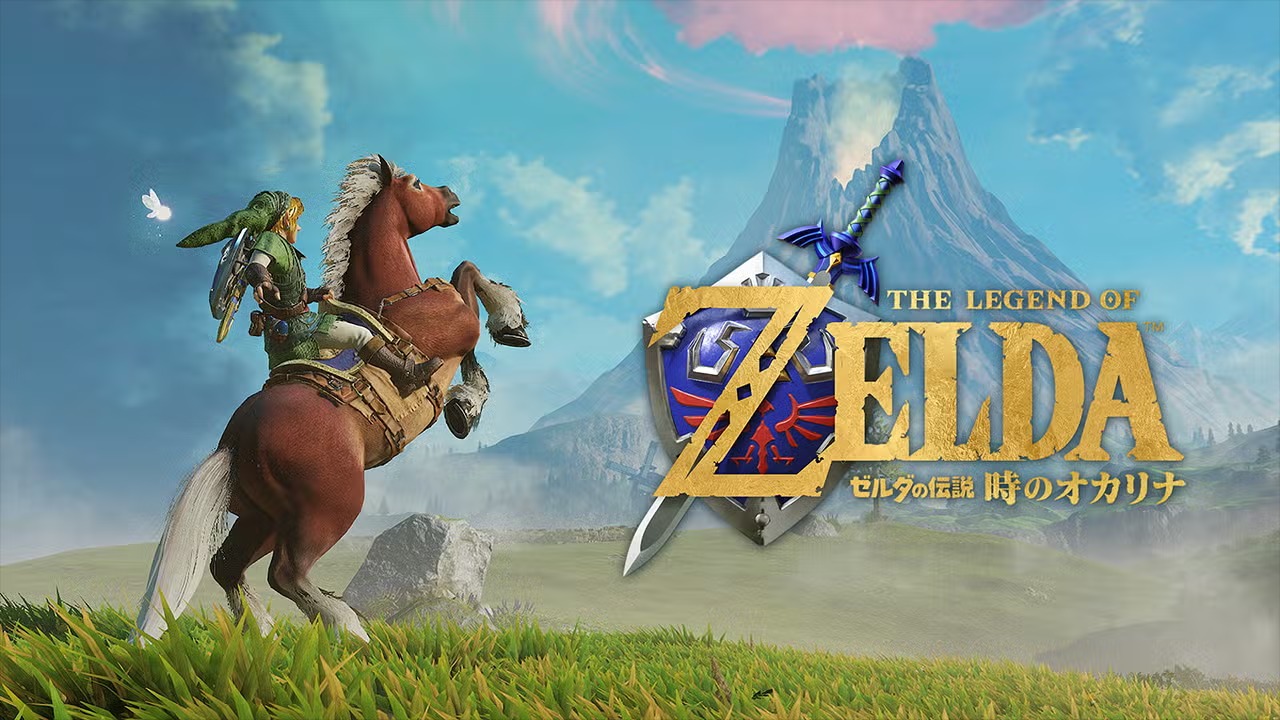
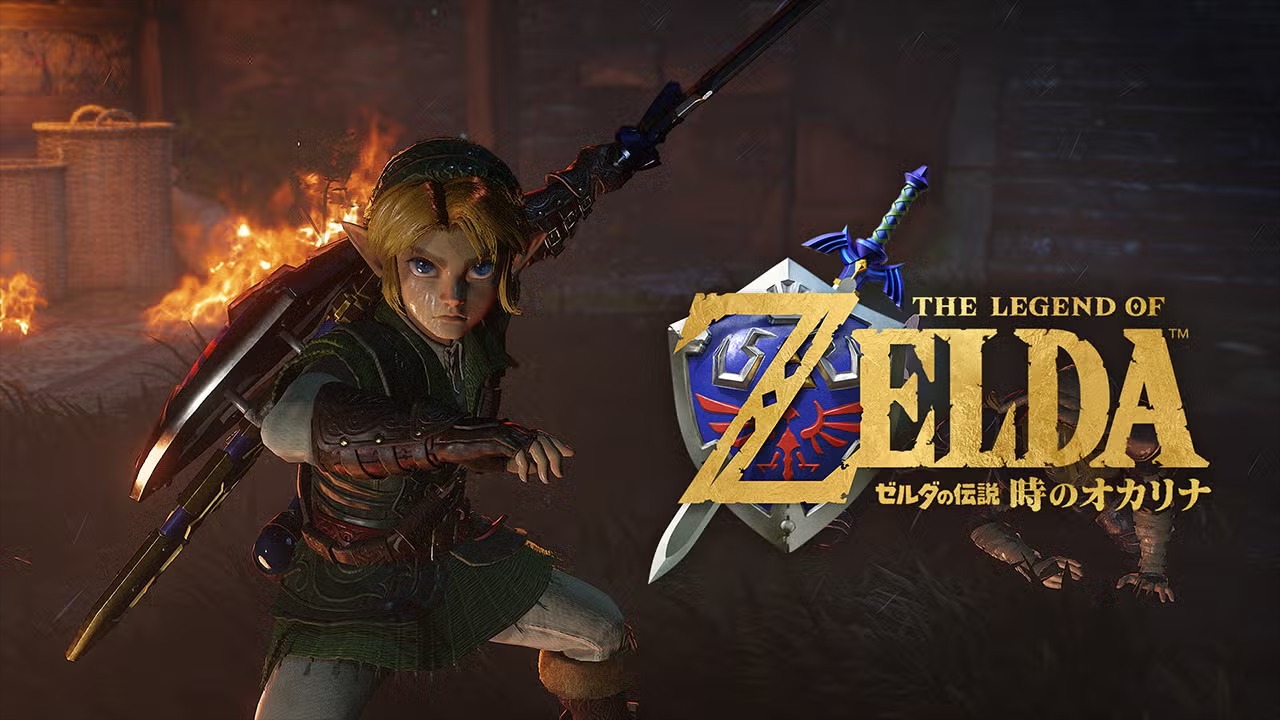
The trade-off is gentleness. IGN noted that the dungeons are smoothed — the Water Temple loses some of its infamous key hunts, locks sit closer together, and puzzle hints are more obvious — while enemies keep their 1998 tuning, so the challenge is lighter than the new controls imply. There is no Hero Mode. For newcomers, though, it is the most polished on-ramp the game has ever had; for veterans, a fresh coat on a familiar legend. (Our 99/100 above reflects the original’s historical standing; the Switch 2 remake is a separate, modern product.)
Not Everyone Crowns OoT #1
For all its accolades, Ocarina of Time is not universally ranked the best Zelda game. In a September 2026 feature, CBR’s Scott Baird argued that OoT is not even the second-best entry in the series, pointing to real, dated rough edges that modern players feel immediately: the original N64 controller’s awkward three-pronged layout, the slow item-switching menus that turned the notoriously confusing Water Temple into a slog, and sidequests whose rewards rarely justified the grind (CBR, retrieved 2026-11-05).
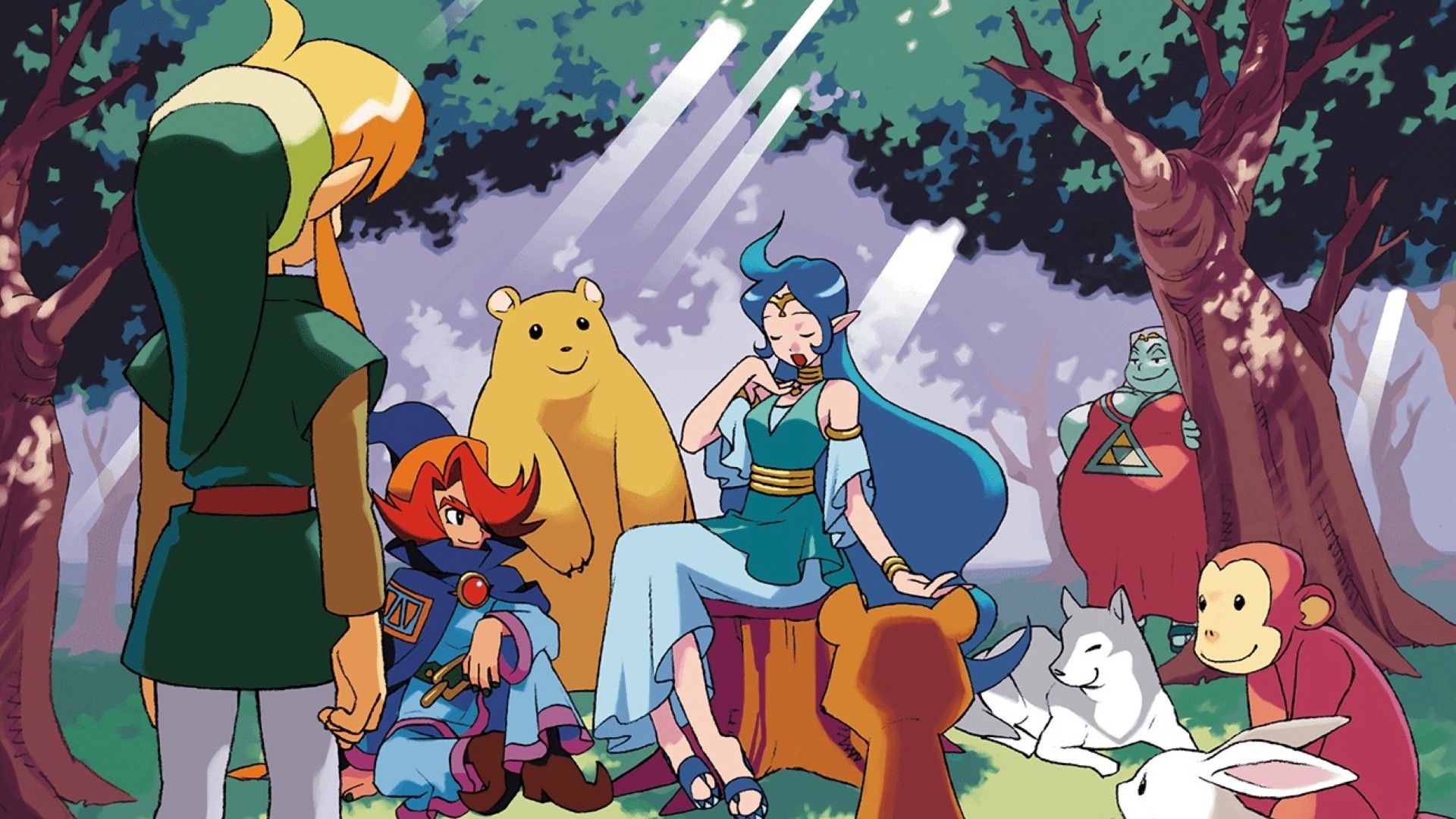
Baird’s pick for the top spot? The paired Game Boy Color titles Oracle of Ages and Oracle of Seasons, built by Flagship with a dual-version, password-linked structure borrowed from Pokémon Red and Blue. Ages leans into puzzles, Seasons into combat and dungeons, yet both inherit the tight 2D Zelda loop that ages far more gracefully than early 3D.
The broader point — that 2D Zelda is “timeless” — has merit. A Link to the Past (SNES) and Link’s Awakening (Game Boy) still play cleanly today, free of the camera and control friction that dates OoT’s 3D contemporaries.
We don’t fully agree — OoT’s historical impact (it invented lock-on 3D combat and shaped open-world design) earns its place at or near the top — but the debate is legitimate, and it is a reminder that “greatest ever” is as much taste as fact.
Pros and Cons
| Pros | Cons |
|---|---|
| Lock-on targeting that defined 3D action | N64 visuals are dated by modern standards |
| Time-travel structure ties story to mechanics | Some camera stiffness in enclosed spaces |
| Koji Kondo’s iconic, memorable score | Slower pacing than contemporary open worlds |
| Best-reviewed game in Metacritic history | Tight platforming sections can frustrate |
Should You Play It in 2026?
Yes — and as of November 2026 your best on-ramp is the new Switch 2 remake, which IGN scored 9/10 for its modern controls, 60fps presentation, and re-recorded score. Prefer a lighter option? The 2011 3DS remake (Ocarina of Time 3D) still preserves the design while smoothing the original’s awkward camera-in-tight-spaces moments, and purists can sample the N64 original on Switch Online to feel the game as 1998 players did. Either way, budget for the pacing: this is a slower, puzzle-first adventure than modern open worlds, and that is precisely the point.
For more on where the series went next, our coverage of Nintendo’s 40th-anniversary Zelda pin set traces the milestone moment the franchise just reached.
Looking for more classics worth your time? Browse the rest of our game reviews.
Frequently Asked Questions
When was Ocarina of Time released?
November 21, 1998 in Japan, November 23 in North America, and December 1998 in Europe, for the Nintendo 64.
Who directed and produced it?
Shigeru Miyamoto produced it; the director team included Eiji Aonuma, among others at Nintendo EAD.
What is its Metacritic score?
99/100 from 22 critic reviews (Metacritic, retrieved 2026-11-05) — the highest in the aggregator’s history.
What is the best version to play today?
The 2026 Switch 2 remake is the most modern and polished version (IGN 9/10), the 2011 3DS remake (Ocarina of Time 3D) is the best portable classic experience, and the N64 original is available via Nintendo Switch Online.
Why is it called the greatest game of all time?
A near-universal critical consensus (perfect scores from IGN, GameSpot, Edge, EGM, and Famitsu) plus lasting influence on 3D game design keep it at the top of greatest-game lists.
The Verdict
The Legend of Zelda: Ocarina of Time is not just a classic to be respected from a distance. It is a tightly built adventure whose inventions — lock-on targeting, a time-travel structure that means something, a score you will hum for decades — still define the genre it helped create. Our score is 99/100: a timeless game that every modern 3D adventure is, in some way, a remix of.
Booted the N64 original on Switch Online this week and the Z-targeting still feels like a revelation. A 99 Metacritic from 1998 is not hype - every 3D adventure since quietly borrowed this lock-on system. The time-travel between child and adult Link is the cleverest hook in the series.
The 3DS remake, Ocarina of Time 3D from 2011, is the version to play. Grezzo and Aonuma cleaned up the camera without losing the soul, and the ocarina songs still give me chills. Koji Kondo's score is the real MVP. Easily a perfect 10 in my book.
Came for the greatest-game-ever reputation, stayed for the dungeon design. Miyamoto and Aonuma built something timeless, and 7.6 million N64 copies sold for a reason. If you only play one classic Zelda before Breath of the Wild, make it this one.