
Splatoon Raiders pulls off something I genuinely didn’t think was possible. It takes the series away from competitive multiplayer and actually makes that work. This is a single-player adventure through and through, built on progression and letting your own style shine through. The story’s kind of thin and the mid-game pacing stumbles a bit, but the gameplay loop is so satisfying and the customization so deep that it’s easy to forgive those rough spots. Whether you’ve been with Splatoon since day one or you’re just after a solid action-adventure, Raiders is worth your time at 80/100, and it honestly feels like a bold new direction for the franchise.
What Even Is Splatoon Raiders?
Splatoon has spent over a decade doing its own thing, letting players splat each other and cover entire maps in colorful ink. But underneath all that vibrant craziness sits a surprisingly dark world. Set way after humans wiped themselves out, the series is about a new dominant species, the Inklings, who took over the planet and built a whole civilization on top of the ruins.
Raiders is the series’ first single-player focused spin-off, a full action-adventure all about exploration, combat, and building yourself up. You hop between mysterious islands, take on raids, fight baddies with all sorts of ink-based weapons, and scoop up resources to beef up your gear and grow your hideout. Co-op is still there if you want it, but it’s not the main event anymore. Nintendo went a direction I totally didn’t see coming, leaning hard into the solo adventure instead.
And it just… works.
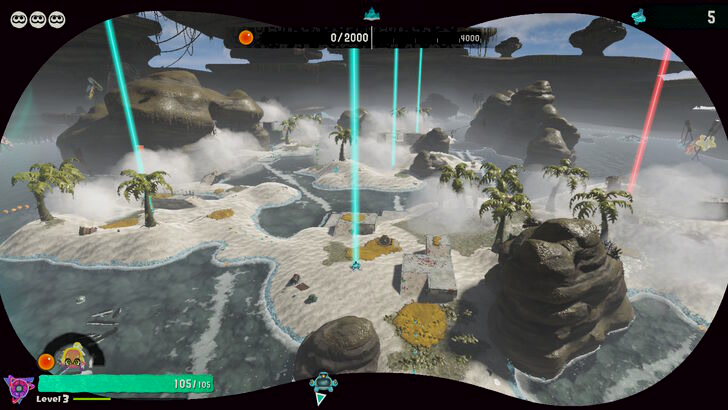
Every new weapon, gadget, and upgrade felt like adding another tool to my arsenal, giving me fresh ways to tackle both exploration and fights. I stopped caring about multiplayer matches and started chasing unlocks, shortcuts, and new areas I could finally reach. That constant sense of growth made it crazy hard to put down. What I thought would be a fun little experiment turned into one of the most engaging games the series has ever put out.
Deep Cut Finally Gets the Spotlight
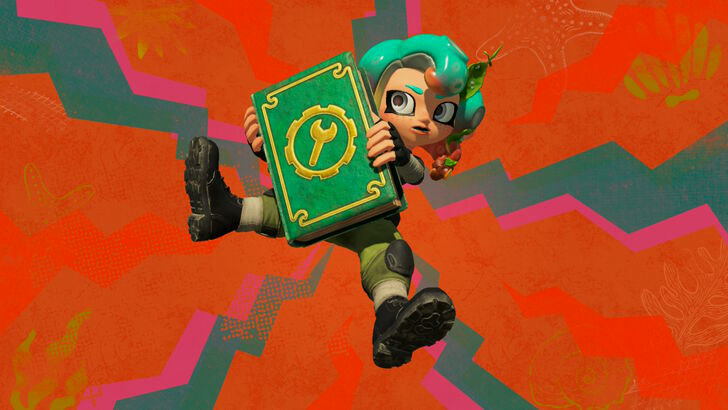
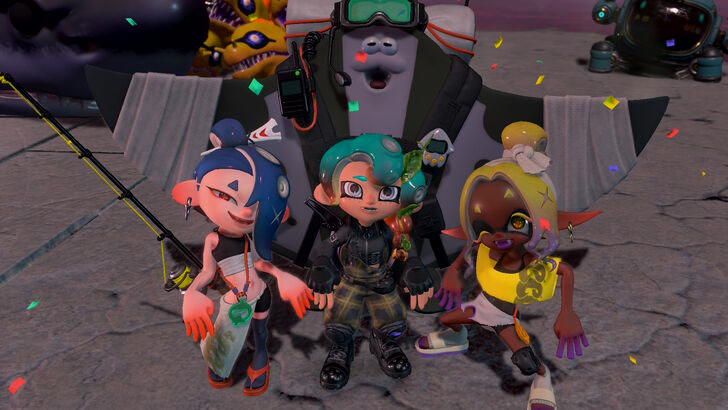
Unlike the mainline games, Raiders isn’t a direct sequel story-wise, but it’s set in the same universe. This time you play as a pilot and mechanic working with Deep Cut, the trio introduced in Splatoon 3. They’re known as a band, sure, but they’re really treasure hunters always chasing the next big find.
What starts off as a simple mission to grab supplies after getting stuck on a mystery island slowly turns into hunting for treasure alongside the trio. It’s a setup that gives the game a natural reason to keep pushing you toward new discoveries without making every objective feel random. The story’s not exactly breaking new ground, and it’s not trying to be some epic Nintendo narrative either. It’s really just there to give context to your raids and make spending time with the characters feel rewarding. Instead of leaning on a dramatic plot, the game puts its energy into the cast.
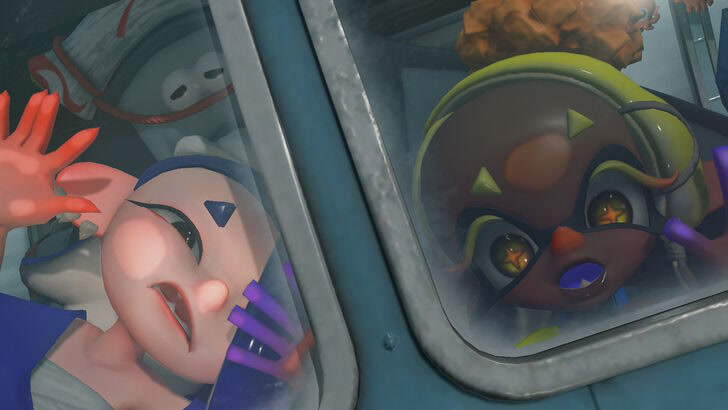
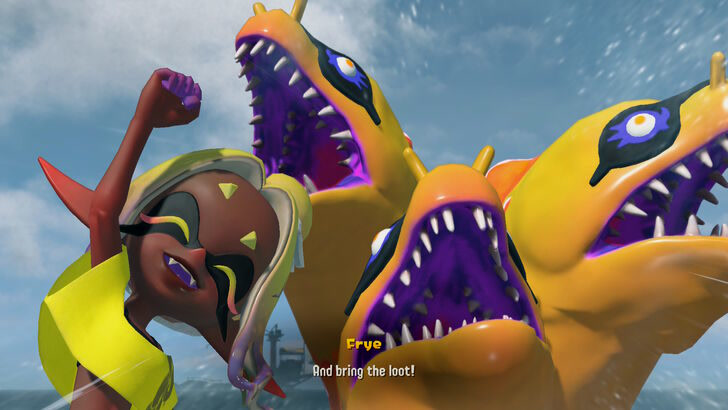
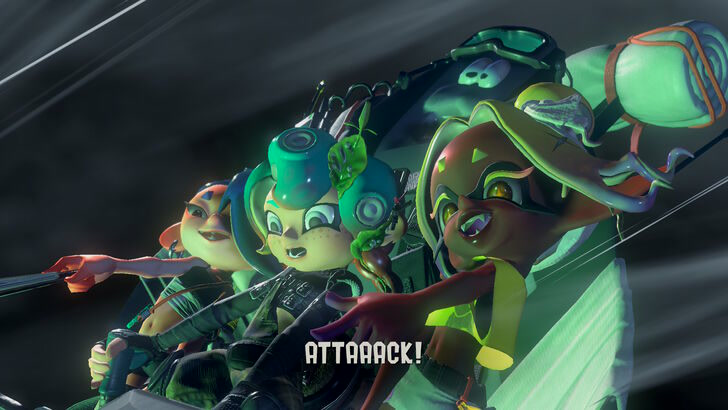
Every raid lets you pick whether Shiver, Frye, or Big Man tags along by piloting a support machine called the Bot. It helps in combat, shoots enemies, gives you jump boosts, basically feels like a legit companion. Even better, sticking with the same partner slowly builds up your relationship, unlocking conversations that dig into each member of Deep Cut and their backstories.
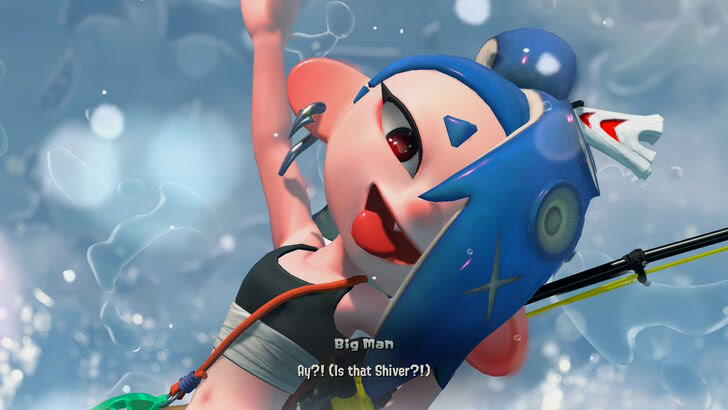
That relationship system actually ties into gameplay too. Each character has their own Showstopper, a powerful ultimate that charges up as you play, so every companion brings something different to the table beyond just personality. The higher your relationship, the more damage the Showstopper does when you pop it. I personally liked Shiver’s vibe and story more, but I kept bringing Frye along because her AoE Showstopper was just so damn effective in fights.
It’s a simple system, but it gives every expedition a little extra weight. Instead of companions just existing for dialogue, Raiders connects character progression to gameplay choices, nudges you to experiment, and naturally brings you closer to the crew.
The Hideout Grows With You
The core gameplay loop is pretty straightforward. You explore nearby islands, find spots with treasures, and head out on raids to grab them. Those raids hook you up with new weapons, gear, gadgets, relics, and materials, all of which make you stronger and better equipped for even tougher raids. On paper it sounds simple, but the rewards keep things feeling fresh and make it way too easy to fall into that “just one more raid” trap.
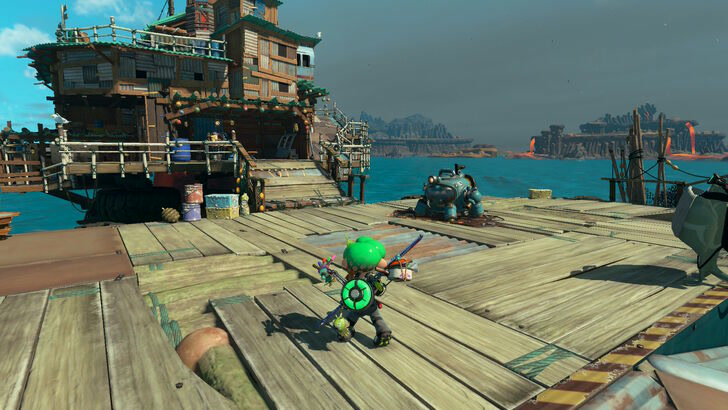
Before I get into the raids themselves, though, I gotta talk about the Hideout Ship. After crash-landing, you play as the mechanic working with Deep Cut to build up a hub. Between every expedition, this is where you come back to get ready for the next one. You can mess with your loadout, swap weapons, equip different Ink Tanks, Gadgets, and Relics, pick a different Bot companion, and even change your outfit before heading back out.
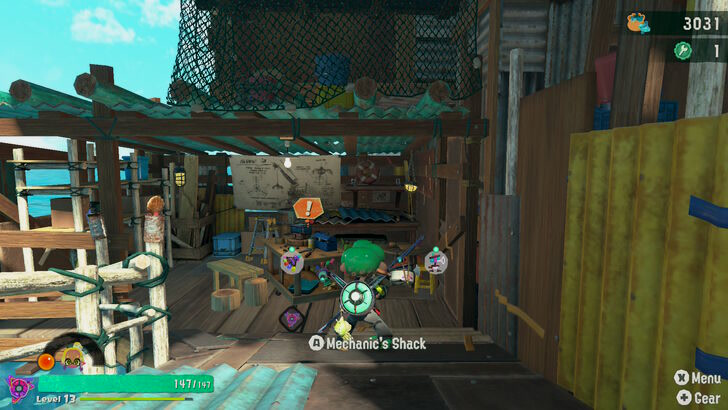
The Hideout doesn’t just sit there either. Using materials from raids, I was slowly able to expand and upgrade the ship by building new facilities that unlocked extra features. Whether it was adding a room to scrap unwanted materials into Spirhalite Shards or building spaces for developing gadgets, every upgrade made the ship feel a bit more like home while giving me another reason to keep hoarding resources.
There are even optional additions that are just there for fun. One of my favorites was building an arcade with a fully playable minigame. It’s not needed for progression or anything, but it gives the hideout personality and gives you something to do when you wanna take a breather from the whole explore-and-raid grind.
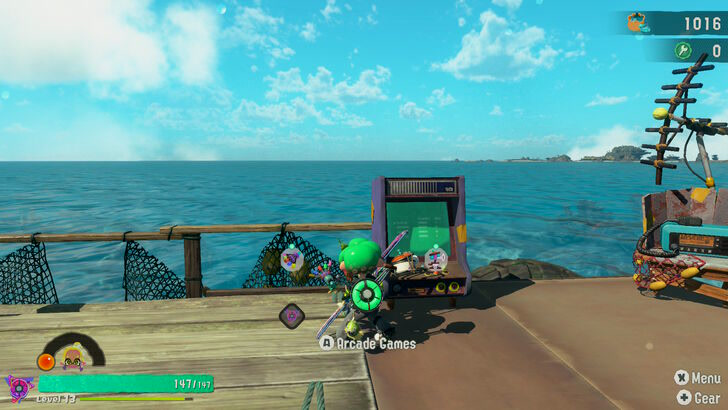
More than anything, the Hideout Ship works because it doesn’t feel like a menu dressed up as a place. Every trip back feels like progress, whether I’m unlocking a new useful room, upgrading something I already have, or just rearranging my gear before the next run.
Gyro Aiming Remains the Best Way to Play
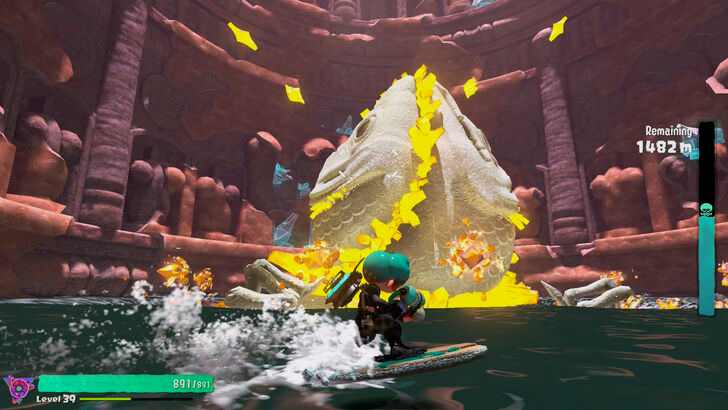
Just like the other Splatoon games, Raiders keeps gyro aiming front and center. Motion controls are on by default, letting you tilt the Joy-Con to aim vertically while the right stick handles horizontal movement. It’s become basically synonymous with the series, and Raiders clearly builds around it.
If you’re new to Splatoon, don’t be surprised if it feels weird at first. It takes a minute for your hands to get used to it, especially early on when you’re still figuring out which button does what with all your gadgets while also trying to aim with motion sensors. It doesn’t click right away, and I totally get why beginners would wanna turn motion controls off after a few minutes.
Here’s the thing, though. I wouldn’t recommend it.
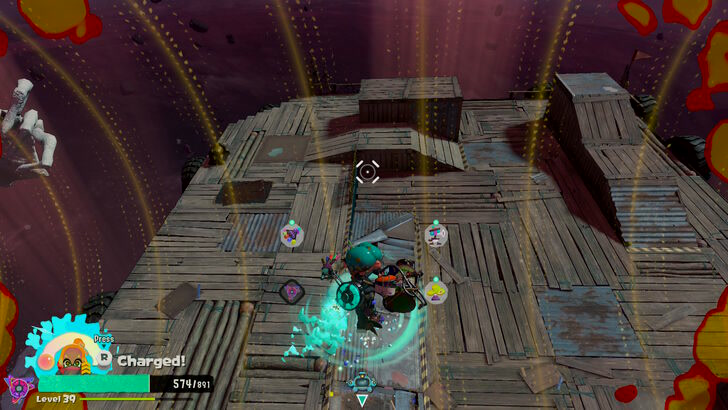
I tried standard stick aiming and messed with the sensitivity to see if it felt better, but it quickly became clear how much the game is built around gyro. Aiming felt slower, tracking fast enemies was way less intuitive, and after getting used to motion controls, going back to traditional aiming actually felt like the harder adjustment.
I also played the whole game in tabletop mode, which let me use the Joy-Cons for motion aiming the entire way through. That setup felt way more natural than trying to force stick controls, and by the end of my playthrough, I literally couldn’t imagine playing Raiders any other way.
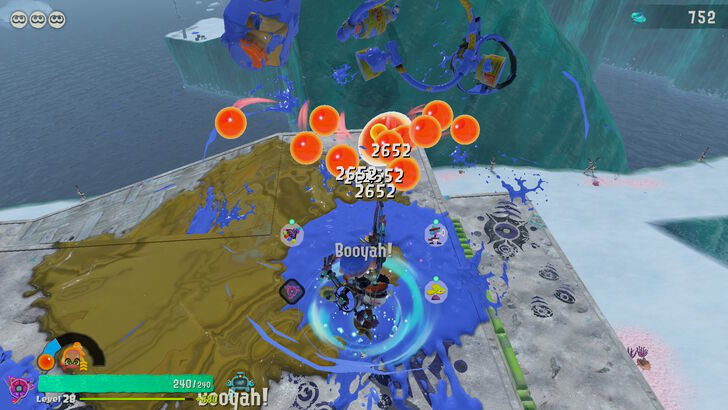
For newcomers, gyro is probably the first hurdle you’ll need to get over. But once it becomes muscle memory, it stops feeling like a gimmick and becomes one of the reasons Splatoon’s combat feels so snappy and satisfying.
If you do want to turn it off, though: while you’re in the Hideout Ship, press X to open the menu. From there, head to options, pick either tv/tabletop mode or handheld mode, and you can toggle motion controls off.
More Than Just Bigger Guns
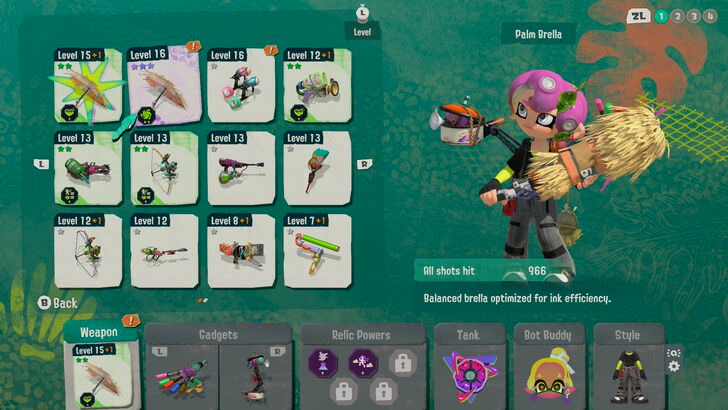
The reason Raiders’ progression loop kept me so hooked wasn’t just because I kept finding better gear. It was because every new piece of equipment could totally change how I tackled the next raid. Instead of one set upgrade path, the game gives you multiple systems that constantly push you to experiment, making every reward feel like another shot at refining your playstyle.
Weapons are the first layer. There’s a solid variety to pick from, ranging from standard shooters to weirder options like heavy-duty umbrellas. Some are built for close range while others make you want to keep your distance, and the rarer ones usually come with stronger or more unique passive abilities that set them apart.
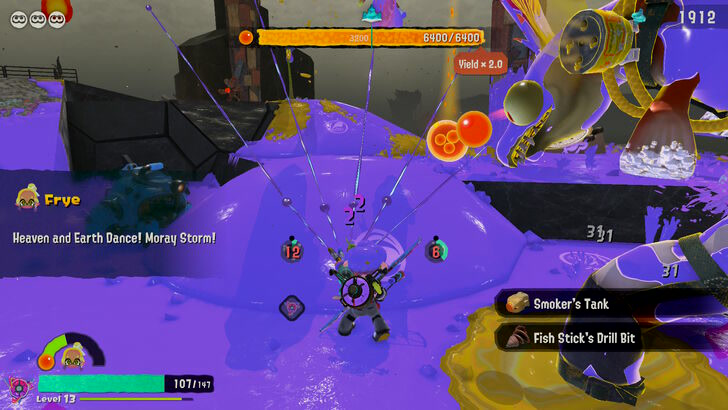
What I really liked is that these passives don’t just pump up your damage numbers. They gave me a reason to test abilities I wouldn’t have bothered with otherwise, which kept combat from going stale, especially since the game kept throwing new stuff at me to try.
Ink Tanks Define Your Playstyle
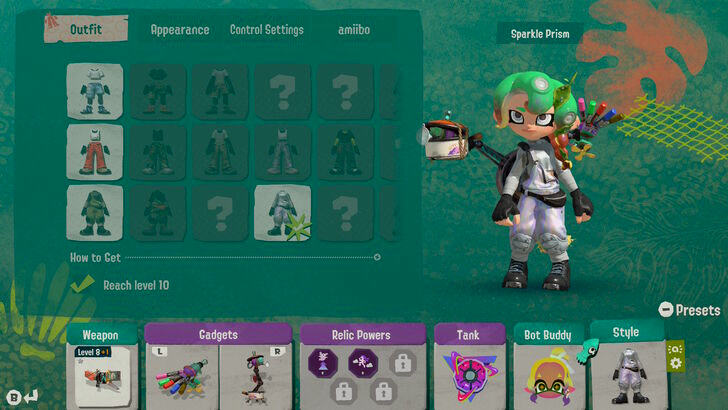
The second layer is Ink Tanks, which ended up being my favorite part of the whole build system because that’s where personal expression really comes into play. Right from the start you get three options: the Speed Tank, Power Tank, and Tactical Tank, each unlocking a different set of gadgets.
Those gadgets make a huge difference in how fights play out. Depending on your Ink Tank, you get tools that lean into mobility, raw damage, or battlefield control. I naturally drifted toward the Tactical Tank because I love having options in combat. Being able to drop an automated turret or fire off a massive laser made fights feel less like just shooting enemies and more like actually controlling the battlefield.
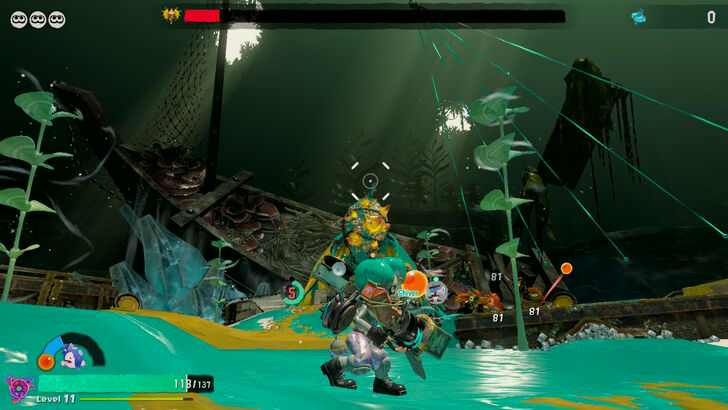
That flexibility means your choice goes beyond just your main weapon. Even if two players have the same gun, their gadgets can totally change how they approach a fight. It’s a subtle thing, but it adds way more depth to the combat than I expected, letting everyone lean into whatever style feels most fun.
Passive Progression Makes Every Find Count
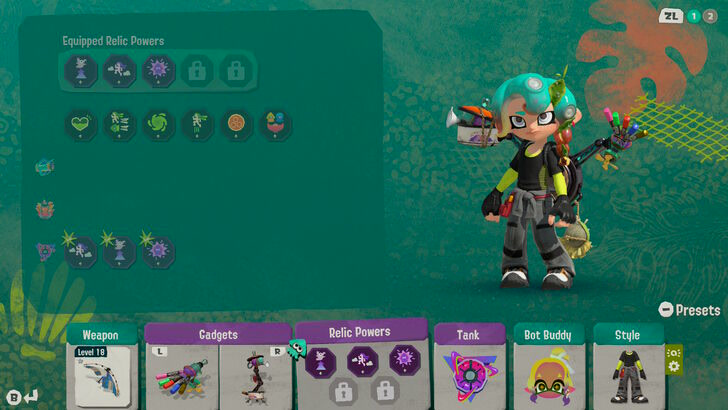
Then there are Relics, which quietly tie everything together. They give you passive bonuses you can freely mix and match, and some Relics are locked to specific Ink Tanks, giving you another reason to try different builds instead of settling on one setup for the whole game.
Relics also feed into your overall Relic Value, a progression system that rewards you for collecting them by bumping up your status level. Hitting new milestones increases how many Spirhalite Shards you earn during raids, so every Relic has value beyond just the bonus it hands you.
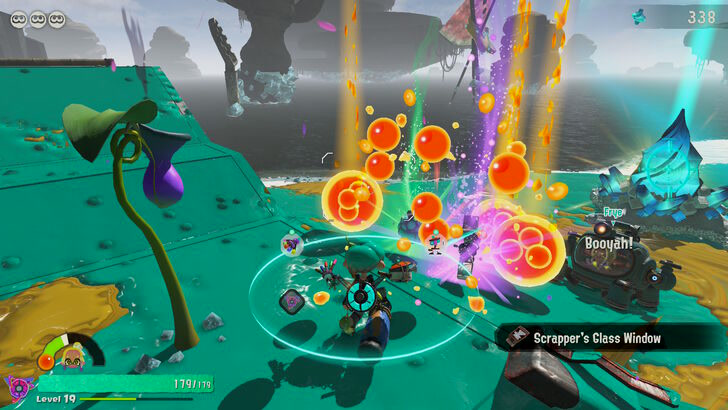
I really dug how this system rewards experimentation without punishing you for committing to something. Every Relic I found felt useful somehow. Either it made my current build better, or it pushed me toward trying something totally different. Combined with the weapons and Ink Tank systems, Raiders creates a progression loop where pretty much every reward feels worth it. Instead of just getting stronger, I was constantly finding new ways to play, which made every successful raid feel exciting even after the initial thrill of finding loot wore off.
The Mid-Game Hits a Wall
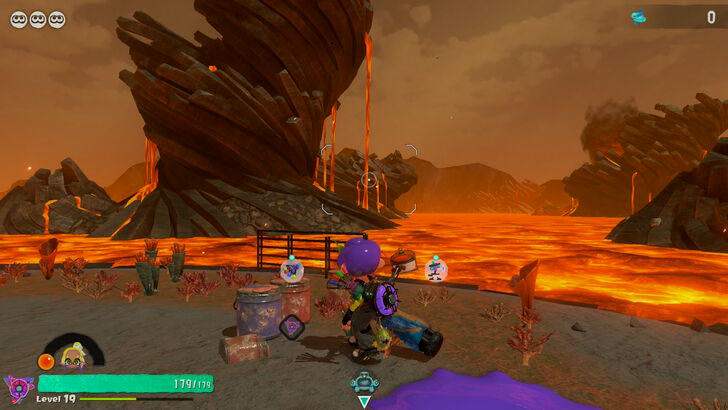
For all the freedom Raiders gives you with building your character, the progression isn’t without its issues. Around the midpoint, I ran into a pacing problem that killed a lot of the momentum the game had spent hours building up.
Every raid has a recommended level, but I kept unlocking new areas way before I was actually strong enough to handle them comfortably. It’s exciting seeing new destinations open up, but that excitement wears off fast when you realize you’re seriously underleveled, turning what should feel like a natural next step into a much harder fight than it should be.
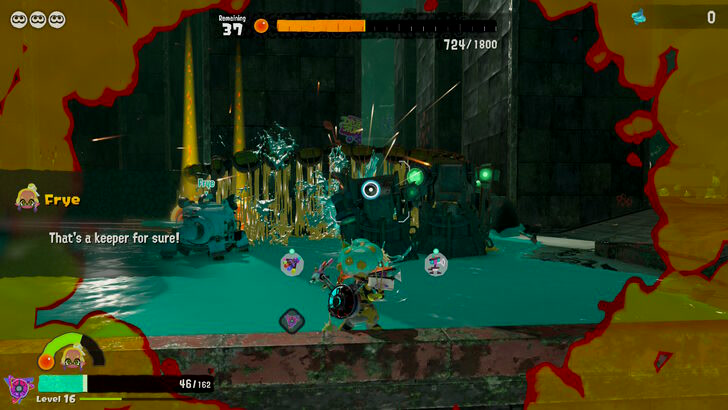
That leaves you with two choices. Either go back to earlier raids and grind levels and resources, or keep throwing yourself at the new area until you barely scrape by. Neither option feels great, because at this point you’ve already seen what the earlier raids have to offer, and dying over and over in the higher levels makes them less fun to replay. Instead of discovering something new, progression temporarily becomes running familiar content on repeat just to hit the next level requirement.
I think this could’ve been fixed by adding more intermediate areas or smoothing out the level curve between raids. The progression system works best when every expedition feels like a real step forward, and this sudden difficulty spike messes with that flow more than it should.
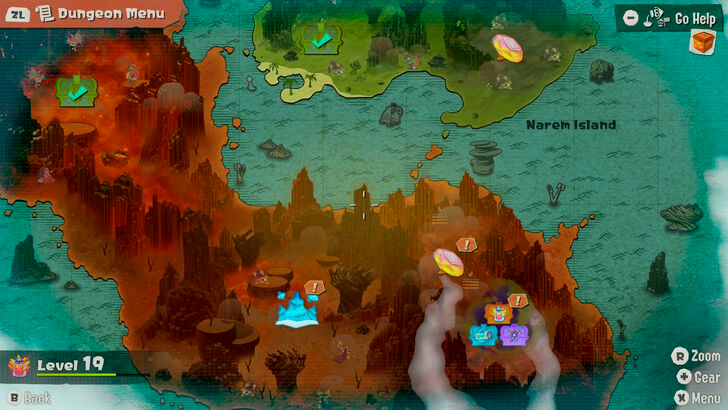
There is an alternative if you’ve got a Nintendo Switch Online subscription. You can call in other players to help with tougher raids. It’s a nice option to have, but it’s also something not everyone will be able, or want, to fall back on. A progression wall in a mostly single-player game shouldn’t feel like it’s best solved by bringing in multiplayer backup.
Thankfully, Raiders eases the frustration in one important way. Even failed runs still give you XP and let you keep most of what you collected, so every attempt pushes you toward getting stronger. That keeps failure from feeling totally wasted and means you’re always making some kind of progress.
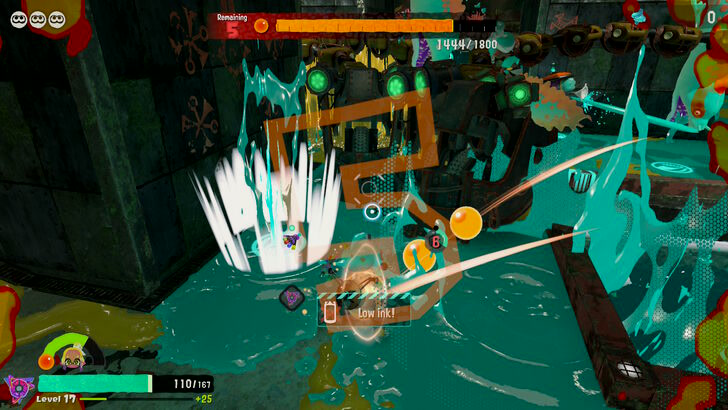
Even so, it feels like a band-aid rather than a real fix. The system respects your time by rewarding persistence, but it also exposes a progression curve that could’ve been paced way better. When the core loop is this fun, the last thing I wanted was to hit the brakes just because the game asked me to replay stuff I’d already beaten.
Is Splatoon Raiders Worth It?
Offer Your Treasures to the Fam
All in all, Splatoon Raiders is a fantastic first step into single-player territory for the series. It takes the tight movement and ink-based combat that made Splatoon famous and successfully reshapes them into an adventure driven by exploration, progression, and player expression. I came in expecting a simple spin-off and walked away genuinely surprised by how hooked I was on the gameplay loop.
At $49.99, Raiders delivers solid value. Between the satisfying raids, flexible builds, meaningful upgrades, and constantly growing arsenal, there’s always another goal to chase or another build to try out. That steady drip of progression makes it ridiculously easy to lose track of time.
It’s not perfect, though. The mid-game progression can stall out thanks to the uneven level curve, occasionally forcing you into unnecessary grinding before you can move forward naturally. But even then, the game does enough to make those extra runs feel productive instead of totally wasted.
At the end of the day, Splatoon Raiders proves the series doesn’t need competitive multiplayer to be awesome. The satisfying progression and surprisingly deep customization create a single-player adventure that’s easy to recommend, not just to diehard Splatoon fans but to anyone after an action game that keeps rewarding your curiosity, experimentation, and the thrill of seeing what’s on the next island.



Final Verdict
Splatoon Raiders delivers a good experience with a score of 80/100.