
Overview
RuneScape: Dragonwilds packs 25 years of magic into one massive survival crafting open-world game. This huge shift from its traditional “Buying GF” MMO roots feels like a natural evolution for a franchise that inspired countless others, and now it’s RuneScape’s turn to borrow a few pages from its peers. What keeps 1.0 from being the complete package, though, is that this addictive grind eventually hits a wall—the lack of meaningful endgame content leaves little reason to keep pushing once you’ve conquered its biggest challenges. Still, that hasn’t taken away what makes its gameplay loop so addictive: horizontal progression that’s more forgiving for casual players, while still giving you another reason to keep going until you suddenly realize how many hours have slipped by.
RuneScape: Dragonwilds is an open-world survival game set in a forgotten continent known only as Ashenfall. Learn more about the game’s story, gameplay, release date, our full review, and more.
RuneScape Dragonwilds Wiki
Overview
What is RuneScape Dragonwilds?
RuneScape: Dragonwilds is an open-world survival crafting game set in a forgotten continent next to Gielinor called Ashenfall. After a mysterious phenomenon wakes up its dragons, this uncharted world has no shortage of fangs ready to bite unprepared players.
Gameplay in RuneScape: Dragonwilds is a mix of survival RPG and open-world exploration, but at its core is the series’ signature progression system, where you grind skill levels to unlock more powerful abilities and stats. Activities like mining, fishing, and combat all feed into your progression, gradually turning your once-greenhorn hero into an ultimate Dragon Slayer.
RuneScape: Dragonwilds Features:
- Massive Survival Crafting Open World
- Six Unique Biomes to Explore
- Fantasy Story With RuneScape Lore
- Soulslike-Inspired Third-Person Combat
- Crafting and Horizontal Progression
- Customizable Base Building
- Powerful Dragons and Challenging Bosses
- Solo and 4-Player Co-Op Adventures
- Repeatable Endgame Quest
For more gameplay details, read everything we know about RuneScape Dragonwilds’s gameplay and story.





RuneScape Dragonwilds 1.0 Review | The Best Possible Evolution of an Old-School Franchise
25 Years in the Making
When the first RuneScape dropped in 2001, nobody really expected it to become a mainstream phenomenon. Players were still figuring out what they could do in its world. It was one of the first multiplayer spaces where players could soak in the sights, fish, mine, chop trees, and spend their time however they wanted.
Now, after years of trial and error across its multiple iterations, the franchise has found its identity by respectfully splitting its community between Old School RuneScape and RuneScape 3. But Jagex wants more. It wants something ambitious that can prove its budding 2001 passion project can keep evolving, especially now that the beloved franchise has attracted more than 300 million accounts worldwide.
After 50-plus hours of exploring Ashenfall, I’m completely convinced that this is the series’ best evolution, largely because it eases the OG’s long and brutal skilling grind with clear and achievable goals from the moment you step out of the first area. In short, it’s RuneScape modernized with just the right kind of returning systems to keep older players hooked, while also welcoming newcomers to the genre.
Almost all of its systems, from the classic skilling to its horizontal progression, work incredibly well with the new open-world survival approach, turning this once-classic game into its fully realized version while still taking a few notes from the games that came before it.
You’re Not in Old-School Gielinor Anymore
Dragonwilds is also Jagex’s answer to two types of players: those who love the classic RuneScape adventure and those who crave the grind of survival games like Valheim and Enshrouded. It sits right in that sweet spot between the two, while respecting a player’s time to do whatever they want, however they want.
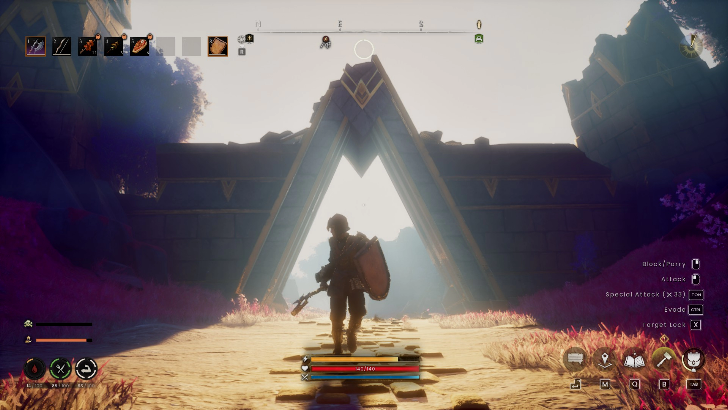
The first sign of this newer approach to the RuneScape experience is that this isn’t the low-poly world you once knew and loved. No more checking the server tick-rate or the supply and demand of its economy. This is a full-fledged open-world with third-person combat, which is a big departure from the original’s point-and-click beginnings. Other than that, you’re definitely not in the same part of Gielinor as before.
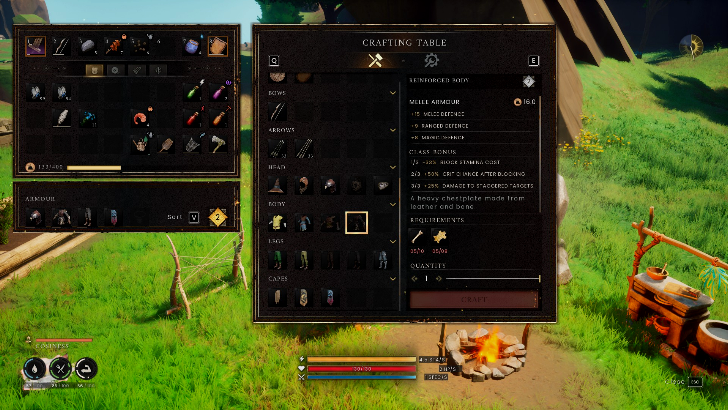
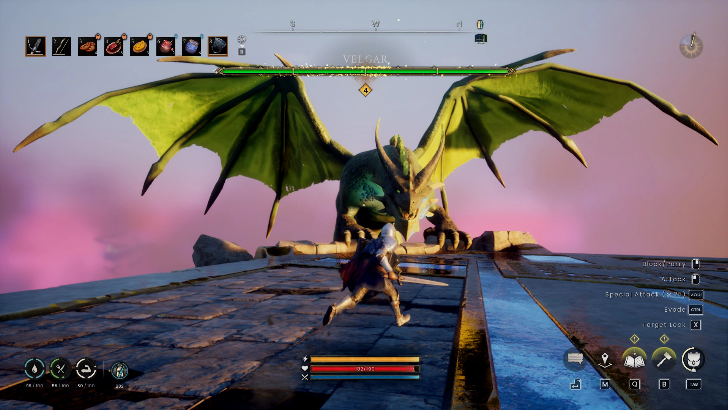
This new installment makes up for that absence by becoming a full-fledged survival game that follows a formula similar to Iron Gate Studio’s Valheim, where you have to constantly manage your character’s needs, from hunger to getting enough sleep. So instead of worrying about how much an item costs, you now have to deal with endless activities like building houses, foraging for food, chopping trees, and dying a bunch of times from falling into a deep pit or thinking you can take down that Green Dragon from a distance.
It’s not a jarring design shift, considering the survival management is more of a side dish than the main course. Dragonwilds is still RuneScape at its core despite its fresh coat of Unreal Engine paint, which, surprisingly enough, runs well on my mid-range PC.
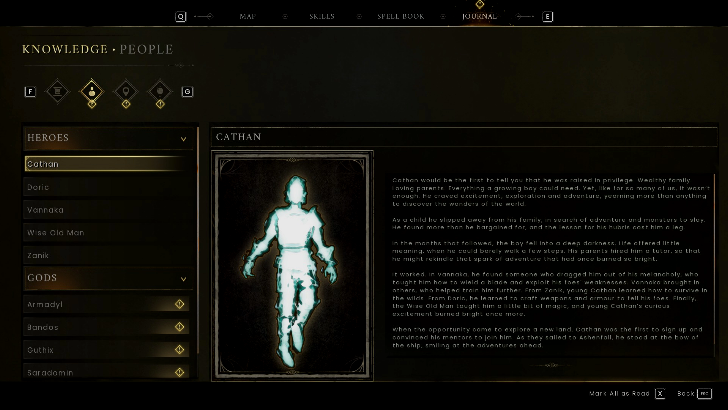
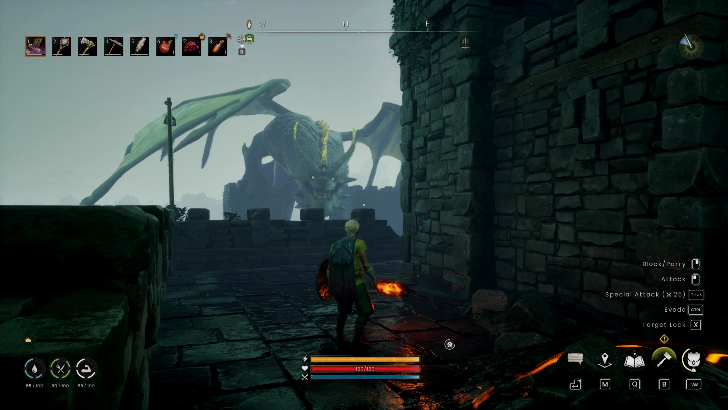
To make the journey even fresher, new and old players are taken to the new region of Ashenfall, packed with formidable foes not found on the mainland, including the five-headed dragon Kuldra, the game’s final boss, which I’ll get into later. Like Lord of the Rings’ Bilbo Baggins, you’ve got your very own dragon to take down, along with your own version of Gandalf in the form of familiar NPCs from OSRS, including the Wise Old Man, who even sports the same crew he’s always had.
Dragonwilds’ lore takes center stage once you’re here, telling a story largely independent of what the original games established. Bits and pieces of lore are scattered throughout the game’s biomes, and you can always take a look and read through them to piece together the bigger picture. That said, it can be hard to keep track of everything when there’s an entire world waiting to be explored. There’s just too much lore packed into Dragonwilds’ story, and it can be really overwhelming for players who just started their journey. Apart from taking down a giant dragon, you’re also hit with big walls of diary logs from strangers you don’t know and names you’ve never heard of. Most of the time, an average player would just skim through these pages, but those who take the time to read can see that this world is more than it seems beyond the daily grind.
Sacrifices Were Made in Quality
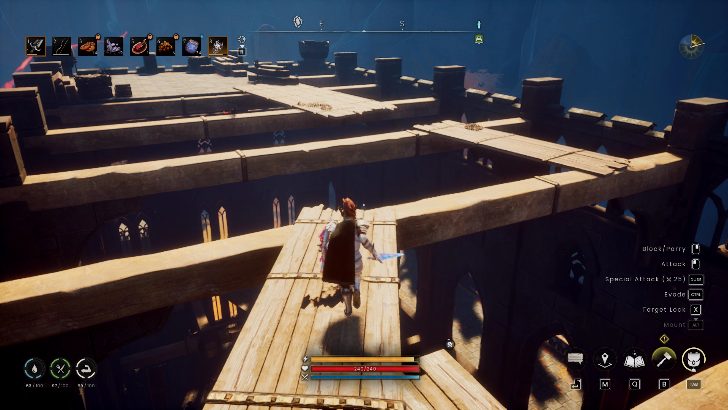
One of the biggest things old-school players will notice is that the quest designs are dumbed down with fairly simplistic objectives.
Most of the time, major story beats boil down to finding missing NPCs or collecting the items needed to slay a region’s dragon. In OSRS, these characters take players through a series of raid-like encounters with a game-changing unlock at the end of the questline. In Dragonwilds, you only do these quests to push the story forward and move you to the next biome. Sure, the stakes are higher this time around since a new dragon is terrorizing the skies, which could herald the end of the world. But putting players through a laundry list of objectives doesn’t feel very engaging when there’s still a grind to focus on. Padding that with another grind through quests feels downright insulting.
That being said, this is also the ideal quest structure for newer players who just want to get down to business without all the fluff. Most of these main quests take you where you need to go while giving you the resources you need to upgrade your character. It intentionally leads you into the corners of Ashenfall, where finding a new type of wood or ore makes you go, “Aha!” and lets you put two and two together to figure out your next move.
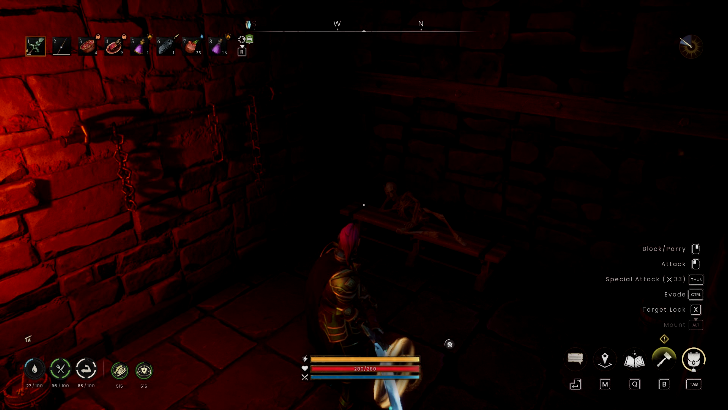
Anyway, these sacrifices in direction feel warranted because this is a game no longer limited to its 2MB browser origins. This is a bigger world, and Jagex definitely had to find ways to strip down the unnecessary parts and get straight to what the game does best: grinding.
There are still plenty of reasons to explore its world, though. As of Update 1.0, six major biomes span Ashenfall, each with its own stories and threats. My personal favorite map was Dowdun Reach, a massive legacy dungeon crawling with undead hordes and demons. It almost feels like Jagex took a page from FromSoftware’s Souls design, with clever enemy placements and plenty of frustrating platforming sections that test your patience.
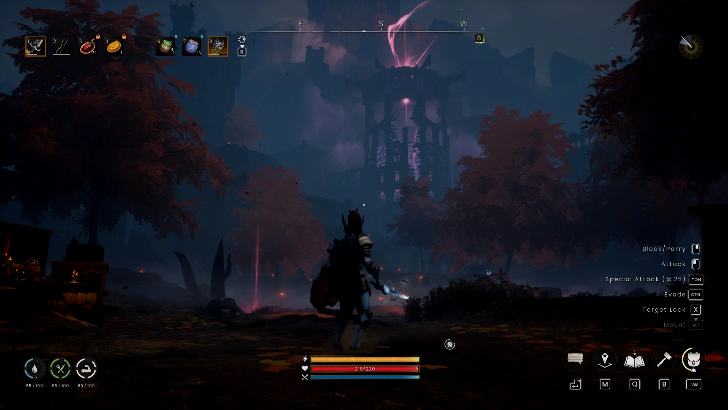
Overall, Dragonwilds knows how to keep that momentum going by giving you more and more new stuff to tinker with. Your main goal stays the same: push through Kuldra’s army of dragons and drive your sword straight into her heart. Update 1.0 has made that quest possible, but getting there takes a whole lot of grinding.
An Upskill in Both Gameplay and Design
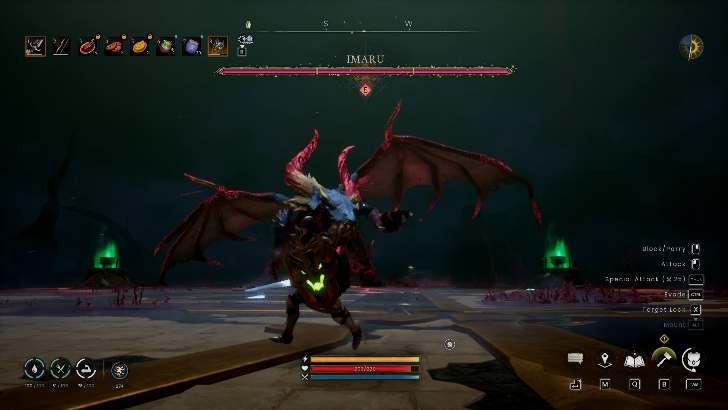
If you’ve spent more than 300 hours in classic RuneScape, you can kiss those hard-earned skills goodbye. Dragonwilds throws players into third-person combat that feels like a mix of The Legend of Zelda, Valheim, and maybe even a little Dark Souls thrown in for good measure. Combat requires careful planning and a well-stocked food supply with at least fifty Rat Roasts, so you can’t just march straight into Mordor without decent gear.
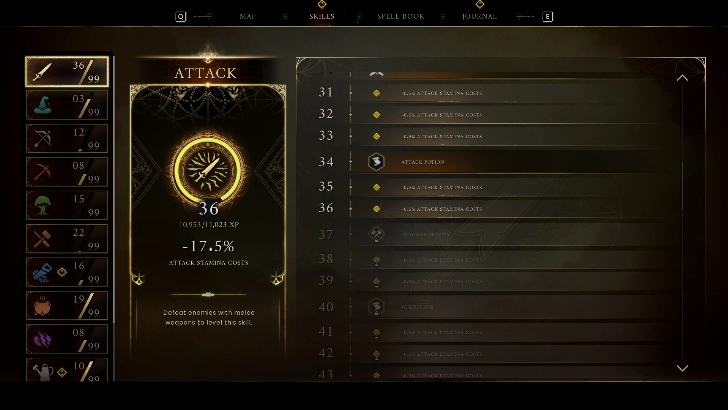
Thankfully, RuneScape’s classic horizontal progression makes a grand return. Almost everything you do in Dragonwilds, from sprinting and casting magic spells to mining and munching on freshly cooked berries, builds up your character’s various Skills while unlocking new tools and abilities. I wouldn’t be surprised if breathing gave my character extra XP too.
This progression is also faster and more streamlined compared to its OSRS version, as the many activities scattered throughout the world give you plenty of ways to grind for XP across your character’s 12 unique Skills. Every now and then, you’ll get a constant stream of “Level Up!” party pop-ups hogging your screen just like the OG, and while that might be a pet peeve for some gamers, this is exactly the kind of dopamine rush RuneScape has mastered over the years.
It’s also not a RuneScape game without its runes. Dragonwilds builds on the classic Runecrafting system, letting you cast spells and manipulate magic on the fly. With a simple press of a button, you can pull up a spellbook filled with the arcane knowledge you’ve picked up throughout your adventure. But casting all these fancy and colorful spells requires Runes as a resource, so it’s your job to craft as many as you can before heading out on your next journey.
This new crafting system is a step up from the OG, which is often branded as “tedious.” In Dragonwilds, crafting more elemental Rune essences is simplified and tied to a mini-game that doesn’t feel like a waste of time, since doing it perfectly rewards you with more resources.
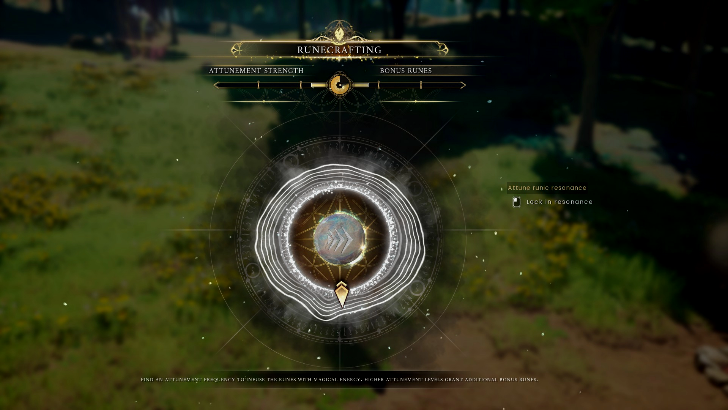
It also goes without saying that Runecrafting scales with the game’s horizontal progression. Say you love mining so much that you’ve spent hours mining Copper and Tin ores during your early grind, but you want to make the process easier. The game rewards that dedication with abilities like Rocksplosion, which lets you blast mineral nodes apart without having to swing a pickaxe.
This upward growth makes sure that whatever you’re doing, you’re never just wasting time. Even if you don’t find a particular skill worth focusing on, like brewing potions, you can still see it develop whenever you tinker with your cauldron. These skills feel earned because you can actually see the fruits of your labor with these spells that create shortcuts to the initial busywork you once had.
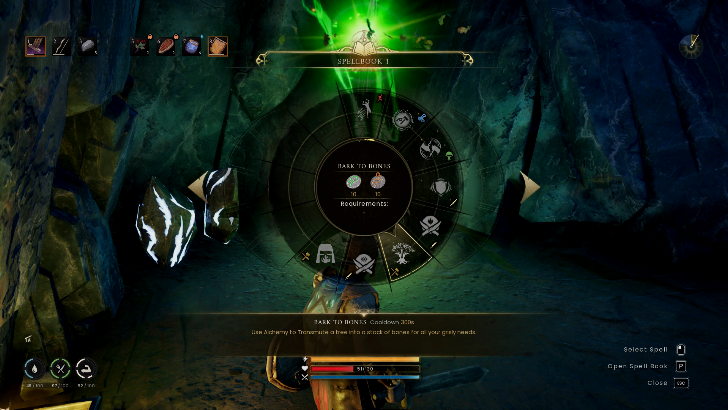
You can focus on leveling one skill at a time, but training multiple talents comes with plenty of advantages, unlocking passive abilities and new moves that help you on your journey. Meanwhile, difficulty stays tied to your individual progression rather than requiring other players to help you out. I spent my entire playthrough solo, and no boss ever felt like a pushover. Even Imaru, who’s designed to be an incredibly tough fight, is still manageable on my own.
By the time you reach the endgame, your character’s skill levels have grown alongside your own understanding of the game’s massive systems. But it never forces you to rush, since everything is designed to be played at a much more casual pace than its peers.
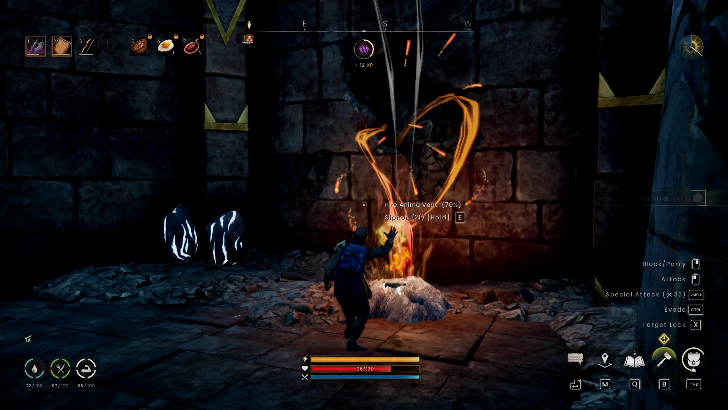
Higher levels eventually turn you into a self-sufficient hero capable of taking on even the toughest challenges and raids. That feeling of independence is the ultimate reward for any RuneScape player, and Dragonwilds still captures that same sense of achievement, even with its new survival crafting systems.
Getting Lost in All its Fantasy Busywork
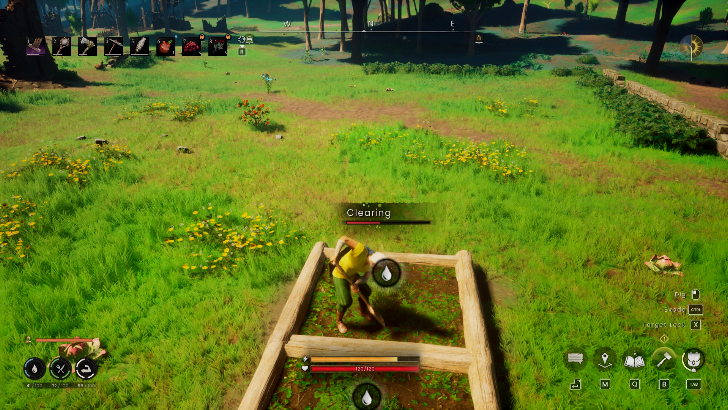
I played the original RuneScape as a kid, but that was eons ago. My time with Dragonwilds was completely different, as I got hit with its newer survival systems that kept me coming back for more. Even with all its busywork, I’ve spent countless hours grinding for that shiny new Runic Greatsword just so I can take down the pesky enemies that gave me trouble in my earlier runs. I even had the Wiki page up and ready whenever I got stuck on a complex ingredient with barely any instructions.
I’d say that grinding was well worth it because, after about 50 hours of solo play, I’ve taken down Ashenfall’s ferocious dragons, from Velgar to Fuzan, spending about 10 hours grinding in each biome before moving on to the next. It’s not a particularly revolutionary process, but watching your character slowly transform from a lowly adventurer in a yellow shirt into a hardened knight clad in heavy armor is incredibly satisfying.
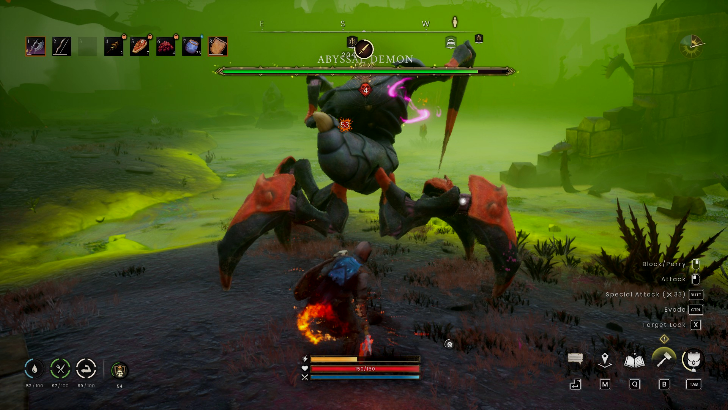
To add to its gameplay, the three default classes—Melee, Magic, and Ranged—are back in Dragonwilds, with Necromancy being the only notable omission that I suspect could be added in a later update. These classic classes are pretty much the same as their original versions, letting your adventurer pick any of the three or become a jack of all trades, master of none. You can freely swap between Dragonwilds’ pool of weapons as long as you have the inventory space. This turns boss battles into a game of strategy, like using melee weapons when a boss is on the ground and switching to a bow when it takes to the air.
It’s still rewarding to try any of these archetypes, as each skill unlocked through their progression trees adds useful battle abilities, like the Ranger’s Snare attack, which lets you lure groups of enemies into a trap before following up with a massive swing of your greatsword.
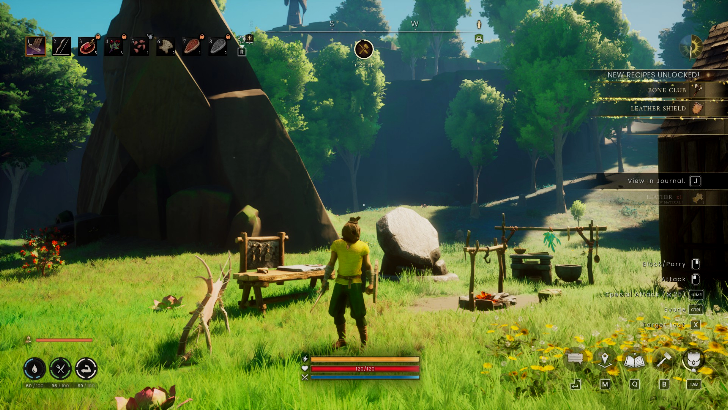
Dragonwilds’ difficulty feels accessible for both casual and hardcore players, as the game scales well without turning into a slog. But that relatively accessible difficulty doesn’t mean the missions are braindead, as some still require a bit of thinking, especially dungeons and obscure side quests that demand you think outside the box—like using your Spells like Windstep to platform your way out of harder-to-reach areas.
Base building is also a secondary priority, especially if you’re the type who enjoyed Valheim’s construction aspect. Personally, it wasn’t my favorite thing to do, since I’m more of a goal-getter who likes to head straight toward the main objective. On one hand, you have players grinding for the best gear and taking down its dragon bosses. On the other hand, you have players who are still stuck in the game’s first zone, creating their own architectural wonders while forgetting that a whole questline still exists.
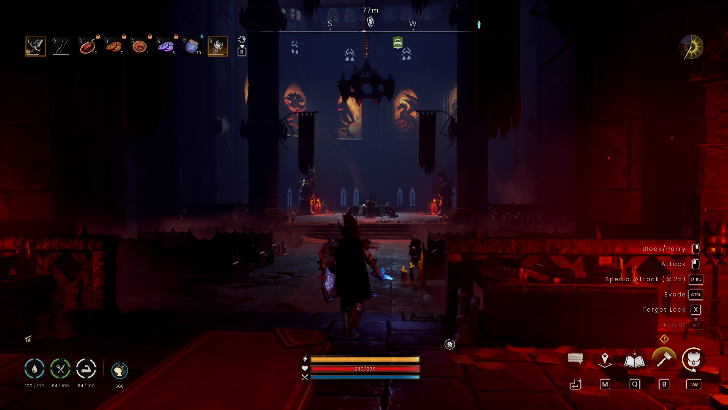
I also couldn’t help but chuckle at the sight of my measly abode, which had nothing more than a single bed inside. I’ve seen what other players can create in games like this, and I still can’t wrap my head around how much time and dedication it takes to build something truly impressive.
But anyway, this added gameplay loop of managing your own bustling sanctuary after a long journey makes the Dragonwilds experience feel like two different games. That doesn’t mean one can exist without the other, either, as both systems are necessary to beef up your character, whether it’s building contraptions like Looms to craft clothing, Blast Furnaces to process Obsidian Ores, Lodestones to make fast-travel points across the map convenient, or whatever else you need to keep your adventure moving.
Not Much to Do in 1.0
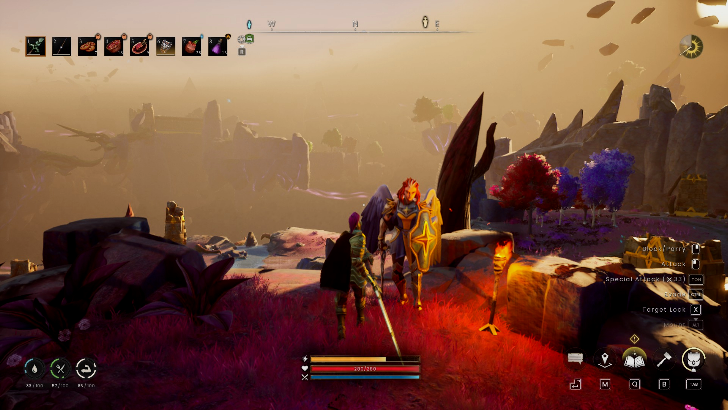
RuneScape: Dragonwilds’ 1.0 update is where things took a sour turn for me, as I audibly said, “That’s it?” after reaching the game’s final set of challenges. It’s like being handed a full-course meal first with the first five biomes, only to get the hors d’oeuvres at the end. It’s still delicious, but it wasn’t quite the order I wanted.
There’s really not much to do once you beat Kuldra beyond grinding for more powerful gear, yet even that doesn’t incentivize me when there’s no bigger threat waiting after you take down the five-headed beast. It was even more disappointing when I found out that the game’s latest biome, the Scorned Wilderness, is a smaller and more linear area, which is a far cry from the five other biomes where I got to explore, get lost, and soak in the sights.
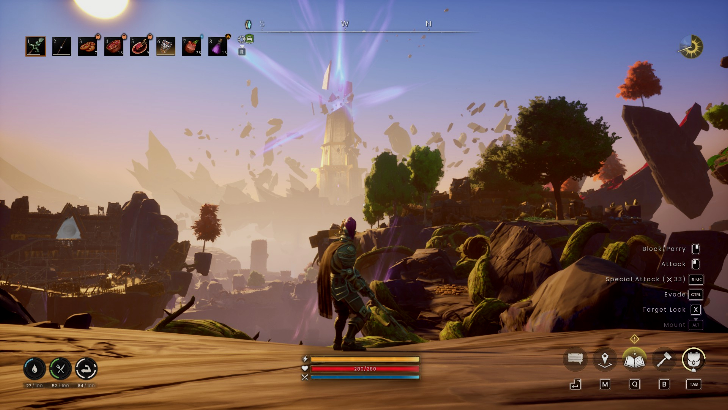
That said, the endgame area’s design is intentional: it feels like a typical MMO raid we’ve seen in games like Destiny 2 and World of Warcraft, with puzzles waiting in every corner and mini-bosses lurking around the next one. This is clearly meant to tease new endgame content for veterans. But as a solo player, there wasn’t really much reason for me to keep going, as the rewards don’t mean much when this is the only biome added in the latest update. It’s a common problem with progression-based games—players keep wanting more gear to take on increasingly harder challenges, only to eventually hit that wall of, “I’ve done everything I can. What now?”
That doesn’t mean it’s without merit, though, as it sets the stage for Jagex’s future plans for Dragonwilds, with an upcoming Winter update and more endgame content on the way.
Is RuneScape Dragonwilds Worth It?
Yes, If You’re Up for the Grind
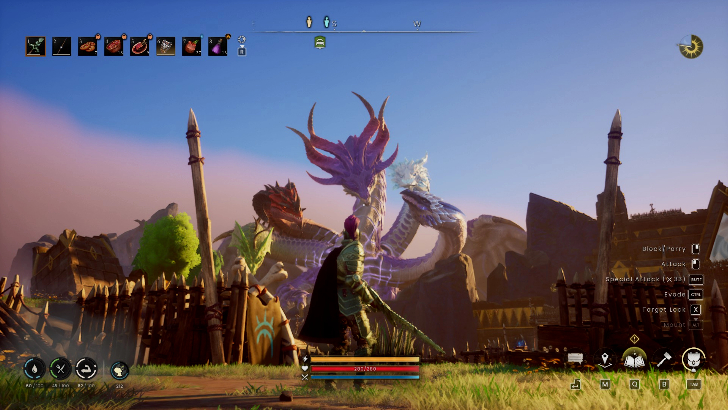
RuneScape: Dragonwilds is a fantastic evolution of its 25-year-old franchise. It’s a RuneScape game that keeps its horizontal progression and digestible fantasy lore while introducing a survival crafting system that complements its addictive grind. This makes it an ideal RuneScape game for first-time players, while also offering something familiar for old fans who witnessed that same magic decades ago, even if some parts have been dumbed down for a more casual, modern audience.
Jagex’s relentless pursuit to keep the franchise alive for almost three decades has finally paid off, with 1.0’s added systems making things even better than its Early Access phase, giving players more things to do and a whole endgame dragon to hunt. Just don’t expect much to do once the credits roll, as it’s still clearly setting up for its future roadmap.
There are still some things that need addressing, like more quality-of-life improvements such as recycling existing materials and better inventory management. But overall, gone are the days of players memeing with the overly tired “Buying GF” joke. What Dragonwilds offers is arguably the most ambitious take on the RuneScape formula yet, packing over two decades of core mechanics and ideas into one fantastic survival game that I can’t recommend enough.
How Many Players Does RuneScape: Dragonwilds Support in One Lobby?
RuneScape: Dragonwilds supports up to 4 players in online co-op, or you can play the entire adventure solo.
How Long is RuneScape: Dragonwilds’ Campaign?
A full playthrough can take around 50 hours or more depending on the grind and pacing, with potentially hundreds more hours for base building, exploration, grinding, and replaying endgame content.
How Many Biomes Are in RuneScape: Dragonwilds?
RuneScape: Dragonwilds features six major biomes to explore: Brynmoor, Ghornfell, Fellhollow, Dowdun Reach, Umbral Sands, and The Scorned Wilderness. Each biome offers its own environments, enemies, resources, and exploration challenges.









Final Verdict
RuneScape: Dragonwilds delivers a great experience with a score of 86/100.