
Overview
Nioh 3: Hell Rising is, for better and worse, a bit more of Nioh 3. It’s got some of the best-designed areas in the franchise—visually and in gameplay—and adds features that push the loop further. But its short runtime really amplifies how little new content there is. In the end, it feels more like an update than a real expansion, with a worrying promise that more is coming later.
Nioh 3: Hell Rising is the first DLC for the action RPG where you explore Edo during the Keian Era to bring peace back. Read on to see what it nails, what it fumbles, and whether it’s worth your money.
Overview
What is Nioh 3: Hell Rising?
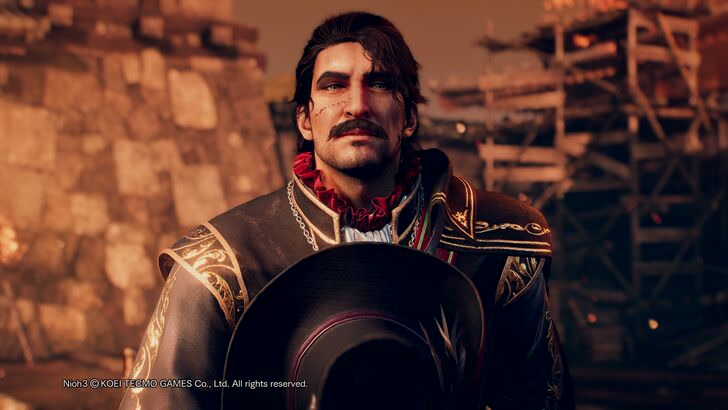
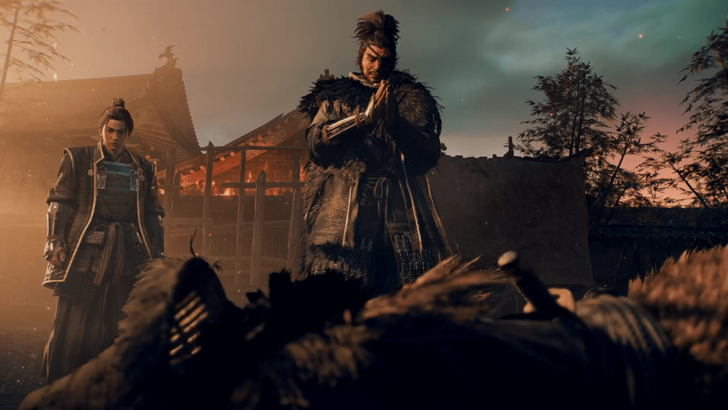
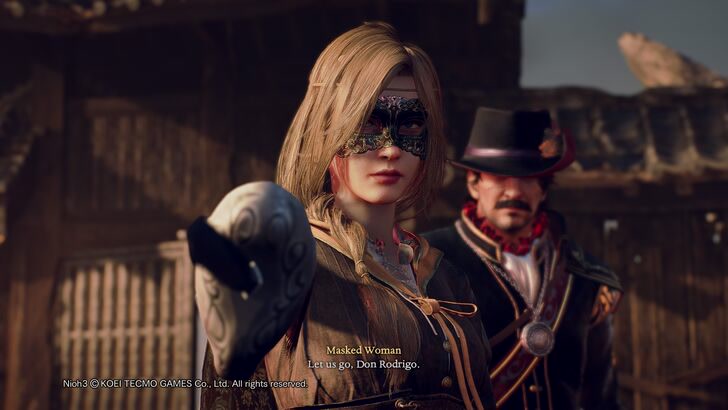
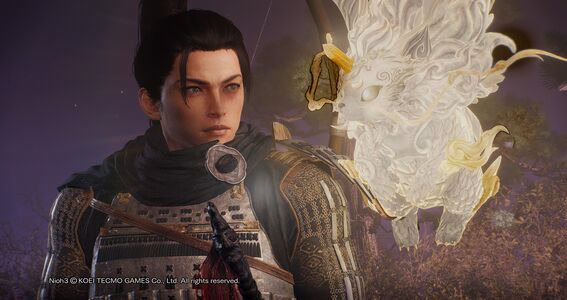
Nioh 3: Hell Rising is the game’s first DLC expansion. You follow the protagonist, Takechiyo, as a mysterious yokai whisks him to an unfamiliar future Edo. With the Crucible—the land-consuming threat—back on the rise, you team up with legendary one-eyed swordsman Yagyu Jubei and a Spanish envoy named Rodrigo to take on a new threat targeting the Shogunate.
Set in 1651 during the Keian era, the expansion opens a brand-new region of Edo, wrecked by the Crucible. It adds new weapon types: the Hoko & Shield and Ninja Hoko & Shield, plus a high-tier difficulty mode called The Enlightened One’s Journey, which unlocks bigger rewards and higher level caps.
Nioh 3: Hell Rising features:
- Keian Era Edo
- Story Continuation of the Franchise
- New Weapons, Ninjutsu, Martial Arts, and More
- New Enemies and Bosses
- New Post-Game Difficulty
- New Post-Game Accessory Progression
For more gameplay details, read everything we know about Nioh 3: Hell Rising’s gameplay and story.


Nioh 3: Hell Rising Review: For Better and Worse, It’s a Little Bit More of Nioh 3
A Noticeable Step Back in Quality
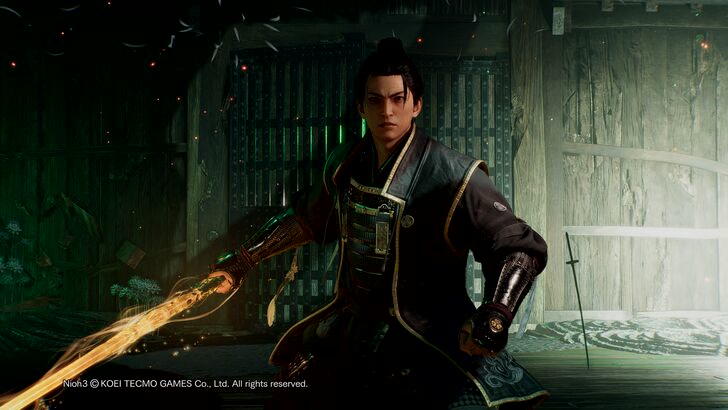
Earlier this year, I called Nioh 3 2026’s best action RPG. Sure, it was early to say that, but the gameplay loop has something special—especially in how long it takes to master all the different weapons and the sheer number of builds you can cook up. Even after six months, it’s still a strong contender for action game of the year, at least in my book.
That’s exactly why Hell Rising leaves me so disappointed.
A lot of fans—myself included—were worried when the announcement dropped. It all felt too hasty, and even with more info it still looked lackluster. Those worries turned out to be justified. Hell Rising isn’t as good a DLC as it could’ve been. It delivers what the marketing promised, but only the bare minimum of content, and it doesn’t live up to its own base game.
Plain and simple: it’s a step back in both quality and quantity, mostly because it doesn’t offer enough for what it costs. You can tell it’s meant as a setup piece for something bigger, but they absolutely could’ve added more to make the six-month wait for part two more bearable.
Back to the Future: Nioh 3 Edition
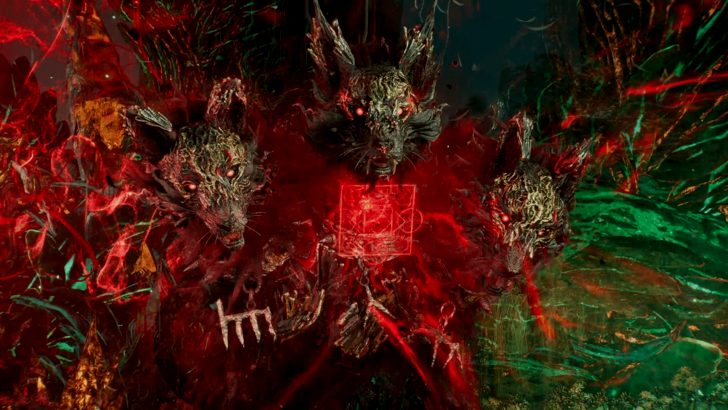
Let’s talk story. Hell Rising follows the base game’s formula almost to the letter: travel through time, cleanse the Crucible, then go look for the actual source. Guided by a disturbing dream of a three-headed yokai, Takechiyo once again travels through time to search for answers. Except this time, they’re taken into another dark future in 1651 Edo, almost three decades after they assume the role of Shogun.
In this alternate future, Edo has been turned into a nightmarish hellscape by the Crucible again. The Takechiyo of this timeline recently died, leaving the shogunate leaderless against invading rebels. And if that wasn’t enough, foreign alchemists are exploiting the chaos, and a growing number of yokai have wrecked any chance of retaking the town.
The premise does a decent job painting a future long after Takechiyo’s reign, and hints at the complications you’d expect from a franchise that loves meddling with timelines. It’s not a great picture, but it serves to push the story into something bigger—the DLC has left the base game’s self-contained arc and is trying to merge into the franchise’s overarching narrative.
That’s what I mean when I say it’s mostly setup. The unceremonious return and death of a recurring character, plus the alchemists and foreign forces showing up in Edo, are all signs of things to come. And if it wasn’t obvious, the ending has Takechiyo chasing the big bad to another time yet again. It follows its own formula exactly, just like almost every major chapter in the base game.
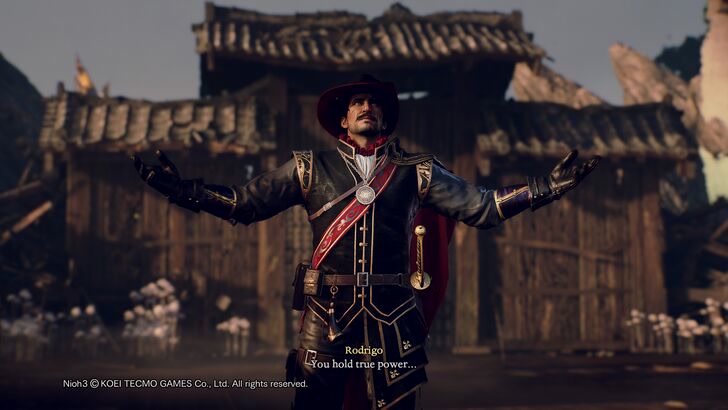
Unfortunately, that’s also why it’s a problem. For context, the base game had smaller plot threads for each time period, but they mostly served as filler for the main story of Takechiyo chasing his brother. Hell Rising is basically the same. The whole dark-future story stops being interesting right after the title drop.
And no, it’s not because of the open-world design. The plot is just forgettable. The DLC’s short runtime compounds the issue—there’s simply not much story to tell. It feels like Takechiyo shows up, sees a future where he died, shrugs, and goes hunting for the Crucible’s source again.
Best Level Designs in the Franchise So Far
In sharp contrast to the weak story, the level designs here are the best the franchise has ever seen. One of the best things about the base game was its well-executed open-world approach—it never got boring exploring those big maps.
In Hell Rising, it’s more of the same but vastly improved, with every area standing out from the last. From the ruins of Edo Castle to the caverns of Koishikawa all the way to the flooded streets of Ueno, each place looks and lays out differently. Beyond the visuals, areas are designed to feel like individual missions, like in the series’ earlier games. That means tighter spaces with fewer checkpoints. Honestly, it feels like the best of Nioh 2’s stage layouts crossing into Nioh 3’s open world—and that’s the best of both worlds.
A Different Kind of Sword and Board
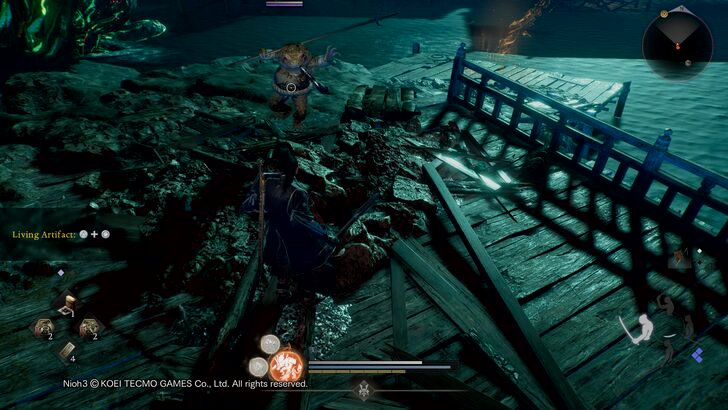
Next up: the new weapons—the Hoko and Shield for Samurai, and Ninja Hoko and Shield for Ninja. It looks like a classic sword-and-board setup from any fantasy RPG, but with Nioh’s spin. Even though you’ve got a shield, this is actually one of the most aggressively designed weapons in the game. Shield attacks and certain abilities have built-in parry points that let you deflect mid-combo. Think Monster Hunter guard points on the Charge Blade or Sword and Shield—and that’s on top of all your Style’s regular defensive tools.
I know what you’re thinking: “Same weapon for both Styles!” But because of how Samurai and Ninja play, they feel quite different.
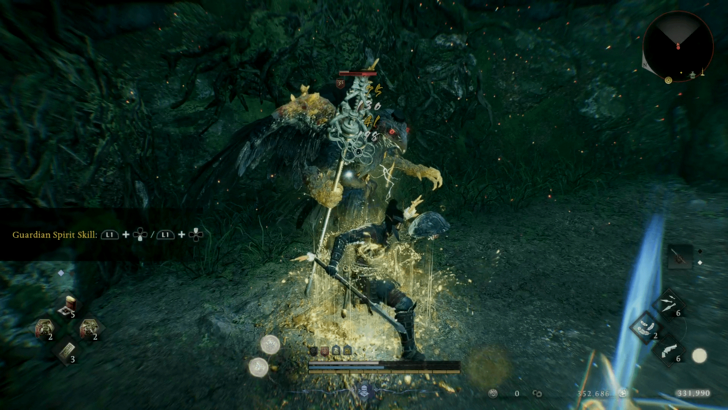
Samurai wants to loop abilities to keep regaining and spending Arts Proficiency for more damage. Your combo routing means finding ways to loop abilities while adapting to enemy patterns to stay on the offensive. Ninja, on the other hand, is more straightforward: lean on those extra parry points for defense, plus the style’s stronger dodge and Mist to cancel combos.
It’s a fascinating weapon that fully shows off the depth of Nioh 3’s weapon system. I didn’t play it through the whole DLC, but I get the appeal—it really stands out in an already loaded roster.
Reuse, Recycle, and Reintroduce
A couple of progression systems return from previous titles. Hell Rising adds a New Game++ option in Journey to Enlightenment, where you can keep grinding for perfect builds and challenge even tougher foes. It also brings back the Hundred Demon Realms Picture Scrolls—unique accessories earned from encounters with random modifiers. In past titles these were the creme de la creme of endgame gear, and yes, you’ll still rely on RNG to get the scrolls you want.
There’s also new Grace Effects for the end-endgame grind: randomized set bonuses for gear that doesn’t already have set bonuses, for peak spreadsheet-level optimization.
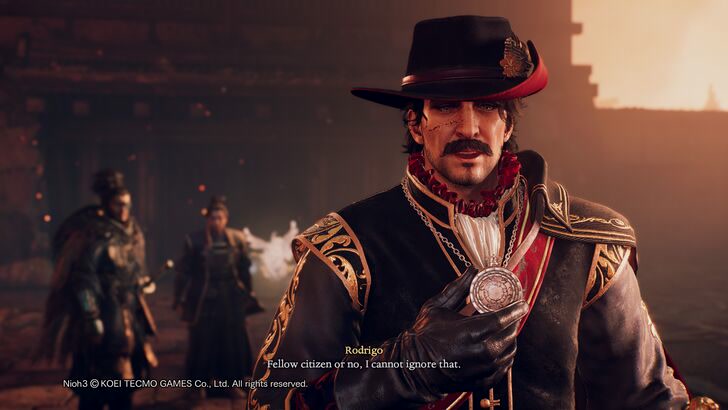
It’s a bummer that NG++ doesn’t change enemy placement much, but it still does the job of feeding Nioh’s endless grind. It keeps testing your build and skills against tougher bosses. The Hundred Demon Scrolls add another layer of perfection to chase, plus more varied encounters to break up the repetition.
But that’s the end of the good news.
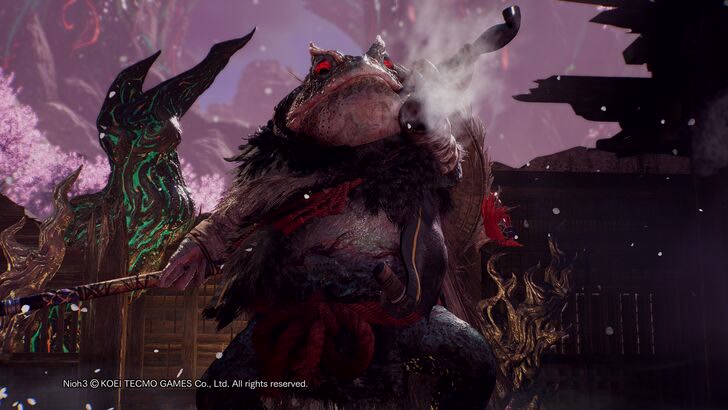
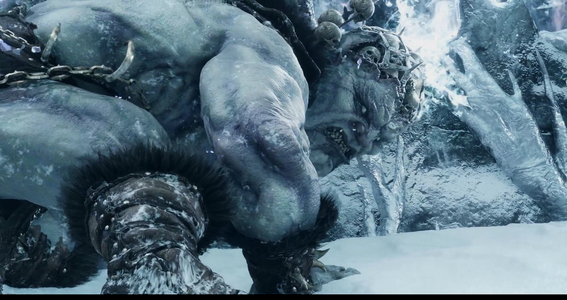
Anyone who’s put serious hours into Nioh 3 will tell you it suffers from a lack of enemy variety. I’d argue the real issue isn’t a lack of new yokai, but not using them enough in favor of older units. Sadly, Hell Rising doesn’t fix this—it doesn’t add enough new enemies, and doesn’t even bring back iconic yokai like Onyudo or Namahage from past games. I’m not against recycling enemies in a franchise that already has a massive roster, but in a game meant to be replayed endlessly, predictable enemy placement gets repetitive fast.
Definitely Not Enough Content
Unfortunately, the short runtime and lack of truly new content make the whole thing feel lackluster. The DLC advertises new obtainable Guardian Spirits—but in reality it’s just one, specifically for Ninja. And it’s a Counter-focused spirit, which isn’t even the Ninja Style’s specialty. Baffling, and just one of many reasons there’s not much else to enjoy after one playthrough.
Speaking of which: the DLC runs about 7-8 hours including most side content. For an open-world game, that’s criminally short. Beyond repeating Hundred Demon Picture Scroll encounters, there’s not much left.
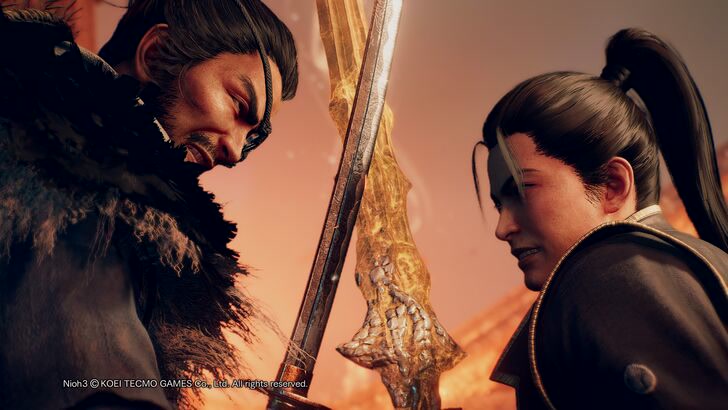
Worse, much of the “new” content is just repackaged stuff. New abilities for existing weapons? Some are just enhanced versions of what you already have. New armor sets? Some are recolors. And the DLC ends on a cliffhanger—not even a good one. It all went by so fast I actually said, “That was it?” out loud.
Is Nioh 3: Hell Rising Worth It?
Best If You Wait For a Sale or For the 2nd DLC
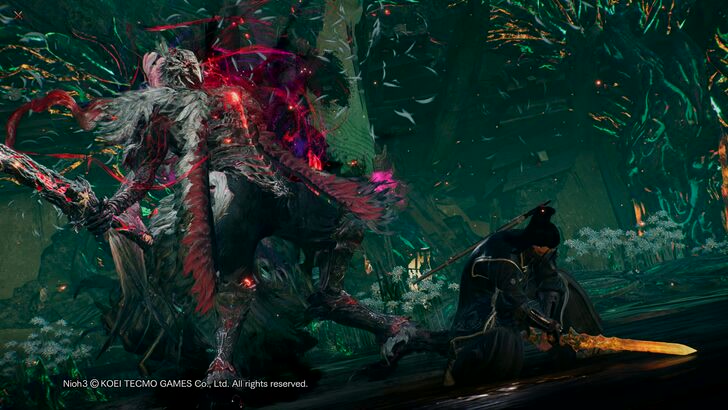
Hell Rising is not the greatest DLC for a game of this caliber. As of writing, I wouldn’t recommend it unless it’s on sale or until February 2027 when the next DLC drops. It doesn’t offer enough to hook people, even fans of the genre and franchise. Credit where it’s due: stage design, the returning progression systems, and the new weapon are all strong, welcome additions.
But even so, it feels incomplete—more update than expansion. It’s like Team Ninja pushed out the bare minimum instead of going all out for a franchise that just had a huge direction shift. Personally, I’m worried about the next DLC; it’ll have to be a showstopper to turn this around.
How Do I Start Nioh 3: Hell Rising DLC?
Players must complete the base game first before being able to play the Hell Rising DLC.
Are New Weapons and Armor Obtainable From the Base Game If I Have the Nioh 3: Hell Rising DLC?
Yes. The new Hoko & Shield weapons and new armors are obtainable in the base game if you have the DLC.


Final Verdict
Nioh 3 delivers a average experience with a score of 78/100.