
They said it couldn’t be done. For years, having Metal Gear Solid 4: Guns of the Patriots outside of its 7th-generation home was nothing more than a pipe dream. MGS 4’s legacy as a mythical, unattainable experience forever confined to the PlayStation 3 almost preceded the game itself, made more alluring by the fact that it pushed that console to its absolute limits. Nearly two decades later, it’s finally free, and it turns out the game underneath all that legend was always worth playing.
Metal Gear Solid 4: Guns of the Patriots is a stealth-action game developed and published by Konami. Read our review of the remaster to see what it does right, what it doesn’t, and our overall thoughts on the game.
What is Metal Gear Solid 4: Guns of the Patriots (Master Collection Version)?
It’s the 4th mainline numbered entry in the Metal Gear Solid series, originally released on June 12, 2008 for the PlayStation 3, developed by Konami and directed by Hideo Kojima. Guns of the Patriots follows Solid Snake on a final mission to defeat the Patriots’ shadow government and end the perpetual cycle of war around the world. The game has been ported and remastered for modern consoles as part of the Metal Gear Solid: Master Collection Vol. 2 compilation, which is releasing on August 27, 2026.
In practical terms, you’re getting the definitive way to play Metal Gear Solid 4, the classic stealth-action gameplay with multiple weapons, the finale to the Metal Gear Solid story, beautiful cinematic art and sound design, and multiple unlockable difficulty modes and collectibles.
For more gameplay details, read everything we know about Metal Gear Solid 4: Guns of the Patriots (Master Collection Version)’s gameplay and story.





Kept You Waiting, Huh?
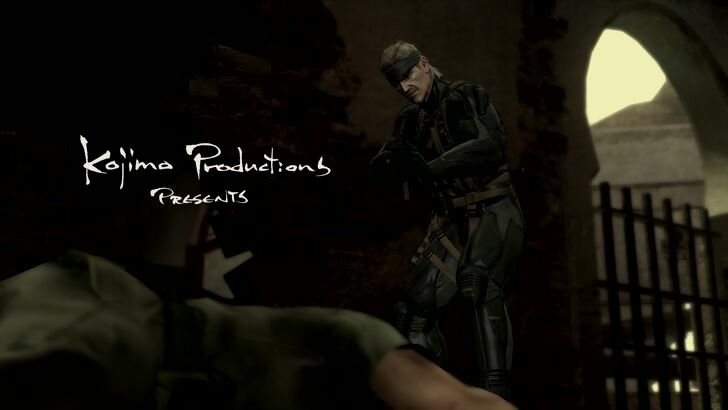
MGS 4 is a stealth-action game originally released in 2008 as the PlayStation 3 exclusive, and it serves as the conclusion to the legendary Metal Gear Solid series, seeing Solid Snake sneak his way through one last fight against The Patriots and the war economy. For years it simply didn’t exist anywhere else, and that scarcity did half the marketing for it.
Upon its original release, Metal Gear Solid 4 was heralded as a masterpiece and a crucial system seller for the PlayStation 3. Eighteen years later, though, the game’s flaws and shoddy performance on its home console have been magnified by its lack of availability anywhere else, even when other Metal Gear Solid games have gone multi-platform. MGS 4 was specifically designed for the PS3’s Cell Architecture, a notoriously complex system to develop for back then, so the idea of it ever escaping the platform was always seen as impossible.
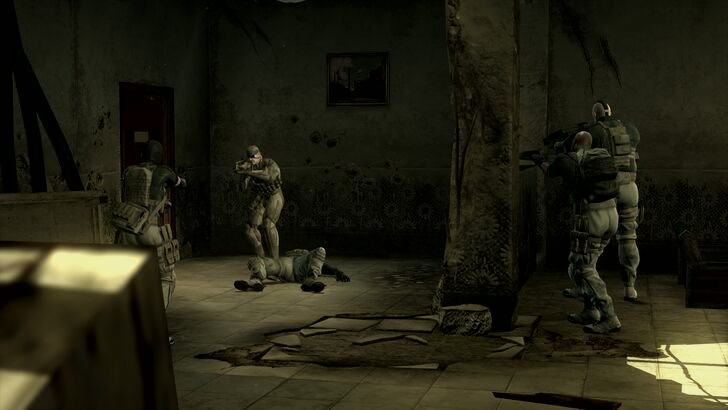
Thankfully, unlike the previous Master Collection, Konami has approached MGS 4’s arrival on modern platforms with the gravitas it deserves. The remaster runs at near-perfect performance on consoles like the PlayStation 5 while still remaining the same divisive masterwork, with most of its peaks and valleys intact. For fans of the series, this is the definitive way to play through Metal Gear Solid’s ambitious, triumphant finale.
Runs As Well As It Plays
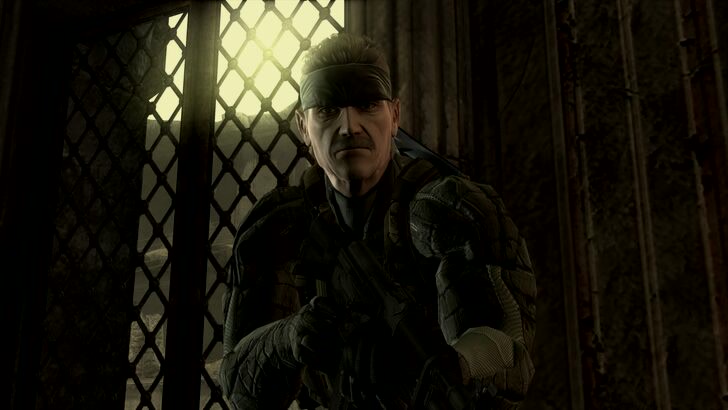
The most crucial part of remastering a game like Metal Gear Solid 4, one whose history and significance precede it, is toeing the line between preservation and improvement. Konami mostly succeeds at maintaining that balance, with Guns of the Patriots feeling right at home on modern consoles without losing what made it special all those years ago.
On PlayStation 5, Metal Gear Solid 4 runs at a mostly steady 60FPS while targeting a 4K resolution. I noticed some minor hiccups during intense sequences and one specific cutscene staying at the original frame rate, but for the most part none of these reached the game-breaking lows of the PlayStation 3 original. Older and less powerful hardware like the Nintendo Switch and Xbox Series S may see reduced performance, with the Switch 1 expected to run it closest to the PS3 original. As far as current-gen hardware and PC is concerned, the game is in its best state.
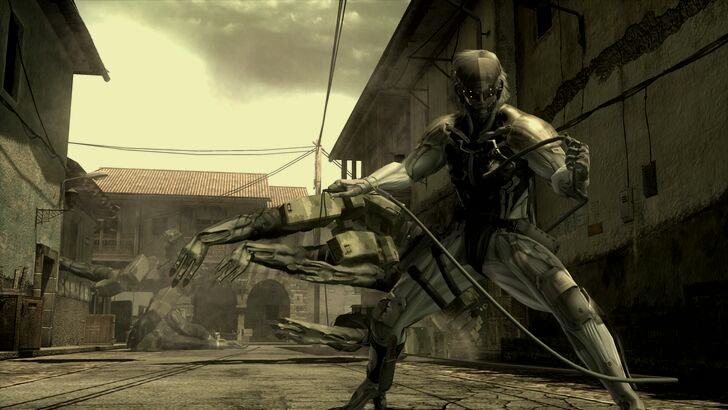
That consistent frame rate does a lot for the game. The smoother performance is instantly noticeable, and thankfully 60FPS only elevates the gameplay rather than breaking its meticulous character models, animations, or hitboxes. The long loading screens and installation screens of the past have been decimated, which greatly helps the pacing. It’s fitting, for a game as ambitious as MGS 4, that it took 18 years for gaming tech to give it the breathing room it needed.
As a remaster, Metal Gear Solid 4 remains mostly the same content-wise. All the voice-acting and performances are unchanged, as are the cutscenes and gameplay sections. MGS 4 is still the same divisive entry that alienates newcomers and celebrates the series, and I wouldn’t want it any other way.
MGS 4 Has Changed, But Not By Much
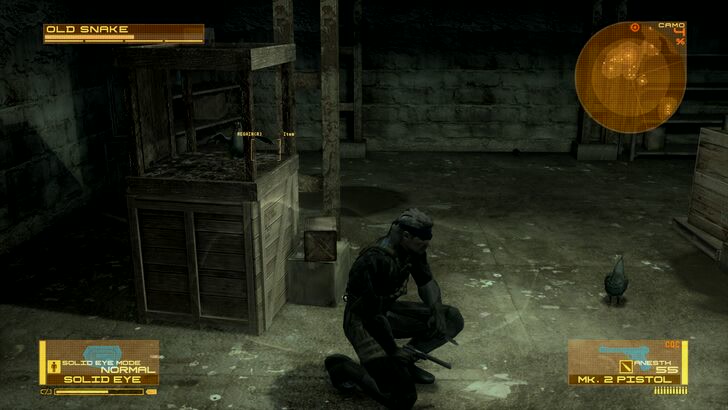
That said, the remaster does come with a slew of alterations to the original that are noticeable but don’t break the game in any way. They range from fantastic quality-of-life changes to unfortunately cut side content, with some quirky brand-related adjustments in between.
The biggest are control changes: aim and shoot now live on the analog triggers, and the pressure-sensitive button presses from the original have been remapped. Those changes make the game feel more natural and in line with modern shooters, and taken alongside the better performance they make Metal Gear Solid 4 an absolute blast to play.
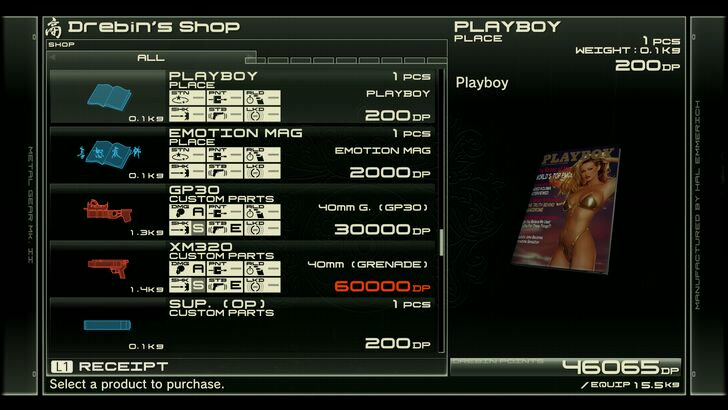
Improvements to shadows and textures are subtle but noteworthy in helping the game transition into current-gen hardware. The omission of Metal Gear Online 2, MGS 4’s original online mode on the PS3, is a shame, though. Given its markedly different approach to multiplayer compared to Peace Walker and Phantom Pain, it would’ve been a fun aside after finishing the game.
Metal Gear Solid is no stranger to blurring the line between game and reality, particularly through real-world brands in the narrative, the most prominent being Sony itself. Somehow, this remains mostly unchanged, with Apple, Playboy, and Regain products all still prominently featured in the remaster.
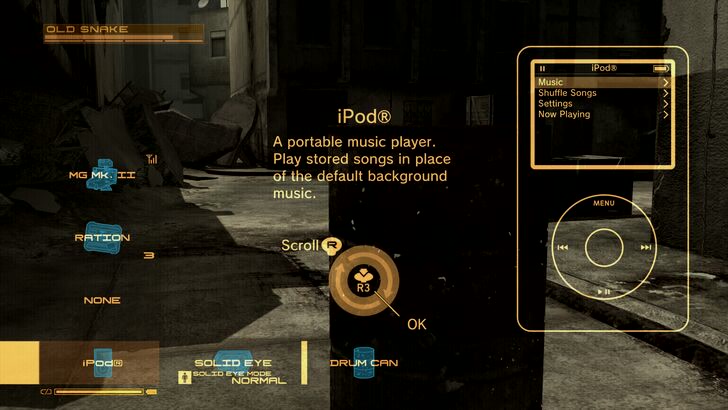
Direct references to the PlayStation 3 have been updated to reflect the current platform, cutting out references to Blu-Ray tech entirely, while the PlayStation 1 still appears in a flashback against a specific boss. It remains to be seen whether the PlayStation-specific references stay on non-Sony platforms, since the previous Master Collection omitted them entirely, but it’s a fascinating move toward total preservation nonetheless.
All Things Must Pass, All Snakes Must Fade Away
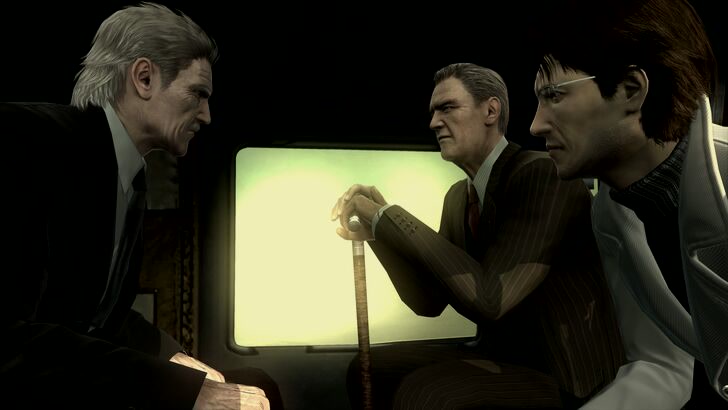
Metal Gear Solid 4 is a game about war, which makes it especially fitting that the story is at war with itself. That narrative dissonance does make certain fans’ frustrations with MGS 4 quite reasonable. I’d argue, though, that it’s in this internal conflict that the story shines as a unique, hauntingly poignant tale about the passage of time that has remained timeless.
MGS 4 centers on Solid Snake, the first game to feature him as the main protagonist since the first Metal Gear Solid. Now suffering from accelerated aging thanks to his clone genetics, Snake has been recruited out of retirement by Roy Campbell to assassinate Liquid Ocelot. The narrative soon unfolds into a race to retrieve the remains of Big Boss, preventing Ocelot from gaining control of the Patriots AI, and dismantling the War Economy altogether. It’s a story that defies brevity because it expects you to know what any of this means, and it’s the absolute worst place to start with Metal Gear Solid if you’re a beginner, full stop.
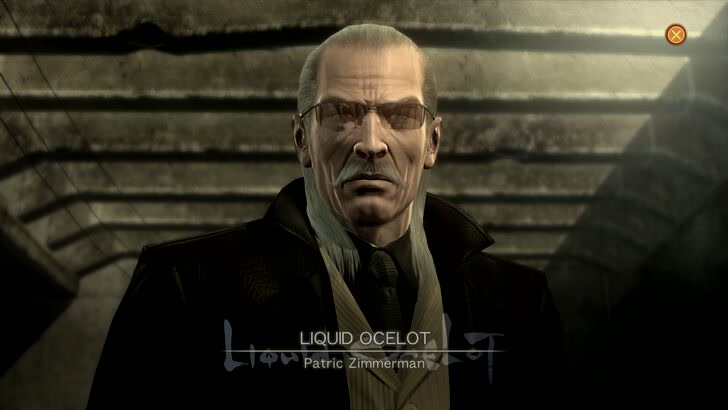
That, ultimately, is the point. Metal Gear Solid 4 brilliantly weaponizes the player’s nostalgia against them to make a beautiful statement about letting go and moving on. This is most potent in Act 4, which sees Snake and Otacon returning to Shadow Moses Island. What ensues is one of the most haunting, moving story segments in any game I’ve played.
That first Metal Gear Solid is a special game to me. It’s one of the first games I’ve fully beaten and fallen in love with, and I’ve since played through most of the series, including Ghost Babel, which I’m glad is included in this collection, and shared it with friends and loved ones. MGS 4 understands that the relationship between players, the series, and their memories is not just personally significant. It fundamentally guides how they engage with Guns of the Patriots as a game and as a text.
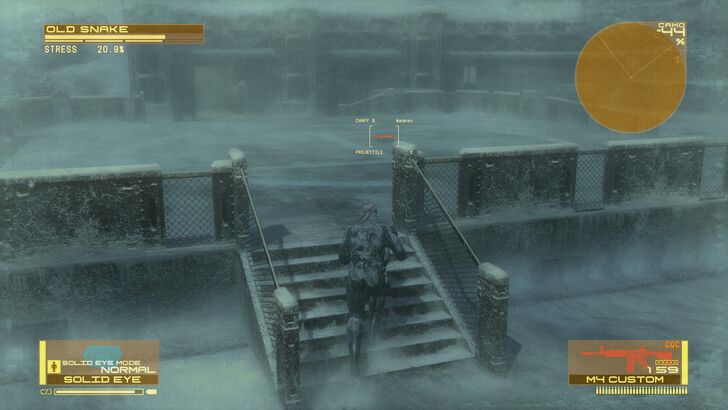
Revisiting Shadow Moses is an absolute treat, from the many callbacks to the original game to the easter eggs and fun codec calls between Snake and Otacon in familiar locations. On many levels it really does feel like a loving nostalgia trip for long-time fans. It’s different now, though. Both you and Snake are older, no longer the people you were all those years ago, and that makes all the difference.
You’re no longer sneaking around a living military base writhing with danger. You’re blasting through an empty shell full of robots and undead soldiers living off borrowed time. Shadow Moses is a decayed husk of its former self, kept alive by an arrogant, selfish need to keep its past glories, the Metal Gear Rex, alive. When voice lines from the original Metal Gear Solid start playing in empty hallways, it’s almost as if MGS 4 is mocking you for revisiting the place.
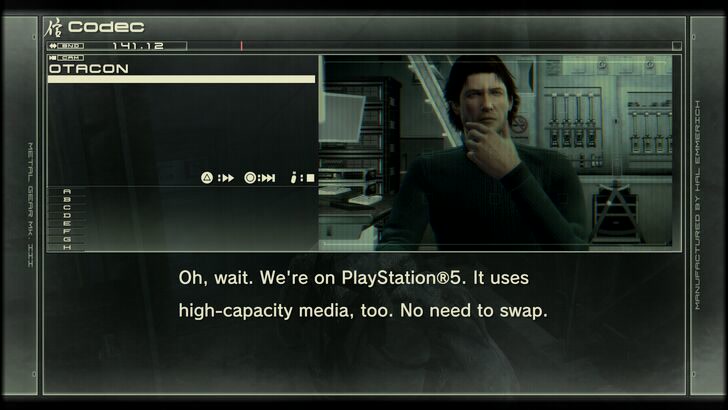
Even when you leave Shadow Moses, the epicenter of your memories and past glories, the job still isn’t over. In fact, the hardest part of your mission has only just begun. It’s in this simultaneous love for the past and repulsion for keeping it alive that Metal Gear Solid 4 remains a timeless statement about grief, obsolescence, and the sheer necessity of moving forward. Everything about this game, from Snake’s old age to the story’s gorgeous ending, focuses precisely on those themes and the idea of closure.
It’s not an airtight narrative. It stumbles in the middle and handwaves away the sci-fi mysticism of the series through convoluted concepts like nanomachines, midichlorians anyone? That doesn’t take away from the grand thesis, though: you can celebrate the past and love it, but to keep it alive in perpetuity is to kill what made it special. It’s okay to let go, let the mission end, and live for yourself.
The Last of Classic Tactical Espionage Action
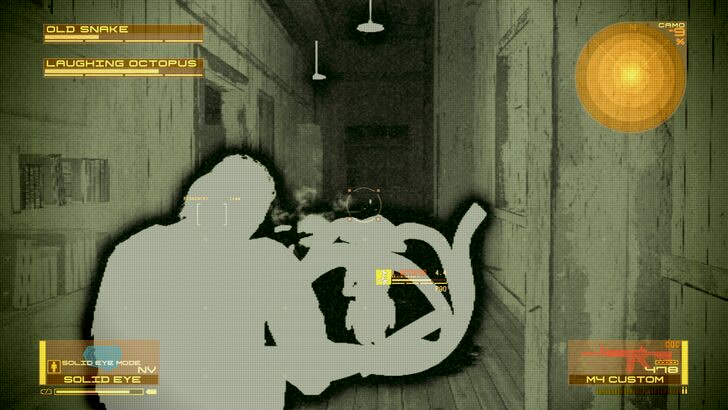
MGS 4’s biggest detractors will say the game is just as much of a movie as it is a game, and they’re not entirely wrong. What gameplay is here, though, is the same Metal Gear Solid stealth gameplay fans have come to love.
The fact that Guns of the Patriots is currently bundled with Peace Walker represents a fascinating stylistic transition between the classic MGS’ more closed-in, methodical stealth and later games’ equal focus on mission-based story structure and base management. To that end, Guns of the Patriots is the last game that plays like its predecessors, and it’s at its strongest in the remaster.
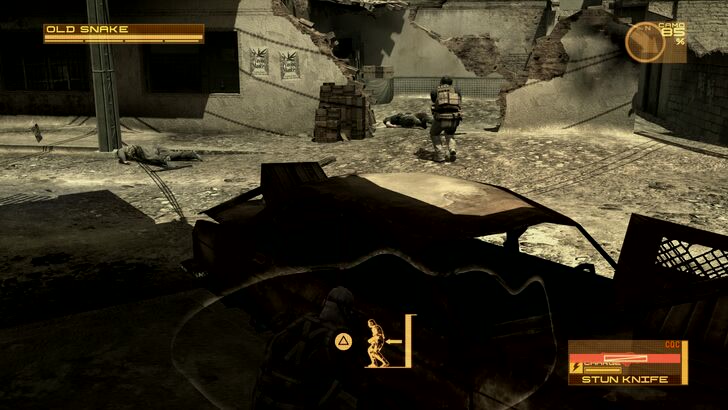
Acts 1 and 2 are where the game displays its concept of wartime stealth the strongest, and gameplay-wise the game almost peaks there. Sneaking through active warzones and being incentivized to avoid detection is nothing short of thrilling, and level design across both the Middle East and South America remains sprawling in its ability to give players places to sneak around and plan.
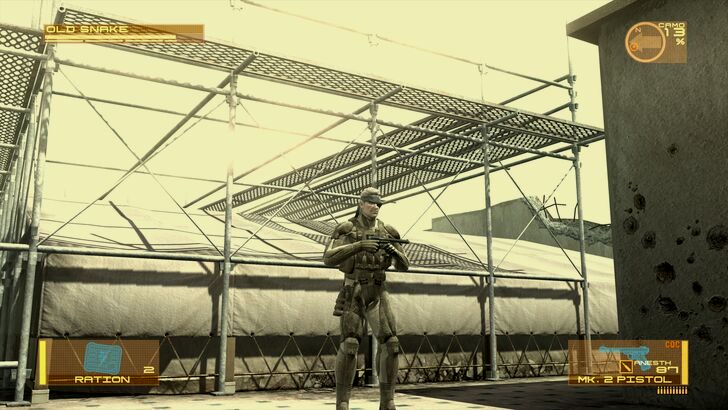
The new tools Snake uses are fun too, even if they’re a bit more simplistic than past games. Octo-Camo is a mostly streamlined take on Snake Eater’s camouflage system, with the suit taking its patterns from the environment. The Solid-Eye item makes exploration a tad easier, though it comes at the cost of being tied to a resource.
The most divisive part of Snake’s arsenal is the weapons shop, run by the mysterious arms dealer Drebin and his smoking pet monkey. Instead of on-site procurement like in previous games, weapons and ammo can be bought using in-game currency. It’s a convenient way of getting new weapons, but it takes away from the magic of finding a new tool out in the world.
Even in later Acts, which take you off the battlefield and into specific setpieces, the focus on stealth and even non-lethal combat remains. Acts 3 and 4 still punish players for recklessly moving into enemy sightlines, while Act 5 has perhaps one of the most brutal sneaking sequences right at the beginning. It may have been a swan song, but what a way to go out.
Linearity and Consistency on High Alert
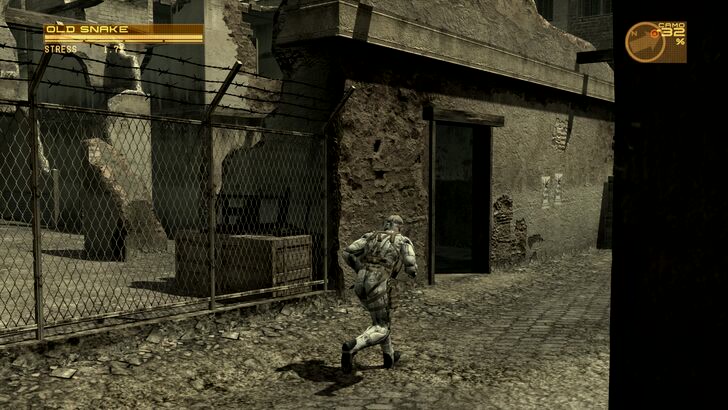
All of this results in stealth gameplay that still lets players be creative, but one that rewards exploration much less than older games. The levels, linear as they are, still give you enough space to sneak around and create your own routes. You can approach the battlefield your way, whether that’s throwing food or dirty magazines at soldiers to distract them or just shooting everyone in the head with a tranquilizer dart. It’s MGS’ stealth combat at its best.
However, taking the long route or backtracking is practically useless now, while the game seems eager to push you along to the next setpiece or cutscene. These are usually great, but the game does hit a bit of a wall in the middle. Specifically, Act 3 has players performing a stealthy trailing mission in Eastern Europe that can drag on far too long and offers too little room for error.
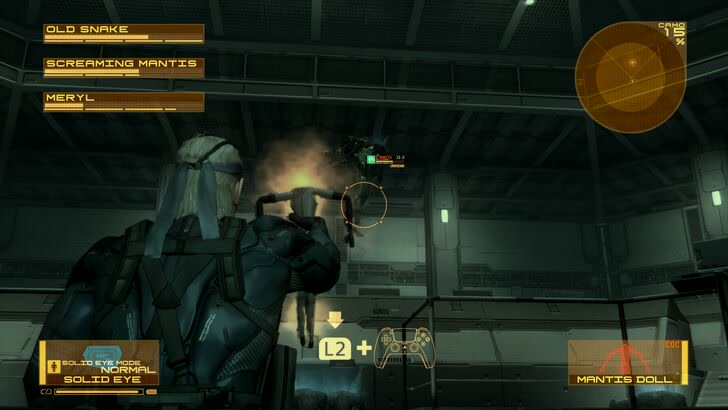
The game thankfully picks up on the return to Shadow Moses, but what remains entirely inconsistent are the boss battles. The recurring bosses, the Beauty and the Beast Unit, are neat callbacks to MGS 1’s bosses but lack their narrative urgency and creative solutions for the most part.
Meanwhile, the main story bosses, such as the Metal Gear fight and the final boss fight against Liquid Ocelot, are some of the best boss fights in any Metal Gear Solid game. The latter in particular is an emotionally thrilling fight that I can proudly call the best final boss in the series. Yes, even better than Snake Eater’s The Boss. Fight me.
Like Old Snake: Visibly Aged, Eternally Cool
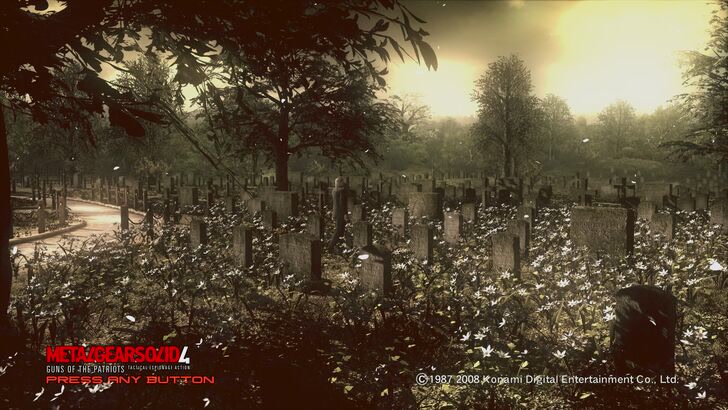
Metal Gear Solid 4: Guns of the Patriots is a game with a reputation that precedes it: a game that nearly broke the PlayStation 3 and was forever trapped on it, a clear point of contention for Kojima and Konami, and a convoluted mess that later installments would ignore. This remaster finally lets MGS 4 shine not as any of those things, but as a precise gaming experience that has finally found room to breathe.
A simple upscale and frame-rate change might seem inconsequential for most games, but for one as ambitious as MGS 4 it makes all the difference. Already heralded as one of the best-looking games of its generation, Guns of the Patriots finally exists in its most uncompromising state. The performance and resolution updates only highlight how strong the art direction and world design always were, even under the muddy veneer of 2008-era browns and greys.
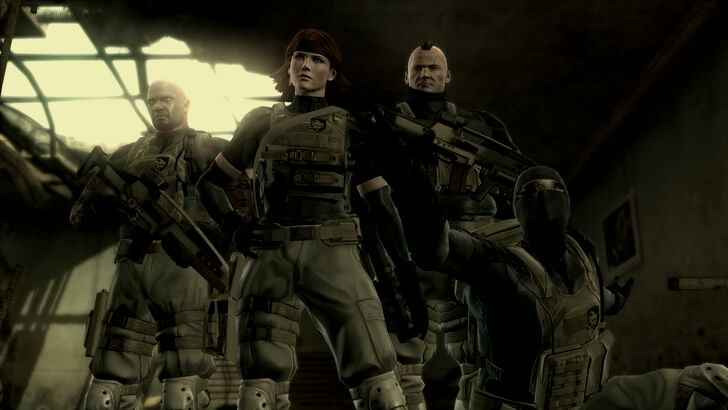
Even now, 18 years later, Metal Gear Solid 4 looks fantastic. It certainly shows its age, with muted color tones and even a few slightly lower-resolution textures on the remaster, but the character design and models, cutscene direction, and lighting are as beautiful as ever. Old Snake and Raiden’s designs are strikingly morose yet effortlessly cool and futuristic, while other characters have been appropriately aged up and look their best in the game.
The world and its levels are beautifully distinct, with lighting and atmosphere that feel ahead of their time, while the UI and enemy design retain that futuristic sci-fi look Kojima has envisioned since Metal Gear Solid 2. Whether it’s character design, UI, or cutscenes, the visuals in MGS 4 are laser-focused on telling the story, and both are elevated as a result.
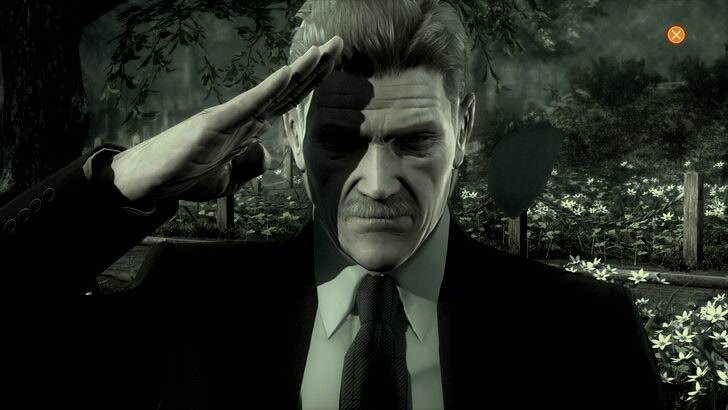
On that note, MGS 4’s cutscenes still remain gorgeous. They’d have to be, considering how much time they take from the overall experience, but their direction and the performances they contain are fantastic forms of exposition all the same. Cutscenes in MGS 4, long as they often are, are always well attuned to every story beat, from the weary desperation of normal exposition to the emotional tearjerkers to the funny moments and bombastic action setpieces in between.
Even better, thanks to the remaster’s performance fixes and lack of long loading screens, their pacing feels much less staggered. If the world-record amount of cutscenes in the original was a pain point before, the game is much more worthy of a revisit now.
MGS 4 Gets The Ending It Deserved Too
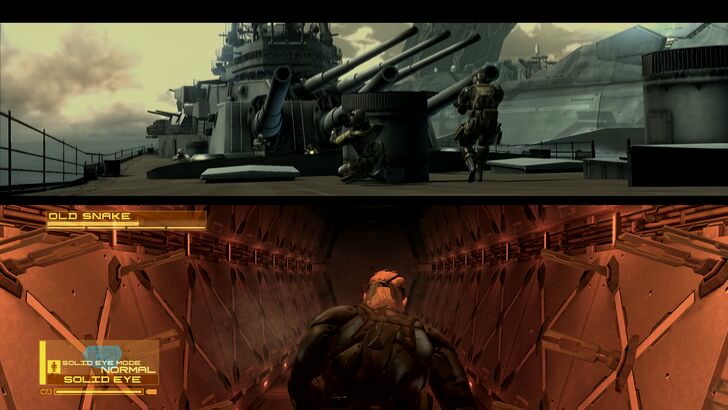
Metal Gear Solid 4 is a tale of binary philosophies, fitting for a game and series that clearly loves its science-fiction predecessors. Ardent love and passion on one hand, deeply embedded cynicism on the other: it asks us to keep the past alive while begging players to learn when to move on to better things. You and Snake brave tedious boss fights and long cutscenes, but you both get to enjoy one of the most moving and unique narratives in the medium, one that uses the fantastic gameplay to its fullest potential.
What really locked Metal Gear Solid 4 in as a timeless classic for me, even as someone who never got to finish the original 2008 release, was that iconic microwave hallway sequence. Snake, barely able to stand, overcome with pain and a world-weariness he has long since earned, fighting through immeasurable agony for a world he’ll never live to enjoy. You, desperately mashing that Triangle button as your hand starts cramping, watching the chaos around you unfold and refusing to let go. In a rare gaming moment, it genuinely brought me to tears.
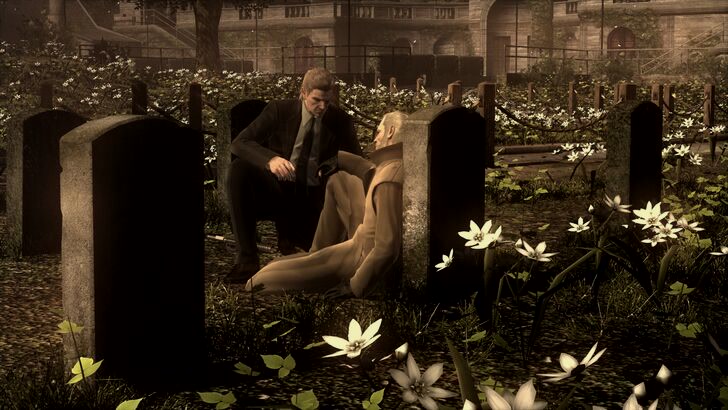
That moment, at the tail-end of the experience, is the crescendo of Metal Gear Solid 4’s brilliance. It makes the final boss fight and the ending land with immense weight and is a prime example of how MGS has perfected ludonarrative harmony. In its newest, most uncompromised state, Metal Gear Solid 4 justifies the series’ prestige and why this remaster was so important in the first place.
Despite its complicated legacy, manifest cynicism, and deeply embedded flaws, Metal Gear Solid 4 still stands tall as a stone cold classic. Other Metal Gear games have come out since, which is ironic given this game’s core thesis, but none have had the finality and vision that this one has. For a series as ambitious and unique as Metal Gear Solid, it’s the conclusion it deserved.
Is Metal Gear Solid 4: Guns of the Patriots (Master Collection Version) Worth It?
A Must-Have Strictly for Series Fans
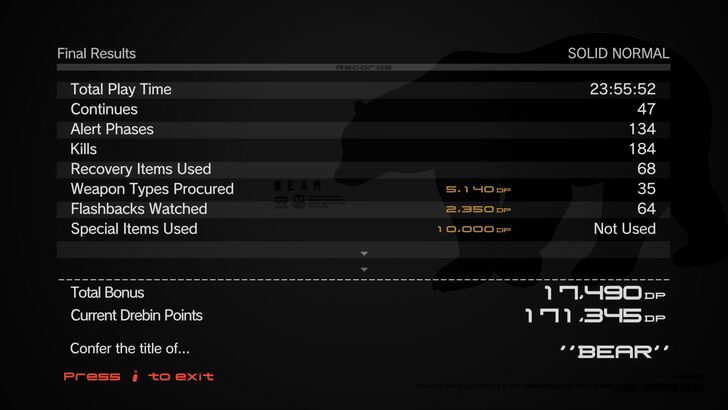
Whether you buy Metal Gear Solid 4: Guns of the Patriots individually or as part of Master Collection Vol. 2, the consensus is mostly the same: it’s entirely worth it if you’re a Metal Gear Solid fan. Whether you’ve just finished the first Master Collection or been around for the franchise since 1998, this is a must play for series fans. That’s especially true if, like most people, you haven’t had access to a PlayStation 3 in a while and never played it. If you’re a newcomer, though, it’s ultimately best to stay away from Guns of the Patriots for now.
Most other games in the series, whether it’s the first three Metal Gear Solid games or Peace Walker, which also comes as part of Master Collection Vol. 2, serve as much better entry points and are easily accessible on modern platforms. It’s worth noting that once you do understand Metal Gear Solid, this game is entirely essential. It is the conclusion the series needed and deserved, and now it finally runs as well as it plays.
Do I need to play the first three Metal Gear Solid games to understand Metal Gear Solid 4?
Yes, absolutely. MGS 4 assumes that you are aware of the events of the first three games and uses that knowledge as a core part of its story. It serves as the finale of the series, and it’s better to finish those three games first before playing Guns of the Patriots.
Can I purchase Metal Gear Solid 4: Guns of the Patriots separately?
Yes. While the game comes bundled in with the Metal Gear Solid: Master Collection Vol. 2 compilation, it is available as a separate purchase on digital storefronts. Buying the full compilation also gets you Metal Gear Solid: Peace Walker as well as extra games like Metal Gear Solid: Ghost Babel.


Final Verdict
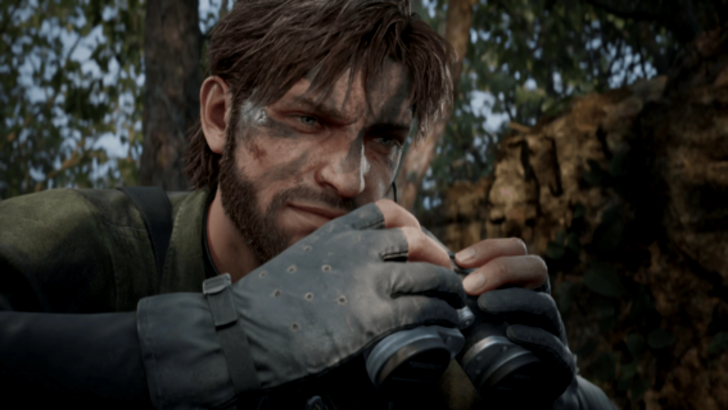
Metal Gear Solid: Master Collection Vol. 2 delivers a excellent experience with a score of 90/100.