
At a Glance
- Ubisoft is cutting 166 roles at its Montréal and Québec City studios — the two teams behind most Assassin’s Creed games.
- Each studio loses less than 4% of its workforce. Production and support roles are hit hardest, per GamesIndustry.biz.
- The company reported a €254.5 million net loss for the first half of FY2026-27. Net bookings fell 16.5% to €644.7 million.
- CFO Frédérick Duguet confirmed Assassin’s Creed Jade is still in development. However, mobile is now framed as a “medium and long-term opportunity.”
- Roughly 1,100 employees have left Ubisoft over the past two quarters.
Ubisoft is the French publisher behind Assassin’s Creed, Far Cry, and Rainbow Six. This week, it announced its largest single-studio cut of 2026. It also posted some of the worst financial numbers in its recent history. This report collects everything that was confirmed, in one place.
The Layoffs: 166 Roles at Montréal and Québec City
Ubisoft confirmed on November 19 that it is eliminating 166 positions across its Montréal and Québec City offices. Reporting from GamesIndustry.biz, first picked up by the outlet Vertical Slice, notes that production and support roles are affected most. Each studio loses fewer than 4% of its employees. That may sound small. However, both studios carry enormous history: Montréal created the first four Assassin’s Creed games plus Origins, Odyssey, and Valhalla. Meanwhile, Québec led Odyssey, Shadows, and Immortals Fenyx Rising.
The company issued a statement alongside the announcement:
“Ubisoft is reducing headcount by 166 positions across its Montréal and Québec City sites. As our portfolio evolves, our production needs are changing and require us to resize some of our teams to ensure resources align with our current production priorities and business needs. We deeply value the contributions of these teams and recognize the impact this may have on our colleagues.”
Affected employees will receive severance packages, extended medical benefits, and career transition services, according to the statement.
The Numbers Behind the Cuts
The layoffs landed one day before Ubisoft’s half-year financial report. In turn, the report explains a lot. Here are the key figures, per Insider Gaming’s coverage:
| Metric | H1 FY2026-27 | Change |
|---|---|---|
| Net bookings | €644.7M | -16.5% |
| Net loss (IFRS) | €254.5M | — |
| IFRS operating loss | €189.2M | vs €120.2M loss last year |
| Back-catalog net bookings | €438.8M | -40.8% |
| Digital net bookings | €548.2M | -20.1% |
| Player recurring investment | €316.6M | -33.4% |
The back-catalog collapse is the standout number. Older games normally carry a publisher through release droughts. However, Ubisoft’s catalogue revenue is shrinking fast, and digital spending fell alongside it. Free cash flow also turned negative at -€338.1 million. On top of that, the company settled €453 million in OCEANE bonds mid-November.
There was one bright spot. Q2 net bookings of €388.9 million beat the ~€370 million guidance. The main driver was Assassin’s Creed Black Flag Resynced, which Ubisoft says performed “beyond expectations.” Full-year targets still call for a high-single-digit decline. Beyond that, the company plans to restore positive free cash flow in FY2027-28, leaning on new Assassin’s Creed, Far Cry, and Ghost Recon entries.
2026 Has Been Brutal for Ubisoft Employees
The Montreal-Quebec cut is not an isolated event. Instead, it is one chapter in a year-long restructuring, tracked by our 2026 game layoffs tracker:
- June: 380 roles cut; Winnipeg and Belgrade studios closed.
- February: 40 roles cut at Ubisoft Toronto.
- October: one-sixth of staff cut across the German studios (Düsseldorf, Berlin, Mainz); RedLynx in Finland shut down (covered here).
- Earlier in the year: 105 roles at Red Storm, 55 at Massive/Stockholm, 29 in Abu Dhabi, 51 in Barcelona. The Halifax studio also closed outright.
- Singapore: roughly 70 roles cut in a separate round (covered here).
In total, Kotaku calculates that headcount has fallen by nearly 1,100 people over the past two quarters. As a result, Ubisoft developers have even staged strikes over the scale of the cuts.
Assassin’s Creed Jade Is Still Alive
Amid the cuts, one long-running question finally got an answer. During the earnings call, CFO Frédérick Duguet confirmed that Assassin’s Creed Jade — the long-delayed, China-set mobile entry — remains in development.
The project’s history has been rocky. For example: a closed beta ran in 2022, gameplay leaked in 2023, delays surfaced in 2024, and Ubisoft’s last public confirmation had come in its March 2026 “Assassin’s Creed: Into 2026” blog. Duguet now describes mobile as “a medium and long-term opportunity.” Still, he was equally clear about priorities:
“From a long-term financial return perspective, and for capital allocation reasons, we prefer to invest our resources in bigger opportunities. Console and PC remain the core focus for our biggest IPs, with PC more dynamic than ever.”
In other words: Jade lives, however, it is not where the money is going. The Assassin’s Creed IP now sits under Vantage Studios, the joint venture Ubisoft formed with Tencent last year.
The Restructure: Merged Creative Houses and an AI Studio
Alongside the financials, Ubisoft detailed its new operating structure:
- Creative House 3 and Creative House 5 have merged under Julien Bares. The goal is unifying live-service games across platforms.
- In September, 2K and Amazon Games veteran Christoph Hartmann took over Creative House 2 — home of The Division, Ghost Recon, and Splinter Cell. The group was renamed Massive Entertainment.
- An external general manager joins Creative House 4 in January 2027.
- The Motherbrain generative AI project — the team behind the “Teammates” prototype — has been spun out into a standalone subsidiary. It is building AI game masters and memory-driven NPCs.
“A Very Big Pipeline” — and the Games Behind the Claim
CEO Yves Guillemot addressed the future on the earnings call. “We have a very big pipeline of productions including Assassin’s Creed, Ghost Action, Far Cry, and more,” he said. The pipeline, as it stands:
- Rayman Legends Retold — releasing December 2026.
- Rainbow Six Tactics — due next year.
- Heroes of Might and Magic III remaster — due next year.
- Unannounced Assassin’s Creed entries in development.
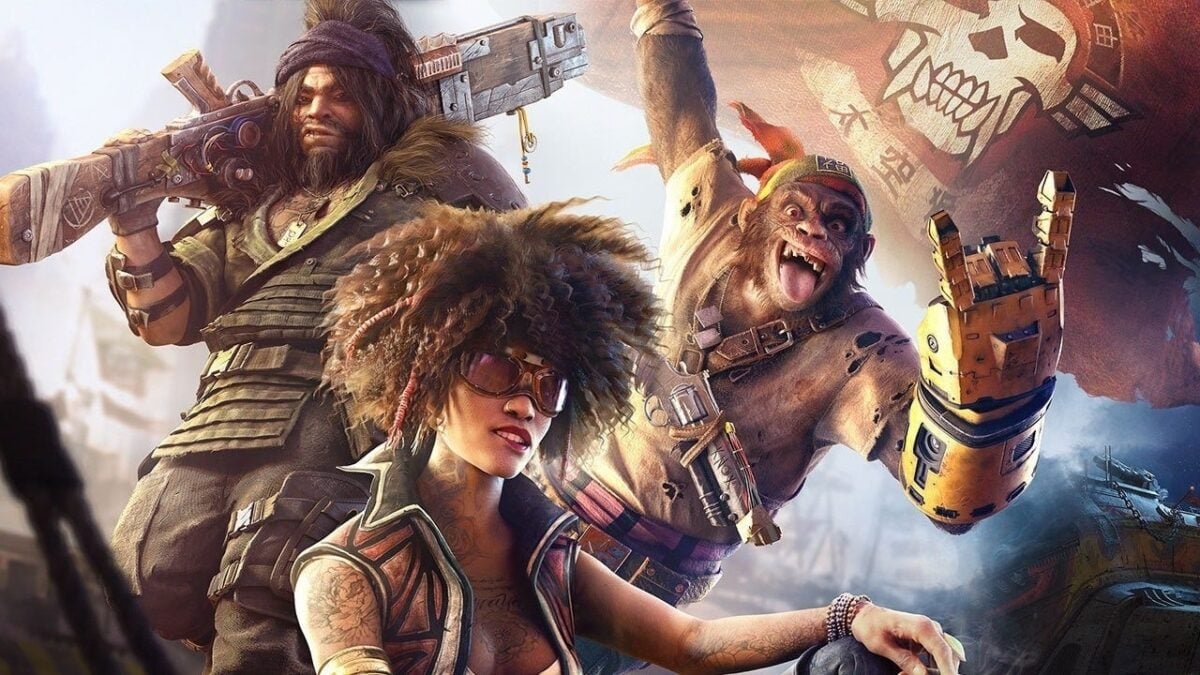
- Beyond Good & Evil 2 — now roughly two decades in development, still without a release date.
Ubisoft is also reportedly bidding to acquire Arkane, the studio Microsoft is looking to offload. In addition, Guillemot teased two “targeted premium titles” for Q4 without naming them.
What This Means
This is our read of the reporting, not a fact claim — every figure above traces back to the sources below.
The cuts and the financials are two sides of the same story. Ubisoft is spending heavily on a 2027-28 recovery built on Assassin’s Creed, Far Cry, and Ghost Recon. Meanwhile, its current catalogue revenue is cratering. The 166 roles at Montréal and Québec City are the cost of holding that line.
The strategy is consolidation, not retreat. Merged Creative Houses, a Tencent joint venture, and an AI subsidiary all point the same way: fewer, larger bets, and automation where possible. That said, whether “a very big pipeline” translates into shipped games is the open question. After all, Beyond Good & Evil 2’s two-decade development argues for caution.
For players, the near-term picture is stable. Black Flag Resynced overperformed, Rainbow Six Siege has momentum, and the biggest franchises have concrete release plans. The uncertainty sits with mid-size projects and mobile — exactly where Jade now waits.
Sources
Every fact in this report was verified against these outlets’ coverage of November 19-20, 2026:
- Wccftech — Ubisoft Montréal and Québec Lose 166 Roles
- Kotaku — Ubisoft Lays Off Over 150 More Developers With No Big Releases In Sight
- Insider Gaming — Ubisoft Reports €254.5 Million Loss, Net Bookings Fall
- Eurogamer — Ubisoft says Assassin’s Creed Jade is still alive as it merges two of its Creative Houses
- Insider Gaming — Ubisoft CFO Confirms Assassin’s Creed Jade Still in Development
For more industry coverage, see our 2026 game layoffs tracker.
Ubisoft logo image via Kotaku; all rights remain with their respective owners.
Back-catalog down 40.8% is the scariest number in this whole report. Ubisoft has been living off old Assassin's Creed and Far Cry sales for years, and that engine just stalled right before a spending-heavy pipeline.
Laying off 166 people at the exact studios that built the Assassin's Creed franchise, then promising a 'very big pipeline' in the same week, is a hard combination to sell. Those teams earned better than 4% cuts.
Good news buried in here: Assassin's Creed Jade actually still exists. I signed the 2022 NDA beta and always wondered if it went the way of the Haunted Blade leaks. Medium and long-term opportunity is corporate speak for later, but later is better than never.
The €254.5 million half-year loss with negative free cash flow makes the Tencent Vantage Studios structure look less like a partnership and more like a lifeline. Watch what happens to the unannounced Creed entries if FY2027-28 misses.