
At a Glance
- Director Zach Cregger (Barbarian, Weapons) entered the 2026 Resident Evil film expecting a “one and done” project.
- After finishing it, he told Polygon he “already has other ideas of what could happen.”
- His next film is already locked — and it is not Resident Evil, so a sequel will not arrive immediately.
- No sequel has been officially greenlit.
Zach Cregger directed the 2026 Resident Evil film, the latest screen take on Capcom’s long-running survival-horror series. In a new interview with Polygon’s Matt Patches, Cregger revealed that a sequel is now on his mind — even though that was never the plan.
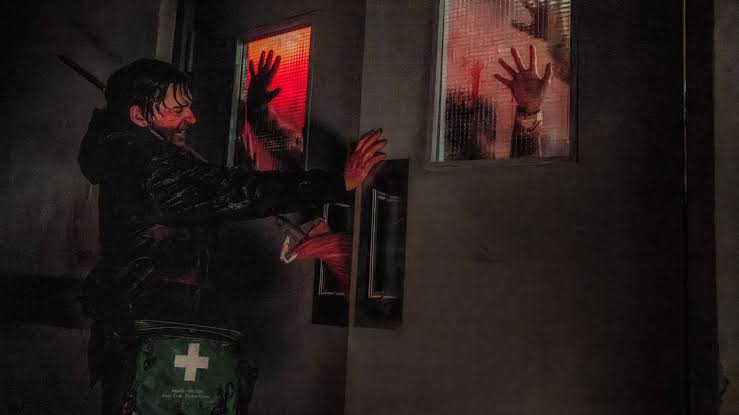
“I’ve already got other ideas of what could happen,” Cregger said, describing how his thinking shifted once the movie was in the can. The line is a notable reversal: he went in believing the film would be a self-contained, one-and-done story.
From “One and Done” to Open-Ended
Cregger built his reputation on twist-driven, anxiety-soaked genre work — Barbarian (2022) and Weapons made him one of the most talked-about horror directors of the decade. When he took the Resident Evil job, the appeal was a single, contained story rather than a franchise commitment.
That changed after he saw the finished film. Per Polygon, when asked whether he would want to launch a new Resident Evil trilogy, Cregger acknowledged that the world now has room to keep going, even if he originally intended to walk away.
The Catch: His Next Movie Is Elsewhere
Anyone hoping for a quick follow-up should temper expectations. Cregger confirmed his next feature is already set, and it is not a Resident Evil movie. That puts any sequel at least one project out — a gap that fits his methodical, film-by-film approach.
So while the director personally has “ideas,” nothing has been officially greenlit by the studio. The 2026 film stands on its own for now.
Why It Matters
Resident Evil has a long, uneven screen history, and a director with Cregger’s track record openly wanting to return is a stronger signal than most franchise teases. The bigger question is timing: a filmmaker who spaces out his work and keeps his next slot reserved means fans may wait a while before Racoon City calls again.
For more on how major 2026 releases are shaping the calendar, see our fall 2026 release calendar.
Cregger’s Rapid Ascent
Before Resident Evil, Zach Cregger was best known as a comedian — a founding member of the New York sketch group The Whitest Kids U’ Know. His pivot to horror was sudden and, to many, improbable. Barbarian (2022) arrived with almost no marketing footprint and became a word-of-mouth phenomenon, the kind of film studios now chase but rarely catch. Weapons, his follow-up, extended the same playbook: slow-build dread, a structure that withholds its central mystery, and a willingness to let discomfort sit in the frame.
That track record is exactly why his name on a Resident Evil film reads differently than most franchise attachments. Studios routinely attach a “hot” director to a known property; far fewer attach one whose last two films were original, actor-light, location-bound exercises in tension. Cregger is not a safe pair of hands. He is a risk hire — and risk hires are the ones that either redefine a series or quietly disappear from it.
A Franchise With a Complicated Screen Past
Resident Evil has never quite worked as a film franchise the way it works as a game. The Paul W.S. Anderson series that began in 2002 anchored the brand to Milla Jovovich’s Alice, an original character who drifted further from the source material with every installment. Those films made money and built a devoted cult, but they are not the reason the name still carries weight in 2026.
The 2021 attempt to reset the brand, Resident Evil: Welcome to Raccoon City, stayed closer to the games’ mythology and was greeted with a shrug by audiences and critics alike. The lesson the industry took from that miss was not that Resident Evil cannot work on screen — it was that a faithful retelling alone is not enough. A director with a point of view, not just a license, is what the property has been missing.
How Much Weight a “Maybe” Carries
Cregger saying he “already has other ideas” is, on its face, a soft signal. Directors talk. Projects get pitched. Most of it never survives contact with a release calendar. But the context matters. This is a filmmaker who did not want a franchise, finished the movie, and then found the world still pulling at him. That is a different emotional register than the standard press-cycle tease.
The caveat remains real: his next slot is spoken for, and it is not Resident Evil. A sequel, if it happens, sits at minimum one film away — and Cregger’s pace is not fast. For a studio, “the director has ideas” is a green light waiting for a window. For fans, it is a reason to keep the 2026 film’s ending — whatever it sets up — under a microscope.
Cregger was the right swing after Welcome to Raccoon City flopped. Barbarian proved he understands dread, and that is exactly what a Resident Evil film needs on screen.
If the 2026 movie sets up a sequel the way the games set up theirs, I am all in. Horror fans have waited long enough for a faithful adaptation.