
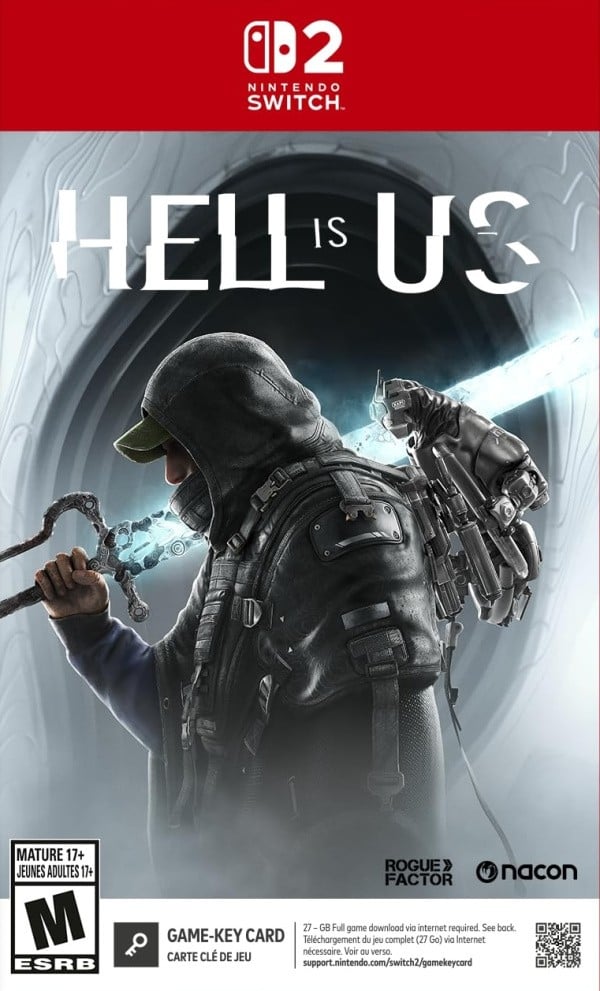
Rogue Factor’s Hell Is Us arrived on Nintendo Switch 2 on October 8, 2026 ($59.99 / £49.99, published by Nacon), roughly a year after its debut elsewhere, and Nintendo Life’s full review lands squarely in the loudest argument in gaming right now. Scoring the port 7/10 (“Good”), reviewer Ryan Gaur calls it thought-provoking, admirable, and frustrating in roughly equal measure — a game whose design is the message, for better and worse.
Dropping Into the AAA Design Debate
For the past month, discourse around big-budget game design has been dominated by complaints about claustrophobically linear games that spoon-feed progression — yellow paint on every climbable ledge, glowing trails pointing to the next objective, quest logs that play the game for you. Insomniac’s Wolverine became the lightning rod for that frustration. Hell Is Us is the philosophical opposite: a game that asks you to trust your instincts, accept being lost, and find your own way through a country that is actively falling apart. Gaur argues the bet mostly pays off — with asterisks big enough to drive a tank through.
Hadea: A War-Torn Country With No Mini-Map
Hell Is Us is set in Hadea, an alternate-1990s nation being torn apart by a deeply destructive war between ethnic sects called the Palomists and the Sabinians. On top of the man-made catastrophe, ghoulish monsters stalk the ruins, adding supernatural trauma to an already bleak picture. You play as Remì, navigating branching paths and large open areas with almost none of the genre’s usual signposting: no detailed map, no objective markers, no color-coded hints about which items matter.
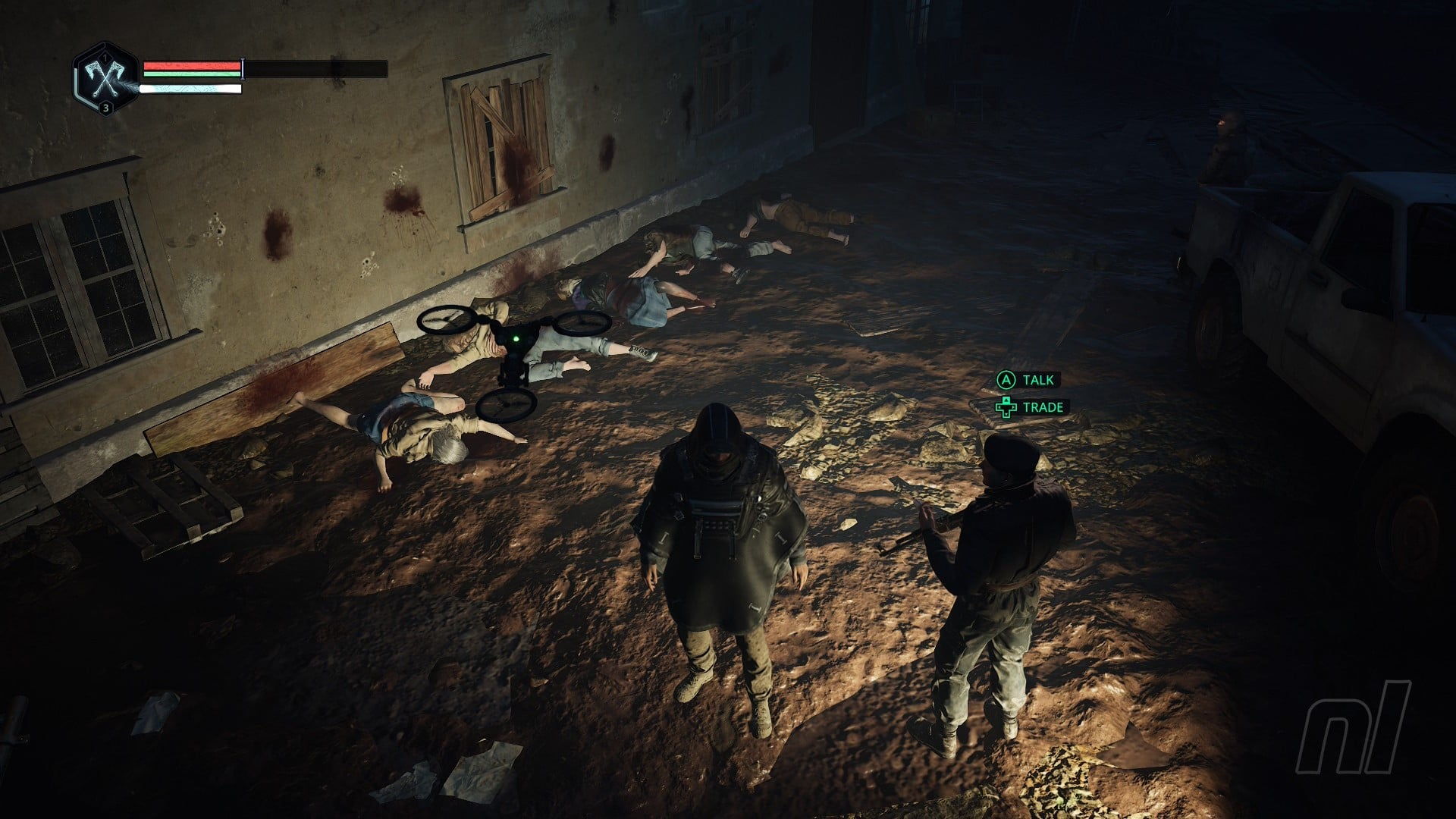
For players who treat “getting lost” as a feature, not a bug, the game delivers exactly the rush you’d hope for. Gaur describes stretches where he was genuinely stuck, hacked through enemies until the ground rumbled and a new path cracked open, or stared at an indecipherable puzzle for an hour only to find the solving item later and feel clever for the connection. Those “aha” moments are what the design is chasing, and when they land, they land hard.
But the same design cuts the other way. Without a detailed map, dungeons become mazes of identical-looking entrances; you forget which door you came through five rooms ago. Most of the time you’re reduced to whipping out Remì’s compass and mentally noting a heading — a system that works right up until you chase a trail of enemies or loot and lose the thread entirely. Landmarks help in theory; in practice, the Switch 2 port’s poor draw distance can make your carefully chosen landmark vanish, leaving you scrambling in circles for five minutes until it pops back into existence.
NPC clarity is another sore point. When someone matters, talking to them opens a separate interrogation screen full of clues about your task and Hadea’s history. Gaur tried to speak to everyone and ask every question — and still missed, hours earlier, the one NPC who quietly held an important item. There is no quest log to cross-check, no icon over anyone’s head. Being lost, the game insists, is part of being alive.
The Brutality That Gives the Title Its Meaning
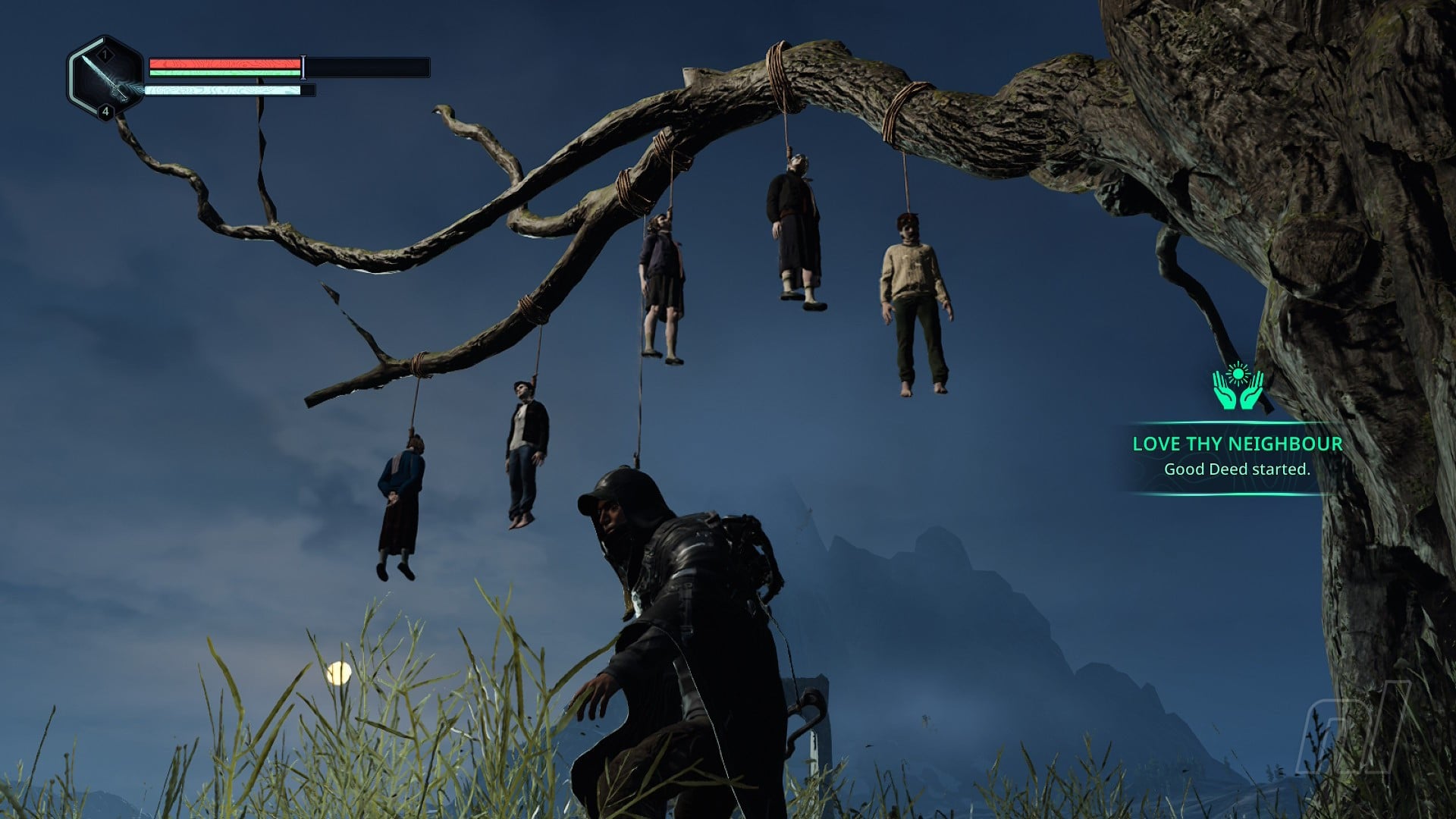
What makes returning to the Switch 2 each session genuinely difficult is not the navigation — it’s the world. Hell Is Us does not shy from the horrors of war, and the most disturbing things in it are man-made atrocities, which is exactly what the title is pointing at. Gaur recounts ditches filled with bodies, dead animals, and the aftermath of mass lynchings. It’s deeply effective storytelling that grabs you around the throat, and picking the console back up isn’t always easy.
That grind is intentional. Hell Is Us is a commentary on the evil people are capable of, and it refuses to let you hide from the imagery — or from a map that would make life easier. Its well-executed vision didn’t erase Gaur’s moment-to-moment frustration, but it did make him understand it. That’s a rare trick for a game to pull.
Combat, Upgrades, and the FromSoft Shadow
Combat owes a clear debt to FromSoftware: slower, more considered swings that punish button mashing. Again, no easy way out. The twist is the weapon upgrade system, which Gaur calls genuinely awesome. Infuse blades with effects — he fused his sword with the power of fear itself — and suddenly you can mash occasionally, easing the pressure of encounters. Instead of dreading enemies, he found himself hunting them to test new builds. Never underestimate the power of a cool sword.
The Switch 2 Port: Under-Optimized
Visually, Hell Is Us looks like a grounded, typical AAA production — slightly uncanny-valley faces and a flat palette that dips into “Xbox 360 sludge” at its worst. Its best moments live in interiors with striking lighting, and in memories and supernatural set-pieces that offer reprieve from wandering uninspired forests.
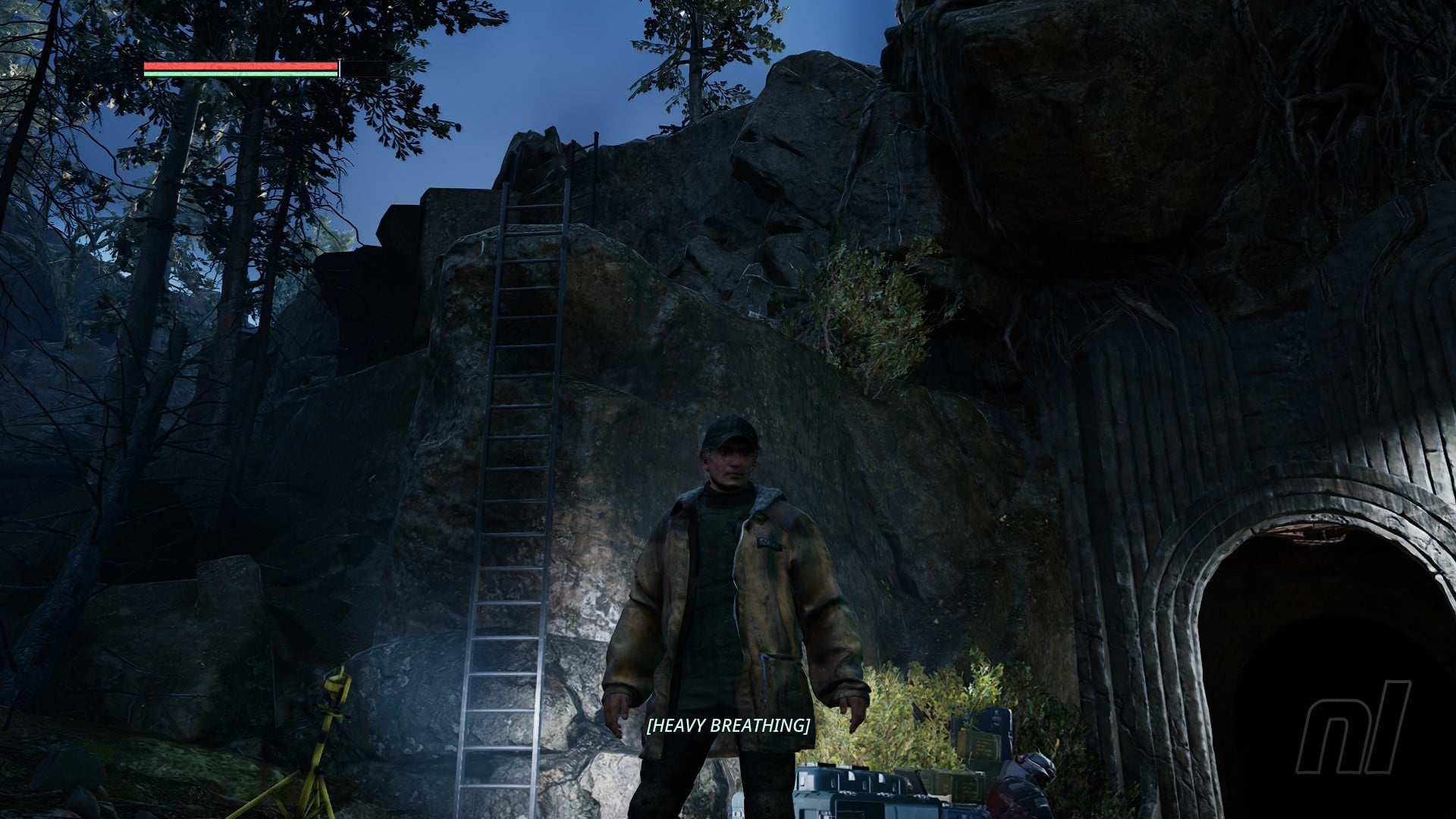
On Switch 2 specifically, it feels under-optimized. Pop-in pairs with regular frame drops, Gaur hit a ladder bug that left Remì grounded and helpless while still able to run, and the game crashed outright to the Switch 2 home screen. The port previously saw its launch shift away from a congested September window; Gaur says that time in the oven should have lasted longer.
Verdict: 7/10, and Worth Your Thought
Nintendo Life’s conclusion is a clean summary of the game’s tension: Hell Is Us deconstructs the AAA formula to give players agency instead of hand-holding, and through its brutal, war-torn world it comments on the nature of humanity. Its design can also make for a genuinely frustrating experience — especially when paired with unflattering pop-in and slowdown.
Pros: fun combat system, heavy and effective worldbuilding, smart commentary delivered through design itself. Cons: pop-in and slowdown, pointer-free navigation that tips into irritation, an uninspiring art style.
It ships as a Switch 2 Game-Key Card at $59.99 / £49.99, and patient buyers can note that the game has frequently gone on deep sale on other platforms. If you have limited free time and a large backlog, the lack of direction may be a dealbreaker; if you’ve been begging AAA games to stop playing themselves for you, Hell Is Us is one of the few recent titles actually willing to take that request seriously — scars and all.
Source: Nintendo Life — Hell Is Us Review (Switch 2) by Ryan Gaur. Screenshots courtesy of the same review, captured on Nintendo Switch 2.
Frustrating by design is a fair verdict. The no-marker approach is bold, but I spent twenty minutes walking in circles more than once.
Runs better on Switch 2 than I expected. The hand-held mode is genuinely the best way to play it if you can tolerate the combat.